92648

Scientists Find Oldest Human Brain in Britain - Preserved

They are still not sure why the conditions were able to preserve the brain, and it was found somewhat by accident and none of the other tissue survived.  2000 years is a long time.  BD 

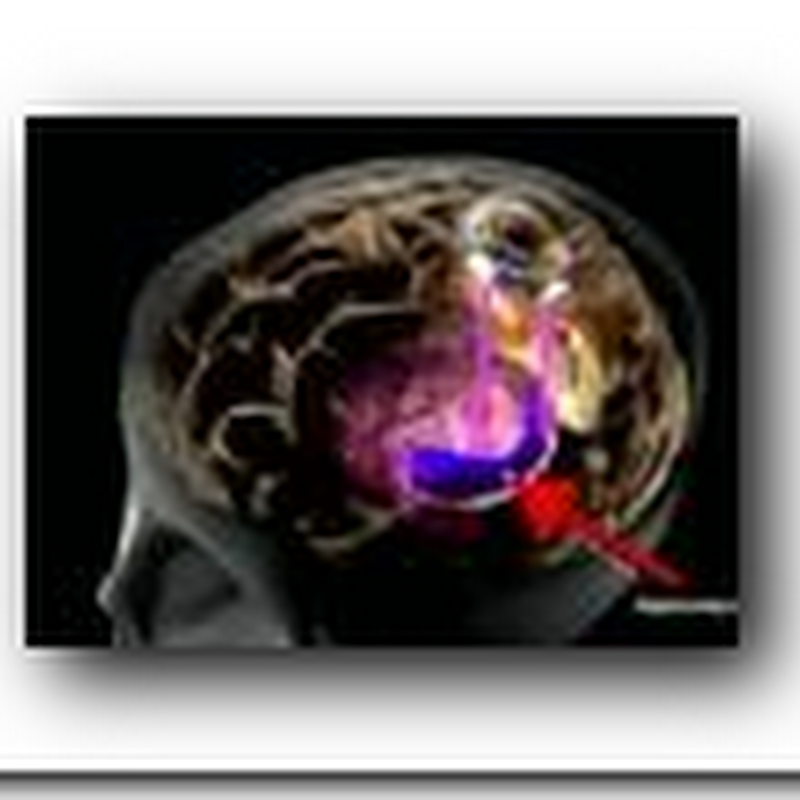
Archaeologists have found what they say is the oldest brain ever discovered in Britain, or at least the shriveled remnant of one, imagein a decapitated skull that dates back more than 2,000 years. Inside the skull, the scientists found "a yellow substance which scans showed to be shrunken, but brain-shaped," according to a University of York statement. "I'm amazed and excited that scanning has shown structures which appear to be unequivocally of brain origin," said Philip Duffy, a neurologist at York Hospital who scanned the skull.

Here's how the noggin was first noticed: York Archaeological Trust dig team member Rachel Cubitt reached in and, while she cleaned the soil-covered skull's outer surface, "she felt something move inside the cranium. Peering through the base of the skull, she spotted an unusual yellow substance."

"The survival of brain remains where no other soft tissues are preserved is extremely rare," said Sonia O'Connor, research fellow in archaeological sciences at the University of Bradford. "This brain is particularly exciting because it is very well preserved, even though it is the oldest recorded find of this type in the U.K., and one of the earliest worldwide."

FOXNews.com - Scientists Find Oldest Human Brain in Britain - Science News | Science & Technology | Technology News

Intel The Car Company – Could Happen and Perhaps a Good Idea as there’s a lot more to this story and technology

This makes perfect sense as Intel is already involved in other automobile projects, the autonomous car for one.  If you have read this blog, I have featured some really neat stories about this.  Get the drunks off the road and let the car drive you home.  Think this is is too futuristic, maybe not so.  Would certainly serve to keep many out of the ER room. 

The Urban Challenge is conducted by DARPA and those are in development.  You can read more here.  Combine an electric car technology along with one that drives itself and that can make for a real sweet deal.  Intel has the talent to write the algorithms to make this happen.

The technology on the car is nothing more than 2 quad core servers that you can buy off the shelf.  So the idea of combining battery operated car with the autonomy is outstanding.  The Intel Car was built at Stanford University and names “Junior”.  I used to do some training for Intel, thus I tend to sometimes follow some of these events.  Check out the related reading section for videos and more information on how the the car bots work, fascinating.  Last November when the event was held, someone projected that the car that drives itself could be around 5 years away, and that’s really not that far and who knows if that time projection could have moved up a bit too with the rapid pace of technology today.  The car bots could test your alcohol level and not let you drive, in that case, turn on the software and put the car to work with it’s new batter power. 

Intel has also been in the news of late with their new home monitoring device, so their commitment to healthcare is right up there.

Does Intel know about medical errors, well first hand Betty Moore, wife of Intel Co-Founder Gordon Moore was the victim of medical errors herself while in the hospital.  This lead to a big contribution lf 100 million to establish  a Nursing School in northern California. 

The co-founder of Intel and his wife are giving $100 million to the University of California, Davis to establish a nursing school.
The gift from the Gordon and Betty Moore Foundation is the largest donation ever to the university and is believed to be the largest gift in the nation for nursing education.
The money will be donated over 11 years and will go to create the school at the UC Davis Medical Center in Sacramento.
Gordon Moore is co-founder and chairman emeritus of Intel, the Santa Clara-based chip maker.  He is best known for "Moore's Law," his 1965 prediction that the number of transistors on a chip should double about every two years.
Ken Moore, the couple's son, said the donation grew out of his mother's own poor care during a hospital stay.
A nurse gave her a shot of insulin that was supposed to go to the patient in the next bed.
"They nearly had two deaths out of one medical error. That was the start of her really being interested in nursing care," Ken Moore said.

Betty Moore received insulin shots that were for the patient in the next bed and it came close to resulting in 2 possible deaths.  BD 

Chip giant Intel (INTC) has had a rough fall, warning that business is getting much worse as the PC market slows. So how to juice growth? One idea: Start developing batteries for plug-in electric cars. That's what former Intel Chairman Andrew Grove thinks the company should do, at least, according to the WSJ. WSJ: Former Intel Corp. chairman Andrew Grove is pushing the world's biggest maker of microprocessors to consider a new venture -- becoming a manufacturer of advanced batteries for plug-in electric cars.

Intel, The Car Company (INTC)

Related Reading:

The Autonomous Car…Car Bots Will Save Lives

DARPA spotlighting the Cars that Drive themselves...

GM's Boss Wins DARPA Urban Challenge - Intel 2nd place

Darpa Site Event: Update, start your Processors...

Intel · The Dreaded Merge Test: The DARPA Urban Challenge

DARPA's robotic arm and driverless vehicles...

IHI SHARES ACHIEVEMENTS OF THE 5 MILLION LIVES CAMPAIGN

Peter Neupert, Corporate Vice President, Health Solutions Group, Microsoft and 4 Others Join the Foundation for NIH

Recently I have included quite a few posts about Microsoft HealthVault, mentioning Peter Neupert from Microsoft and can be found under the related reading section below.  The foundation’s purpose is to support biomedical research by bringing together private industry to help NIH’s ability to fulfill its mandates through increased resources and contributions.  You can visit the site and make a contribution as well. 

More about the partnerships with the FNIH can be found here.  With the foundation established, this opens more doors for contributions dedicated to science research that can eventually be brought to the clinical side of healthcare.  I am glad we have someone included who can offer support with algorithms and software as well as bring some real value to the foundation as well.  BD 

FNIH is authorized to solicit and receive funds to support public-private partnerships.

“Research partnerships are biomedical research projects bringing the public sector and the private sector (corporations, private foundations, associations, academia, individual philanthropists, and the general public) together to solve a common goal and to accelerate medical research that might not otherwise be undertaken.  In this role, the Foundation for NIH assists in providing scientific and technological resources required for solving persistent health challenges; helping support scientists to find novel approaches in disease prevention, diagnosis and treatment.”

BETHESDA, Md., Dec 11, 2008 -- The Foundation for the National Institutes of Health (FNIH) announced today the addition of five distinguished directors to its Board of Directors. These appointments were effective as of November 12, 2008. image

New board directors include: Dr. Joseph Feczko, Senior Vice President, Chief Medical Officer, Pfizer Inc.; Peter Neupert, Corporate Vice President, Health Solutions Group, Microsoft Corp.; Kurt L. Schmoke, Dean, Howard University School of Law; Dr. Samuel O. Thier, Professor Emeritus, Medicine and Health Care Policy at Harvard Medical School, Massachusetts General Hospital; and Anne Wojcicki, Co-Founder of 23andMe. Additional information on the newly appointed directors is available at www.fnih.org.

"We are very pleased to announce the election of these five new directors to the Foundation's Board," commented Dr. Charles Sanders, Chairman of the Board of the Foundation for NIH. "With each one comes extensive expertise, new perspectives and the expectation that they will further strengthen the Board as the foundation advances the important mission of the NIH."

About The Foundation for the NIH

The Foundation for the National Institutes of Health was established by the United States Congress to support the mission of the National Institutes of Health (NIH): improving health through scientific discovery. The foundation is transforming the way biomedical research is initiated, supported and conducted, and blazing the trail for a new era of discovery through innovative public-private collaborations. The foundation provides expertise, experience and an integrated infrastructure for creating new biomedical research and training initiatives across multiple disciplines in support of the mission and causes of NIH. It brings together industry, academia and the philanthropic community to collaborate, leverage resources and create unique opportunities to accelerate the pace of scientific discovery and biomedical research that may translate into successful healthcare solutions.

The Foundation for NIH is a nonprofit, 501(c) (3), corporation that actively seeks funding partners for a broad portfolio of groundbreaking programs and projects in support of biomedical research.

From the Website:

The mission of the Foundation for NIH is to foster public health through scientific discovery, translational research, and the dissemination of research results through specially-configured, high-impact public-private partnerships consistent with the priorities of the National Institutes of Health (NIH).

The foundation is not only involved in large, ambitious initiatives with potentially high impact on the lives of millions of the world’s citizens, but it also supports smaller focused programs in clinical training and ancillary support programs.

The foundation helps to underwrite biomedical initiatives that might not be attractive for private funding alone, or for one reason or another are not appropriate for wholly public funding. The foundation may take on projects that are particularly risky in terms of the likelihood of success or where companies may be willing to forgo profits because of early stage nature of the program or in the case of some global health initiatives due to the charitable nature of the project.
The foundation's projects tend to be longer-term, operating on a time scale that can be unattractive for private investors. At the same time the foundation is capable of responding quickly and nimbly to funding needs that are immediate and pressing.

With the goals of NIH as its guide, the foundation serves both the public and private sectors, helping them achieve significant breakthroughs in human health in areas of interest that overlap with those of NIH.

Related Reading:

Department of Defense Launches Personal Health Record Pilot – MiCare to Integrate with Google Health and HealthVault

Aetna and Microsoft join forces – Members will now be able to transfer health records to Microsoft Health Vault

Kaiser Permanente and Microsoft Empower Consumers to Take Charge of Their Health Pilot program will allow voluntary data exchange from Kaiser Permanente’s market-leading personal health record to Microsoft® HealthVault™

HealthMedia Self-Help Web Interventions Connect with Microsoft HealthVault

HealthVault Be Well Recipients Named…

Biotech Firms Head to Congress for Help – We Need Money for Biotech too

Venture Capitalists to Play Critical Role in Personalized Medicine

Paramedics Accused of Molesting Patient – New Technology can help monitor activities

You know that is the last place you want a sex predator lurking around, but they are everywhere in society.  Some states do not allow imageconvicted sex predators to work in this area, which is probably a good idea.

With telemedicine though picking up, it won’t be long before all of the activity in the back of the van will be recorded or viewed live by some at a hospital and that will probably bring this issue, or at least most of it to a halt as it will all be recorded.  I was talking to a union steward the other day that drives for one of the major oil companies, delivering gas, and he told me the tanker trucks have had cameras mounted and running in the cabs of the trucks now for a few years, so when you take the job, the cameras are rolling.  So we are just a bit behind in that area here, but catching up quick.  

Also, look at police cars that tape and record incidents, so it’s only a natural for ambulances to have some type of recording devices.  Many are already equipped with Tablet PCs, and other devices that send the patient vitals to the hospital.  BD 

DALLAS (AP) - They answer the call 24-7, often risking their own safety to rescue the sick and injured and rush them to the hospital. But some paramedics have been more predator than hero. Over the past 18 months, at least 129 ambulance attendants across the U.S. have been accused of sex-related crimes on duty or off, an investigation by The Associated Press found. Some of them molested patients in the back of an ambulance.

ABC News: Ambulance Attendants Accused of Molesting Patients

Related Reading:

Technology helping to save lives - Paramedics use touch screen tablets in the UK

Chapter 2 - Are you still just using your Cell Phone for phone calls - Paramedics and Cardiologists work with wireless technology -saving lives

Software Industry Wants Wider Role in U.S. Policy – Healthcare At the Top of the List

This would absolutely be one move for the better, people that understand algorithms and software.  Note the mention below on the initiatives that reference Google and Microsoft.  I also agree that there needs to be both open source and proprietary software throughout, mixed and combined as needed. 

“Microsoft (NASDAQ: MSFT) and Google (NASDAQ: GOOG) have both launched initiatives aimed at digitizing health records so that a doctor could instantly call up the file of a new patient.”

It sounds like Personal Health Records to me, the PHR from Google Health and Microsoft. 

We have been living so long without leaders that comprehend the importance of moving forward, look at several government agencies to see the state they are in today, falling behind the technology curve and the time is now for catch up.  I go back to having individuals with “hands on” experience, rather than just being a figure head who has to rely on staff for everything.  Sure you need staff to help, but knowing the basics of how software technology is built and the architecture is needed today.  Some experts stated part of the delay in healthcare is the fact that physicians wanted to maintain the current system at status quo.  Sure there’s a big part of that thought process along with the expense of electronic medical records too.

Just blogging here, I’m having a hard time getting much conversation and enthusiasm going for the 2 PHR systems, in other words getting readings, consumers and physicians to just take a few minutes out and sign up for one, as you can always delete it and use one as a sample account to learn and self educate, but at least practice with one so you can see the power and information exchange they have to offer, with vendors populating most of the data, so it is credible.  “Hands on at the top and hands on at the bottom” is needed. 

WASHINGTON -- As the U.S. struggles to rebuild a broken economy and address the myriad other challenges it faces, the software industry is calling for lawmakers to place IT's needs at center stage. The Business Software Alliance (BSA) today unveiled a policy agenda recommending that the incoming Obama administration bring a technology perspective to every key issue on the horizon in 2009 -- ranging from immigration and education to healthcare. "What we've encouraged the president-elect to do, is that when we're dealing with every major issue -- regarding employment, regarding education, regarding the environment, regarding healthcare -- there should be a question [about] what is the role of IT in helping us address those solutions," BSA President and CEO Robert Holleyman said today at the group's Washington office.

The announcement from the BSA, whose members include companies like Microsoft, Apple and Hewlett-Packard, comes at a time when companies and advocacy groups in all industries are lining up policy agendas in anticipation of a new administration and Congress.

Part of the BSA's agenda calls on the government to include provisions for telemedicine and online medical records as it considers healthcare reform. Microsoft (NASDAQ: MSFT) and Google (NASDAQ: GOOG) have both launched initiatives aimed at digitizing health records so that a doctor could instantly call up the file of a new patient. With e-healthcare, as with the rest of its agenda, the BSA is asking the government to remain open to using both proprietary and open source software models.

InternetNews Realtime IT News - Software Industry Wants Wider Role in U.S. Policy

Biomedical Electronic Measurements Class at Duke Taught with Tablet PCs

Everyone who has been around this blog long enough knows that I am one big tablet pc fan, why, because it makes life easier for me.  Some folks refer to me as the “tablet pc heathen”, but that is ok as I have adjusted.  Usually those individuals have never experienced using a Tablet PC and are those who don’t like new technology for the most part anyway.

The technology for the Tablet PC was created out of Microsoft’s Office in China several years ago.  One other advantage too is that I can walk and work without looking for a table to set the unit down or work with it on my lap, just like a clipboard would do.  I would also think that they would be a great tool for writing out chemistry formulas too. 

They like them at Harvard too.

The Teaching Fellows for Computer Science 50 at Harvard Given Free Tablet PCs


You can find all kinds of information on Tablet PCs and software on the blog in the tablet pc section.  This is the one I use and sell from Tablet Kiosk.  Goes with me everywhere, take notes, etc. as I got very tired of flipping a lid on a notebook years ago, and this unit has touch as well as inking and runs great with either Dragon Naturally Speaking or Vista Dictation, with no headset required in a quiet area.   Why folks continue to work with paper notes and flip lids on notebooks is beyond me when there are better solutions available that are not as much work!  BD 

Dr. Malkin participated in a year-long faculty fellowship organized by Dr. Lisa Huettel to experiment with using Tablet PCs in teaching. He taught his BME 154 (Biomedical Electronic Measurements) course using PowerPoint with blank slides that he wrote on using a tablet PC during his lectures. He then provided complete copies of the notes to download after the lecture. He found that most of the students continued to take notes as they always have done, and the use of the tablet PC improved both student learning and his teaching.

image

In surveys, students preferred that he use the tablet PC to present his materials.

“I am convinced that the advantages of using the tablet laptop to deliver lectures outweighs the disadvantages. I will only be delivering lecture-based classes using the tablets.

I am also convinced that giving students the ability to submit work from their tablets is also valuable. However, for the moment, this will not impact my teaching because the mechanics of doing so are too cumbersome.”

CIT: Project Examples » Blog Archive » Tablet PC Faculty Fellowship: Bob Malkin

Related Reading:

Technology “It’s for Those Guys Over There” said the CEO – I Don’t Do Digital Notes

Man-powered laptop charger prototype complete

i440D Sahara Tablet PC – 10 Hour Battery now available…

Bringing Providers, Health Care Executives and Administrators into the 21st Century

Microsoft's Mundie gives campuses peek at Tech's future – Tablet PC

Medicine is a Low Tech Business - Clinical Studies still done on paper too!
Microsoft Speech Recognition Presentation - Computer Friends at the Oasis - Newport Beach, CA

Tablet PCs on CSI – New York – Classic Post Revisited

Duke University -Learning Science with Team-Based Learning and a Tablet PC

TabletKiosk has new onscreen keyboards for the Sahara and EO UMPCs

Tablet PC Software - TEO 3.0 Is Now Free for Outlook

i440D Sahara Tablet PC – 10 Hour Battery now available…

Tablet PC 101 #15: Take notes at conferences

Amish Genomics Study – Potential New Territory for cholesterol drug development

Amish Country is probably the last place one would think of genomic R and D activity, but not so.  Here’s a post from July of 2008.  The original study focused on locating deadly genetic diseases, but out of the study came a mutation that could lead to development of new types of medications to lower cholesterol if the new drugs could mimic the effect of this mutation which could lead to potential alternatives to statins down the road. 

Those with the mutation produced half the normal amount of apoC-III and had the lowest blood triglyceride levels - seemingly because they could break down more fat.  What is fascinating too is that they have been able to track the origin of the gene back to the 1700s and the chances of the rest of us having this gene are pretty slim.  BD 

Opting Out – Mennonites and Amish Face rising hospital bills

Good story from the Wall Street Journal showing how the communities are now welcoming health care assistance, but on the other hand, what is the impact on the community.  Community members don’t have a problem paying bills, but they want a fair bill that is reasonable.  Watch the story from the video for the full details. 

Now they have genetics research going on within the communities to help save their children who have high rates of some rare genetic diseases.  It is far fetched to even think the communities would travel abroad for help.  Dr. Morton has moved in to the community to help.  THEY HAVE GENE SEQUENCING MACHINES! 

A gene mutation which protects the heart against a high-fat diet has been found in the Amish population. Researchers found 5% of the US Amish population in Lancaster, Pennsylvania have a mutation in a protein which breaks down fatty particles. Those with the mutation had higher levels of "good" HDL-cholesterol and lower levels of "bad" LDL-cholesterol, the journal Science reported.

They found a mutation in the APOC3 gene, which encodes a protein - apoC-III - that inhibits the breakdown of triglycerides.

The researchers believe the mutation was first introduced into the Amish community in Lancaster County by a person who was born in the mid-1700s.

It appears to be rare or absent in the general population.

BBC NEWS | Health | Amish gene 'limits heart disease

Healionics Gets Angel Group Funding – Coatings for Implanted Medical Devices

This is a very interesting biotech company that is creating a solution for implanted medical devices and catheter related infection.  With the coatings provided by Healionics, there will be a much greater chance of the body not rejecting an implanted medical device that has been treated with the biomaterial.

The business model is also very intelligent, as they make no product for sale on it’s own, but rather collect the royalties from device manufacturers who use it, sounds just like software.  No surprise perhaps as the CEO is a nine year veteran from Microsoft, somewhat similar business models here in with a biotech company.  image The National Science Foundation is also equally impressed with the developing technology as well.  BD 

Redmond, Washington -- Biotechnology company Healionics said that it has secured $2.6 million in its first round of venture financing. Healionics provides "biomaterial solutions to research institutions and medical device manufacturers." Investors in the round included Alliance of Angels, Bellingham Angels, Keiretsu Forum Seattle and others. The company said it would use the funding proceeds to continue development of its products.

The technology of Healionics began as a Ph.D. research project in Ratner’s lab around 2000. Every year, says Ratner, some 50,000 people in the U.S. die from catheter-related infections, and more broadly there are about 325,000 complaints about biocompatibility of medical devices. When a foreign object is inserted through the skin, the body’s natural defenses form a capsule of tissue around it or work to eject it, which wreaks havoc with any device’s operation and can cause infection. So Ratner and his student Andrew Marshall came up with a type of biomaterial that could be used to coat an implanted device and help it integrate better with the body’s tissues.

The company, led by CEO Robert Brown, a nine-year Microsoft veteran with an M.B.A. from UW, uses its porous-biomaterial technology to improve other companies’ medical devices, but doesn’t market any products of its own. As a result, it collects royalties on other companies’ sales without having to invest in expensive R&D or new clinical trials, so it can get by on smaller amounts of funding. Healionics has about 10 contracts with other companies, including TRBioSurgical, an Arizona-based biomaterials firm that is developing a glaucoma implant for veterinary use.

Healionics Gets Angel Group Funding Help

Lifeclinic International and Get Real Consulting Team-Up to Launch Microsoft's HealthVault

One more partner setting up with Microsoft HealthVault for personal health records.  The software partner, Get Real Consulting specializes in helping vendors create software that will link and input information to the HealthVault.

“We can enable a broad spectrum of solutions one from one-way data transfer to bi-directional synchronization. By interoperating with HealthVault, our clients have a bridge to numerous other health information systems.
We are able to implement Health IT standards-based solutions such as Continuity of Care Records (CCRs) and solutions based on data standards such as SNOMED CT.”

Lifeclinic personal health records will also connect to the HealthVault.  What is interesting with the development of the PHR, is that many of the existing portals and software projects on the market are now realizing the importance of connecting to a product that is secure and universally available from any internet connected computer, and have the availability to take records with you, in the case of some of the employer or other types of records that are typically just '”in house” and available only when one is a member or patient of that facility. 

It appears some of the freestanding units, perhaps as found in a store for example, will now be able to send your reading direct to your HealthVault account.  There will probably be more information forthcoming as the project develops.  BD 

Press Release:

Lifeclinic International, Inc., the world's leading manufacturer and distributor of automated blood pressure monitors and health testing stations along with Get Real Consulting, an expert in Internet software development, team-up to launch Microsoft's HealthVault within Lifeclinic's family of products.

Burtonsville, MD (PRWEB) December 10, 2008 -- Lifeclinic International, Inc., the world's leading manufacturer and distributor of automated blood pressure monitors and health testing stations along with Get Real Consulting, an expert in Internet software development, team-up to launch Microsoft's HealthVault within Lifeclinic's family of products. 

image

Lifeclinic Chief Medical Officer, John T. Kelly, M.D., Ph.D. says, "Because of the power and excellence of the Microsoft brand, the HealthVault platform is becoming one of the largest and most well-respected portals within the healthcare community. Today, people use a variety of health devices that provide biometric data. Giving them and their healthcare providers the ability to store and access this information from one trusted location - HealthVault - is extremely powerful."


Lifeclinic's health stations allow users to perform various biometric tests. Users can electronically save their data for the creation of a Personal Health Record (PHR) and for tracking and charting with the use of various tools made available at Lifeclinic.com and Microsoft's HealthVault.

Dr. Kelly continues, "People need to feel confident that their privacy and health information are being thoroughly protected. Lifeclinic's ability to send consumers' health data from its health stations to HealthVault makes us one of today's safest and most secure online health and equipment providers. Get Real developed the software to facilitate uploading information from our machines into HealthVault."

Get Real Consulting has unique experience in the integration of applications with HealthVault. Get Real CEO Mark Heaney commented, "We're pleased to be involved with one of the first applications in the emerging Internet health arena and to be leveraging HealthVault to empower people to improve their health."

About Lifeclinic International, Inc.
Lifeclinic is the world's largest supplier of commercial, automated, blood pressure monitors and health stations. Lifeclinic monitors can be found in over 30,000 pharmacies and 5,000 worksites wellness centers, medical clinics and health clubs worldwide, performing 500 million blood pressure measurements annually. Lifeclinic monitors, health stations and management systems encourage individuals to take an active role in their healthcare and provide corporate management with tools to help reduce costs while improving the health of individual employees.

About Get Real Consulting
Get Real Consulting is a Web software development professional services company with offices outside Washington, DC and in Bangalore, India. Specializing in powerful easy to use Web sites and applications, Get Real is pioneering Internet health and wellness Web portals.

image

Lifeclinic International and Get Real Consulting Team-Up to Launch Microsoft's HealthVault

Related Reading: (from prior posts and there are a lot here to read up on and see who’s integrating and promoting their use too)

Study Predicts Big Savings from PHRs (Personal Health Records) – Best Kept Secret in Healthcare?
GE, Mayo Clinic, others to develop health record technology
CMS names four PHR vendors for Medicare pilot program and includes Google Health
GE Collaborates and will offer new web based version of Centricity EHR
The Economy – One more Reason to think about a Free PHR
Cleveland Clinic and Microsoft HealthVault to track chronic diseases at home with Medical Devices
Clinical Trials in the US – Begin involving the physicians and patients at the point of care to achieve greater success and participation with Personal Health Records
HealthVault Personal Health Records gets a Facelift - Match records and find clinical trials
Google Health Online Services – Connections Beyond Medications – Personal Health Records
Why Use a PHR – Because It is there and it stands to help decrease medical errors
Military to unveil early version of personal health record – December
The Health Cloud – Personal Health Records
HealthVault Personal Health Records gets a Facelift - Match records and find clinical trials
HealthVault Has New Features Including Fax Services for $9.00 a year – Fax to the Vault!
AT&T, Covisint, Microsoft HealthVault Create Health Information Exchange
Microsoft HealthVault and RelayHealth (McKesson) to Connect Doctors and Patients
Approval For Wireless Transmitter That Monitors Implanted Cardiac Devices
American Heart Association and Microsoft HealthVault Unite
Getting Organized With Online Medical Records – Personal Health Records
Patients can order up their own lab tests on line with MyMedLab.com with a referring physician and you get a free PHR to boot
Aetna and Microsoft join forces – Members will now be able to transfer health records to Microsoft Health Vault
Healthline – Interview with the CEO – Health 2.0
Healthcare leaders favor personal networks (Personal Health Records) to RHIOs for data exchange
Google Health Online Services – Connections Beyond Medications – Personal Health Records
CVS to Offer Records Via HealthVault
Personal Health Vault - Physicians arm thyself..
Scripps, Navigenics, Affymetrix and Microsoft team on groundbreaking health study – Personalized Medicine
Getting Organized With Online Medical Records – Personal Health Records
Patients can view, share health information through new Health Record Banks - Washington
HealthVault Has New Features Including Fax Services for $9.00 a year – Fax to the Vault!
St.Jude Collaborates With Microsoft HealthVault
CCHIT to Certify Personal Health Records
CCHIT Offers PHR Web Site – Personal Health Records
CCHIT Certification and HIE Transactions – The Process and What It Means
Microsoft is lead developer on military Personal Health Records project
eClinicalWorks Users Annual Meeting – Integration and the Future of EHRS and PHRs

Stevens Hospital to Subsidize EHR for physicians – Edmonds, Washington

One more hospital subsidizing the cost for physicians to go with electronic medical records.  In the related reading below, there’s a a little more additional information on the hows and whys this happening, mainly because physicians don’t have the funds today to purchase the software on their own.  One group who has already been on line will be helping the new groups who add Centricity to their offices.  BD   

Stevens Hospital in Edmonds, Wash., will subsidize the adoption of electronic health records software to four physician practices the Seattle region. The 217-bed hospital is taking advantage of the relaxed provisions of the Stark Act. The hospital will offer the Centricity EMR software of GE Healthcare, Waukesha, Wis. Puget Sound Family Physicians, a four-site, 44-physician group practice, has used the software for two years. Working with the hospital, Puget Sound Family Physicians will advise the other physician offices on best practices for deploying the records software, such as clinical content and workflows.

Hospital to Offer EHR to Docs

Related Reading:

How electronic records reach your doctor – Integrated through the Hospitals
EHR Adoption Remains Off in the Distance – Getting way to complicated
GE, Mayo Clinic, others to develop health record technology

GE Collaborates and will offer new web based version of Centricity EHR

Glaxo Consumer Healthcare to Expand – Working with Kemwell in India with Consumer Products

“Kemwell’s oral care unit (OCU) will provide services such as formulation development, stability studies and the manufacture of clinical trial materials.”  Oral consumer goods such as Sensodyne toothpaste are an example of some of the products of focus along with pursuing filling the pipeline with new consumer related items.  BD 

The facility, in Bangalore, will serve the R&D needs of GSK Consumer Healthcare, which remains a key focus for the pharmaceutical major under recently-appointed CEO Andrew Witty, despite repeated calls for the sale of the division, which makes oral care products such as toothpastes and mouthwashes as well as over0the-counter medicines. GSK has committed to reducing the risks in its business, with a strategy predicated on a more diversified product portfolio spanning small-molecule and biologics medicines, over-the-counter pharmaceuticals and personal care products, with a global focus that taps into emerging markets such as Asia, Latin America and Africa.

But the latest deal with Kemwell indicates that GSK is also committed to R&D in the consumer health arena. It also represents a step-up in the degree of collaboration between GSK and Kemwell, which has been manufacturing various products for the drug major for the last 10 years.

Kemwell forges consumer health partnership with GSK

New Fingerprinting process reveals Drug Use and Medical History

This is not released yet and is still being tested for false positives, but I think we have some privacy issues at hand.  A finger print that reveals cancer is pretty amazing.  For pre-employment tests, this could open a whole new world, but again what goes along with the drug analysis, could one not be employed if their fingerprint showed they had cancer or were a diabetic or had heart disease?

Good for the police and their investigation efforts in catching criminals, but if it spreads through healthcare, it could become one of those known as “intrusive technologies” if used the wrong way, either that or we spend the rest of our lives wearing gloves.  The product is anticipated as being “very cheap” as well.  The doctors in the ER might like this to gain information quickly to tell if a emergency victim is a diabetic or other medical conditions or just to see if they are whacked on drugs for that matter.

A couple hospitals are already using scanners that match your identify through a scan of your hand.

Hospitals to use Fujitsu hand scans to register patients - Florida

We may have thought scanning an identification card could really be convenient, this hospital chain will now allow you to check with with the palm of your hand.  Video can be seen here.  BD

Dec. 10, 2008 -- A careless touch could be all police or insurance companies need to determine not only your identity, but also your past drug use, if you've fired a gun or handled explosives, even specific medical conditions.

So far the scientists can detect five different drugs: THC (marijuana), cocaine, nicotine, methadone and a derivative of methadone. Other drugs, particularly opium-based drugs like heroine or morphine, should also be detectable, since antibodies already exist for them as well.image

The new technique attaches the iron oxide particles to antibodies and suspends them both in a liquid solution, which is then drizzled over a fingerprint. If the chemical that a specific antibody targets is present, the molecules latch onto it and glow.

Drugs aren't the only chemicals the new tests could detect. Cancer, diabetes, heart disease and other medical conditions produce specific chemicals also secreted in sweat and oil. By tweaking the antibodies on the particles, forensic scientists could test for a variety of medical conditions. This could help police track down a suspect by, say, watching the local kidney dialysis clinic if the suspect has kidney failure.

"If I come to your office and leave a fingerprint on your desk, you now have a biomedical sample of me," said Cooks. "You can then proceed to find out as much information about me as you want," from what lotion you used that morning to what drugs you did last night.

Fingerprints Can Reveal Drug Use, Medical History : Discovery News

Interview with Bart E. Muhs, M.D., Yale School of Medicine – Aneurysm Repair Surgery

Today I was fortunate enough to spend a few minutes with Dr. Muhs from Yale University Medical Center and learned about endovascular surgery, in particular, we spoke about aneurysm detection, treatments and overall about the technology today that is used to treat patients with aneurysms. Some very well known celebrities have been victims and lost their lives due to either an undiagnosed or non treated condition, such as Albert Einstein and Lucille Ball he informed me. The images within are from Cook Medical and may not be representative of the actual catheters used.

imageA little bit about Dr. Muhs below and you can also follow the link to view his full profile as published on the Yale University website.

Assistant Professor of Vascular Surgery and Radiology Co–Director of Endovascular Surgery

Vascular and Endovascular Surgery

Dr. Muhs is an active investigator in the design and implementation of clinical trials in the area of vascular disease. He is the principal investigator on all of the endovascular trials conducted in the Section of Vascular Surgery at Yale University School of Medicine.

The Interview

Dr. Muhs could you tell us a bit about what you do at the Yale University and perhaps a little about the Vascular Surgery Department and share some information about your background in endovascular surgery?

In addition to my credentials in vascular surgery I also am a interventional radiologist whereby minimally invasive procedures are mapped via images, to plan the course of action and navigation to target the affected area, in other words with software imaging the surgical procedure is fully planned and charted out before beginning a procedure. image

When an aneurysm is detected, it is important to be evaluated and treated immediately, as 50% of patients with a ruptured aneurysm will survive. An aortic aneurysm when ruptured and left without treatment can also result in sudden death, so timing is important.

Most individuals who have an aneurysm are not even aware, and many times it is detected when the patient is being seen for other issues or health concerns. It is the 13th leading cause of death in the US.

Men have a greater risk than women and family heredity plays a key roll, in other words if someone in the family has suffered from an aneurism, there’s a possibility that the odds of you having one will be greater. 90% of aneurisms are asymptomatic, in other words there is no warning signs or pain associated. They also tend to occur more frequently in aging individuals, those over 60 or so, but individuals of a younger age can also suffer from one, especially if they happen to run in the family.

When diagnosed with an aortic aneurysm, there are two basic surgery options. The first is to have to have a procedure with a long incision that goes almost down the full length of your chest to operate. This has been the long time surgical procedure that most are aware of. The second option, which we are discussing here is the minimally invasive procedure of inserting a stent to accomplish the same goal, and yet have either no incision or one that is only one inch long.

There are pros and cons to both and both end up with the same outcome; however, with a endovascular aneurysm repair (EVAR) many older individuals can also be treated who may not be potentially able to survive the full open chest surgical procedure, and the recovery time is much less to say the least.

Is recovery time less with the stent and repair?

The first procedure is major and requires not less than a week or two in the hospital for recovery, while with the endovascular aneurysm repair patient stays over night and goes home the next day. There’s a big difference right there. Basically for the first procedure to work, a patient has to first be in pretty good health, otherwise the chances of survival get lower. There is one trade off with having the EVAR surgery and that is a lifetime commitment to regular check ups to ensure the stent has not moved or slipped and is still functioning as it should, so once a patient has had the device surgically placed, they should return once a year for a check up and some type of imaging performed, which could be ultra sound, CT scan or an MRI. All images generated would provide the visual to review and ensure the stent is still doing the job and has not shifted.

How long has this procedure been in use?

The FDA procedure was first introduced in the US in 1999; however the first such EVAR procedure was done in Argentina in 1991, and the patient continued to live for many years there after. I am often asked about the longevity of how long the stents will last, and as of this point I can’t predict or extend out to 20 years as we simply do not have any clinical data that can give that information. We have data on 10 years based on patient information. I have completed around 200 of these procedures. As is with many devices in place today and with the technology still developing and in essence being relatively new, we simply don’t know what the outcome will be in 20 years.

image Has there been any problems or noted issues?

Of the 200 stents in place, only 2 have had to be removed, and again the overall patient health and the possibility of complications from other health issues could also have some impact on those that are removed.

Tell me a bit about the stent technology, are they ready for surgery off the shelf?

There are several manufacturers of catheters and I use several, many from Cook Medical. I had the opportunity to work in the Netherlands before coming to Yale and in Europe the EVAR technology is a bit more advanced over what has been FDA approved in the US, thus I was able to work with stents that had not yet been approved here, with newer technology in clinical trials. At Yale University we are also engaged in clinical trials with stents as well as several other major health institutes such as the Mayo Clinic and Cleveland Medical Center.

Basic endovascular repair is becoming more common place as treatment procedures with technology advance. As an example, with one of the devices used frequently on surgical procedures in the US, is on the 4th generation of the product. At Yale, we are working with the 5th and 6th generation of the stent. By contrast in Europe, they are already working with the 7th and 8th generation of the EVAR stent product, so as you can see my time spent in the Netherlands allowed me to work with products and technology that have not been approved and cleared for use by the FDA but had been fully approved and are in use in Europe. I was able to bring some of this knowledge and expertise with me when I came to Yale.

How expensive are the stents and do hospitals have them available at all times?

Yes they are a bit costly and each device is around $13,000.00. When I first came to the facility, we were having to order the stents from the manufacturers and in the case of an aortic aneurysm time is of the essence and the facility would ship one out “express” to the hospital, but as more and more patients are being treated this was becoming non-efficient, so now we work with the various manufacturers and store the stents at the hospital and we are not charged until one is used. There is also the possibility that the stent could be dropped on the floor, which has not happened yet, but a replacement would be readily available just in case. That has made a huge difference.

Do you keep the devices under lockdown due to the value?

We use an RFID tracking system for all, so this way we have full control and knowledge at all times as to their locations and how many we have at the hospital. EVAR stents come in many sizes as do people, so a number of sizes need to be available to meet the needs of the imagepatient requiring surgery.

Does insurance cover the procedure?

Yes insurance companies are covering the EVAR procedure. The cost, when it is compared to the extended stay at the hospital and the expenses that are incurred for recovery of a full procedure versus having the stent inserted pretty much equal about the same amount of money, with the only difference being the patient coming in once a year for a check up and image, and that over the years adds a little more to the total bill, but again that can be done with an ultrasound to check and make sure the catheter is still in place and doing it’s job. Most patients who undergo the EVAR procedure do not experience any ICU time.

Return visits and screenings are important as you may remember the case in the news recently with John Ritter having an undiagnosed tear, so I am a big promoter of patients being screened. As mentioned before most aneurysms are found when patients are being consulted and treated for other health conditions as there really are no symptoms for most individuals. Medicare is also now paying for one screening for men who have every smoked at any time in their lifetime.

How long does it take you to prepare for surgery for this procedure?

It takes me about 15 minutes as I use the software imaging program to map and target exactly where the stent needs to be placed. By using the software I can rotate and move the image in any direction and this also helps in determining the size and brand of the device to be used for this patient. I have been doing the procedure for a while now and someone who is not as experienced or new might need an hour or so do accomplish the same with the software. The procedure itself takes about an hour and a half to complete.

At present there are 5 of us at Yale who perform the EVAR procedure.

I read so much today about telemedicine, can this procedure be done remotely?

As of today, no, as there are no robotics involved here and that is pretty much how surgery is done from a remote location.

How do most patients react to the opportunity to have a procedure that is minimally invasive and allows a shorter recovery time?

Patients are basically the focal point driving the surgical technology as we see it today. Shorter recovery times coupled with procedures that involve either one small or no incision are very much in demand and I look for the same to continue for years to come.

Thank you very much for your time and in turn it was a good educational process for me as well!

End of Interview

http://yalesurgery.med.yale.edu/faculty/muhs.html

Related Reading:

Cook's Medical still growing

Catheter-Related Bloodstream Infections - Interview

Generic drugs Getting cheaper, But Sales are down

Some name brands can have up to 20 generic equivalents, and I guess that is good news for consumers, and a big part of the reason is due to the major retailers offering the $4 and $9 deals for prescriptions. Overall though, generic sales were down a billion, which might reflect on individuals perhaps not going to the doctor in today’s economy as they can’t afford it.

imageOne other little note too I thought about is with the increased number of generics being handled and the lower amount of profitability for the drug stores, how soon will it be that the retailers begin demanding e-prescribing for some of these drugs to drop some of the handling charges associated with paper prescriptions, maybe not, but just a thought kicking around in the back of my head, since there is one big active campaign now for patients to get their physicians to use e-prescribing at most stores.

I have permanent links on this blog to the sites for the retailers as well as a link to NEPSI, the free ePrescribing program whereby any physician can enroll and begin using the FREE service.  BD 

Those pricing pressures forced down dollar sales of generic drugs in the U.S. by 2.7 percent in the year ending in September, even though the number of generic prescriptions filled actually increased by 5.4 percent over the year before, IMS reported Wednesday. "We're seeing the combination of pressure from large retailers to make generics available at ever-lower prices for their customers" and the intensified competition among generic drugmakers leading them to cut prices, said Murray Aitken, senior vice president of the Healthcare Insight unit at IMS.

The report noted U.S. generic sales dipped from $34 billion in 2007 to $33 billion in the year ending in September, when generic drugs accounted for nearly 64 percent of all prescriptions filled.

Generic drug prices falling in US - Los Angeles Times

Two Venture Capital Firms Set to Duke it out in Court over Chinese Clinical Trial Company

With the economy in it’s current state, things are also getting a bit testy between a couple VC firms over a Clinical Trial company in China.  As we continue to lose ground here in the US with clinical trials, it appears the investments overseas can become a heated issue as well, although after reading the full story here there are some undertones to friendship and past business relations present.  BD 

The Carlyle Group, a U.S. investment firm that expanded into venture capital deals over the last decade, isn’t doing very well.

Last week, the firm slashed 10 percent of its 1,000 person staff and closed some offices, including the one in Silicon Valley. That office, in Menlo Park, Calif., had been open for less than a year and housed five investment professionals. The firm is basically abandoning its venture capital investment strategy. Its layoffs, meanwhile, were the first in the company’s two-decade history.

The firm has filed a lawsuit against Sequoia Capital, another U.S. venture capital firm. It says one of Sequoia’s partners wrongly derailed a $10 million Carlyle investment in a Chinese medical research company. It follows two other lawsuits by Carlyle.

http://venturebeat.com/2008/12/10/sign-of-decline-carlyle-resorts-to-lawsuits-now-goes-after-sequoia/

Surveys Said: Hospitals Cutting Back on I.T. – Time to Get your PHR

You can’t ignore what is going on around us, so one more time I will beat this drum about PHRs. Everyone would like to have everything connected, but until money frees up, it’s not going to happen quickly, so the PHR to the rescue. Again, I urge everyone to get one, they are free and heck you will learn a lot by doing so.

We are back around to the same mentality once more “it’s for those guys over there”, when in fact a PHR is a consumer product for everyone and it works with other medical records and can help your doctors build a record of your health, so they can treat you better instead of having to shoot from the hip.image

Tired of filling out all those papers every time you see a new doctor, well patients and doctors, get hip. Here’s your answer, all it needs is utilization and learning how to use it. Department of Defense likes it, Kaiser likes it and have contract with Google Health and Microsoft HealthVault and the list growing. They don’t bite and can only serve to provide better health care.

The PHR is a nice backup system as well and you can use it to audit health care claims as well, as Aetna for example will push all your claim information into the program for one simple example, hook up your blood pressure machine and enter your data with no typing required. EHR vendors are working to integrate as well.

Both program also connect you to credible healthcare information, that is if you want it. What do you have to lose other than a little time here. There really needs to be one big effort as well to educate patients, doctors and hospitals on how they are used and the value they offer. This is a big part of the value as if you don’t give one a trial run, how in the world do you know what it can do. You can talk all you want, but “hands on” is the best and we need more of that too at top levels of our government.

The real power here is the vendors that will populate the information for you, in other words you don’t have to do it all, read up and see what can be done with a few clicks. The power with Google Health and HealthVault is with the vendors that do the work for you and then you have credible information to share with your doctor, unless you would rather have him/her shoot from the hip and run the risk of perhaps forgetting to tell them about some vital health information that could help diagnose and better serve your consultation. BD

The Economy – One more Reason to think about a Free PHR

Even with conversations I have on the web and in person at healthcare facilities, it still surprises me to see the number of clinicians, medical staff, patients, etc. that are unaware of the existence of the PHR. The best way to become acquainted is to sign up and get one, and this also allows for more intelligent conversations both in person and on the web. I get many questions on their use and see many other blogs and web sites discussing PHRs, but yet the authors have yet to even try one, but see lines of text with their analysis of how they either think they are of benefit or the opposite. How can one analyze something they have never tried it?

Two small surveys indicate the financial crisis and recession are having an adverse effect on hospitals' new information technology initiatives. The College of Healthcare Information Management Executives, National Alliance for Health Information Technology and AHA Solutions Inc. conducted a November survey of 144 CIOs and 27 CFOs from an unspecified number of hospitals and delivery systems. The results show 55% of surveyed CFOs are experiencing delays in accessing capital and expect the financial crisis to last 12 to 24 more months. Consequently, 57% of the CFOs are deferring I.T. purchases and 52% are delaying or lengthening implementation timeframes for continuing initiatives. Two-thirds of surveyed CIOs are implementing longer timeframes for application projects. One-third of the CIOs have reduced spending on outsourced I.T. services.

Surveys: Hospitals Cutting Back on I.T.

Related Reading:

Technology “It’s for Those Guys Over There” said the CEO – I Don’t Do Digital Notes
Education not Fear is Needed with Medical Health Records
Healthcare leaders favor personal networks (Personal Health Records) to RHIOs for data exchange

Many Likely to Create Own Online Personal Medical Record – Report

Changing Paradigms – Personal Health Records Showing Real Value – Ask Aetna

Lawmakers Consider Adding Health IT to Stimulus Package – We Need some Congressional Algorithms

Interoperability Advice for the New Administration – AHIC

Implantable VeriChip and Microsoft HealthVault PHR link information

The Future – A Day of Going to the Doctor

Biotech Firms Head to Congress for Help – We Need Money for Biotech too

What is the old saying, if you don’t have your health, you don’t have anything?  Well I think this still holds true but we will find out what view Congress takes it appears. Are cars more important than good health?  Just today, another Biotech company received their Nasdaq warning letter. 

“NEW YORK (GenomeWeb News) – Monogram Biosciences has received a staff deficiency letter from the Nasdaq Stock Market indicating that the firm failed to comply with a listing requirement regarding the market value of its stock.”

Here’s another example below, it takes money to keep R and D going and without it, we lose valuable research and cures as well as treatment plans.  It is also getting harder to obtain grants from the NIH.  Problem here is that we have colliding worlds of both clinical information and use with Science. The system on gambling on a company producing an award winning drug has changed as more information has become available, so do we change to accept this fact?   Something to think about. 

It has changed the entire way Venture Capital thinks regarding healthcare too, with much of the money there becoming harder to secure.  They too have more information to review before plunking a few million down as they want a return on their investment, but again with the expense of bringing new drugs and biotech technology to the market, the money needs to be there, otherwise it goes overseas. 

Thank goodness there are charity organizations stepping up to the plate to help, like the Hughes Medical Institution and efforts from groups like “Stand Up for Cancer” jumping in to help, but they can only go so far.

When things all shake out, I guess we will all see the reality of how human life is valued in the US today, and whether or not we can for a short time dismiss ourselves from risk management and cost as the number one priority. Healthcare and IT leaders are all headed in the right direction for sure, now it appears we will see what our leadership is made up of in the upcoming months. 

It just still comes back to the nasty task of catching up with the Jones with algorithms and formulas and perhaps we might have some good imageCongressional algorithms evolve, but then again, we need the people at the top that comprehend and understand to lead the way, the folks with some “hands on” intelligence.  BD 

Another company that is taking a hit in the wallet following bad trial news is Targanta Therapeutics. Shares in the company fell 43.6 percent yesterday afternoon and hit a 52-week low earlier in the day, following the FDA's statement that it agrees with an advisory panel's recommendation for more testing of its antibiotic, oritavancin.

If you haven’t paid much attention to the business of healthcare until now, well it’s a good time to start reading up to find out why things are going and happening today, comes back around to money. 

Biotech companies are getting in line behind Detroit’s Big Three for a little help from the feds.

As we’ve noted amid the tumult this fall, biotech companies, which depend on investors for cash to fund their dreams of a blockbuster drug, are seeing the financial wells go dry amid the credit crunch.

So, the companies are off to Washington. The New York Times reports that biotech execs plan to ask Congress for a temporary change in tax law that would provide them a cushion in these tough times.

“This is about our companies taking a decade to get a product on the market, and during that time they need to have investor capital, and that capital is not available.”

http://blogs.wsj.com/health/2008/12/10/cash-strapped-biotech-firms-head-to-congress-for-help/

Related Reading:

Obama's Healthcare Economic Plan – Leaders with “Hands On” Technology Experience and Algorithms Needed

Interoperability Advice for the New Administration – AHIC
Lawmakers Consider Adding Health IT to Stimulus Package – We Need some Congressional Algorithms
New federal study shows barriers to healthcare IT - All over the place
Medicine is a Low Tech Business - Clinical Studies still done on paper too!
A Progress Report on Stand Up To Cancer
Cancer Research Blog Carnival - Stand Up To Cancer - A Combination of Bloggers Addressing Cancer and Cancer Research
Stand Up To Cancer - Friday September 5, 2008 - 8:00 EST

Howard Hughes Medical Institute pilot program funds people and a few projects

“Beware of Geeks Bearing Formulas”…Warren Buffett (Classic Post Revisited)

Congress to industry: 'We need your help'
The 2 New Hot Words in Healthcare: Algorithms and Whistleblowers
Bringing Providers, Health Care Executives and Administrators into the 21st Century
Will Greed lead to Meltdown of the Health System?
Mayo Clinic Says Goodbye to clinical services in the US