92648

Blue Cross Physicians Warning – Potential Data Breach With Stolen Laptop Computer

According to this article, all it took was for one employee not to follow procedure with encryption and we have a potential mess, this one with physician information and not patient data though.  Talk about a bit of an inconvenience, physicians having to apply for a new tax ID, this has to just sit real well with physicians – NOT.  This also makes a case for a good reason to get away from using a social security number as your ID as well.  BDimage

The largest health insurer in Massachusetts is warning roughly 39,000 physicians and other health care providers in the state that personal information, including Social Security numbers, may have been compromised after a laptop containing the data was stolen in August from an employee of the Blue Cross and Blue Shield Association’s national headquarters in Chicago.

Murray, the Massachusetts Blue Cross-Blue Shield spokeswoman, said the breach has prompted the insurance company to review its security procedures, and a top priority will be to persuade state physicians and other health care providers to apply for a new tax ID number that is not the same as their Social Security number.

She also said the company will be adding more encryption coding to the information that it sends the national affiliate.

Smokler said the data breach was perhaps the most serious for Massachusetts physicians and other providers because they typically use their Social Security number as their tax identification number. Physicians in most other states, he said, choose separate tax ID numbers.

Blue Cross physicians warned of data breach - The Boston Globe

Outlook Add In – Remove Duplicates and More With RIA Media

This is a free add on for Outlook and I have been using it for a while and it works great.  As everyone probably knows I live in Outlook and I believe others do as well.  I have several add ons that work well for me including Xobni, and 2 adds ons from Tech Hit that bring Twitter and Facebook updates in to Outlook.  I have posted about the others so you can do a search under the blog/internet area here and find other Outlook Add Ons.

image

If you want maps, here’s another free Outlook at on, Multi-Maps. 

If you want inking in Outlook, here’s a free add on for Tablet PCs.

Removing duplicates is the one feature I use all the time as it will scan the folder and present you with a list, and when you activate the removal, they all go to the deleted folder, so you can also make sure there’s nothing there that maybe shouldn’t be deleted.  I give this one a real thumbs up.  Finding attachments works well too and saves a lot of time too!  BD 

RIA-Media Add-ins for Microsoft Office Outlook:

Redirect - allows to send the allocated messages or their copies on the specified address. Messages will be received such with what they send.

image

Duplicates - it is intended for search and the further work (removal, moving, copying, a mark) with duplicates in current folder Microsoft Outlook (included folders are supported).

image

Attachments - means for work with attachments (viewing of the message, viewing of an attachment, save of the selected attachment or all attachments from a folder on a disk).

image

RIA-Media Software

Vets Happy with Their “Socialized Medicine”

For the doctor side of things, no threats of malpractice and oh yes, the billing nightmares are gone.  There’s no perfect system and the VA has had theirs as well.  I post about both, private and government facilities and there’s plenty of shortcomings at all.  The VA though is responsible to to government directly though as compared to a private hospital.  I had the opportunity to see a facility here in California, years ago before the imageelectronic medical records era began, but the VA had them at that time, and of course still does.  There has been talk lately though of whether or not the existing system should continue or be upgraded to a commercially purchased system.  When you stop and think about it, the Vista EMR system has been around for a long time and weathered some storms along the way, but it is still there.  BD  

Oct. 2 (Bloomberg) -- Rick Tanner is one American who loves his government-run health care.

After serving in Vietnam and spending three decades in the U.S. Navy, Tanner retired in 1991 with a bad knee and high blood pressure. He enrolled in the Veterans Health Administration and now benefits from comprehensive treatment with few co-payments and an electronic records system more advanced than almost anywhere at private hospitals.

“The care is superb,” said Tanner, 66, a San Diego resident who visits the veterans medical center in La Jolla, California, and a clinic in nearby Mission Valley. The record- keeping, he said, is “state of the art.”

The system is a larger enterprise than that envisioned for the so-called public option being considered by Congress, where the government would run a nonprofit insurer as an alternative to the private industry, not provide care. That hasn’t stopped opponents such as House Republican leader John Boehner from warning that President Barack Obama favors “government-run health care,” a criticism that bothers many veterans.

On the fourth floor of the medical center in Washington, a group of medical students and interns recently huddled around Doctor Divya Shroff, 34, beaming as she showed off the power of their tools. With a few clicks, Shroff viewed an interactive electrocardiogram on her BlackBerry, a valuable tool when a cardiologist off site needs to see something quickly, she said.

Duckworth and others praise facets of the veterans system that aren’t often used by private hospitals and doctors, including what she calls a “whole person” approach.  Doctors who work in the system are paid less than their private counterparts, with salaries ranging from $96,539 for low-end specialists to $385,000 for a group that includes heart surgeons, according to an August 2009 Federal Register notice. Those same surgeons might earn $1 million in private practice, according to Irving, Texas-based Merritt Hawkins & Associates, which tracks physician staffing and salaries.

Yet veterans doctors say they have different benefits. They don’t face the same threat of malpractice lawsuits, don’t have to worry about billing, and say electronic records allow them to practice better medicine while allowing them to see their kids more and log on from home to finish work.

Vets Loving Socialized Medicine Show Government Offers Savings - Bloomberg.com

Need Some Extra Wireless Security at The Hospital – Paint The Place With Anti-Wi-Fi Paint

Of course this sounds like it could uses in many places, such as movie theaters too, quiet those darn phones during a movie.  We all go through the time and trouble to bullet proof wireless as best we can, but if the signals did not need to go outside of certain rooms or the entire hospital for that matter, paint the place.image

The price certainly is reasonable, biggest cost is labor.  If you had selected rooms for screening, surgery, etc. where you wanted some extra blocking power I guess this could work.  I wonder how many folks will also begin painting their houses too.  BD

It means security-conscious wireless users could block their neighbors from being able to access their home network - without having to set up encryption.

The paint contains an aluminum-iron oxide which resonates at the same frequency as wi-fi - or other radio waves - meaning the airborne data is absorbed and blocked.

By coating an entire room, signals can't get in and, crucially, can't get out. image

Developed at the University of Tokyo, the paint could cost as little as £10 per kilogram, researchers say.  

"In a medical setting, you could transmit large volumes of data from a medical device, such as an endoscope, to a computer.

Mr Jackson notes that while the paint may block eavesdroppers, it would not prevent other types of hackers or intruders.

"Paint that blocks RF based Wi-Fi transmissions does not in any way remove the need to ensure a robust security model is deployed," he added.

http://news.bbc.co.uk/2/hi/technology/8279549.stm

Congressman Alan Grayson on the Floor of the House of Representatives

This is right on the bottom line stating you have to get poor enough to get government healthcare if you are in the middle.  Even if you go to the emergency room, the bills still come.  “Don’t get Sick” he states is the plan.  BD

Two days ago, Congressman Alan Grayson did the unthinkable. He stood on the floor of the House of Representatives and told the truth.

YouTube - Congressman Alan Grayson Says Don't Get Sick

HIT –KP HealthConnect from Kaiser Permanente Utilized to Identify and Cut Stroke/Heart Attacks

A Kaiser Permanente study proves the use of electronic health records and predictive modeling technology can improve patient health and reduce imagemedical crises.  The pharma records were not adequate as many patients were taking aspirin, not a prescription drug, but an important part of the program to analyze the combination with the prescription drugs.  At the link below from 2007 is the original announcement of the study.

The one most important outcome of the study is the validation that electronic medical records with the information and knowledge brought forward, do improve patient care.  BD 

Study Of Electronic Records For Heart Disease – Kaiser

The study appeared online in The American Journal of Managed Care.

“Kaiser Permanente developed the ALL initiative (Aspirin, Lisinopril and Lipid-Lowering Medication) in 2003 to reduce heart attacks and strokes by aggressively enrolling patients with heart disease or patients over 55 with diabetes in a therapeutic program that included the use of a triad of medications: low-dose aspirin, lovastatin and lisinopril.

The study followed 170,024 ethnically diverse Kaiser Permanente members in California with heart disease and/or diabetes for two years during the medication phase and for one year during the outcome monitoring phase. The study cohort was broken into three groups: 21,292 members in the high-exposure group who took the bundled drugs more than half of the time in 2004 and 2005 based on their prescription refill habits; a low-exposure group of 47,268 people who took the drug bundle less than half of the time during 2004 and 2005 based on their prescription refill habits, and a no-exposure group of 101,464 people who either took neither or just one type of the two tracked drugs during 2004 and 2005.”

The study found that a program providing 68,560 patients with diabetes or heart disease with a bundling of two generic, low-cost drugs (a cholesterol-lowering statin and a blood pressure-lowering drug) prevented 1,271 heart attacks and strokes.  

· Kaiser Permanente’s electronic health record, KP HealthConnect®, was used to identify those at risk for heart attacks and stroke and raise awareness about the program among health care providers so that they could then recommend the treatment for those patients at every point of care.  Electronic health data was also used to track adherence to the program.


· The study findings validate forecasts of the Archimedes Model, which used predictive modeling to forecast that “bundled” cardioprotective medications would reduce the risk of heart attack and stroke in a high-risk population by 71 percent.

· The study findings validate the use of electronic health records to track and implement evidence based knowledge to improve the quality of care.

· Heart disease is the number one killer in the United States, and 23 million Americans have diabetes and this is the first study to evaluate how a combined drug program affects clinical outcomes and hospitalization rates for heart attack and stroke.

http://xnet.kp.org/newscenter/pressreleases/nat/2009/100109drugbundlestudy.html

Bayer Is Sued Over Labeling Stating It Helps Prevent Prostate Cancer – One A Day

Back in June they were threatened with a suit so here we are in October with no action, so here goes the legal suit, more cost added in for the drugs we take.  BD 

Bayer Threatened with Lawsuit – Vitamin Product Does not Help Prevent Prostate Cancer

This is another one of those stories it appears, certainly selenium is healthy but one a day is not going to keep the prostate cancer away says the imageScience Group with their NIH study to prove it.  Bayer says the FDA said the ads were ok.  Wait a minute, is this the same group that called Cheerios a drug? 

A nonprofit group in Washington has filed a lawsuit against Bayer Healthcare charging that the company’s labels and commercials falsely claimed its One A Day multivitamins for men may reduce the risk of prostate cancer.

Bayer is now in the process of revising the packaging and promotional materials for the men’s vitamins to remove claims regarding the relationship between selenium and the reduced risk of certain cancers, the spokeswoman wrote.

Meanwhile, packages of One A Day Men’s Health Formula, including one bought on Thursday by a reporter at a drugstore in Manhattan, continue to highlight prostate health.

Bayer Is Sued Over Labels’ Cancer-Fighting Claims - NYTimes.com

HealthCare on Television – CSY NY “Gravedigger” Out for Revenge

I happened to be watching CSI-NY this week and it also was about healthcare, well a scary story about healthcare as we all know the job of the CSI imagefolks are to solve crimes.  This one was about a terminally ill patient , “Gravedigger” who had some advanced cyber skills using technology to do his dirty deeds.

He goes after the CEO of the healthcare company that didn’t take care of his needs with his cancer treatment and gets him with cyber terror right at the beginning.   

He also launches a technology war on the oncologist and the nurse who he felt failed him and said there was nothing more they could do.  Anyway, if you like CSI-NY, here’s one with a failed healthcare scenario.  You can go to the website and watch the episode.  CSI-NY also happens to use the same Tablet PC that I use.

After the show was over the news came on, and more healthcare, Mad as Hell Doctors.com had their appearance here in the Hollywood area on their tour to make their way to Washington DC. 

Mad As Hell Doctors.com – Doctor's Group ...

Everywhere you turn today there’s discussion and unrest over the healthcare situation in the US and I hope our Congress can get their act together imageas it’s beginning to resemble a bit of a side show, if you will.  I still believe we need algorithmic centric laws as well, so they can be enforced and lay the rules of the game down, so we could perhaps enjoy a little less legal expense and perhaps get down to taking care of patients.  BD

Insurance Companies Under Attack with Lawsuits - Their Algorithms

Would someone explain data aggregation and “high frequency" healthcare

A cyber killer appears to be targeting medical healthcare workers. The case turns personal when the suspect invokes the name of Mac's father who had died nearly two decades earlier.

http://www.cbs.com/primetime/csi_ny/video/

Related Reading:

Is Distraction Getting in the Way of HealthCare ...

Goldman Stolen Code – Has Algorithmic Fraud Become A Business Model for Healthcare too

Jon Stewart Talks about HealthCare Reform and The Democratic Super Majority

I think Jon has figured this out for us on the Public Option for Healthcare Reform, don’t use the terminology Government Option, use Public Option, imageit’s all in the branding! (grin).  The Public Option is winning over the Government option in the popularity contest, so let’s rebrand and make sure we say Public Option from here on.  Take out the gun and accidents deaths and one Senator said we do better with statistics? 

Jon wants to call it AIDS…American Insurance Delivery System….(grin), but we have abstinence education which doesn’t work approved, maybe ask ask Letterman about that one.  BD 

Would someone explain data aggregation and “high frequency ...

The Daily Show With Jon Stewart Mon - Thurs 11p / 10c
Democratic Super Majority
www.thedailyshow.com
Daily Show
Full Episodes
Political Humor Ron Paul Interview

The Daily Show with Jon Stewart Official Website | Current Events & Pop Culture, Comedy & Fake News

Homeland Security Publishes Educational Video About Swine Flu Preparedness

Well if Homeland Security can get by with it, I guess I can use the term Swine Flu too, but what this is a documentary style video that actually offers imagequite a bit of information, good for anyone to view.  I watched it myself and it runs about 30 minutes so be sure you have enough time if you want to watch the entire video in one setting.

Also featured with her “no nonsense” views and information is Dr. Erika Schwartz who adds quite a bit of down to earth information on who should perhaps get the vaccine as well as the origin and content of the vaccine we have here in the US, it is different that the one being given in other countries for a couple of reasons which she explains, one of course being money, as usual.  Here’s a link back to the discussion I had with her relative to bioidentical hormone treatment.  She is also the founder of America’s first physician-led, fully-accredited CME institute dedicated to training physicians in the clinical use of bioidentical hormones for aging, prevention, and wellness, the Bioidentical Hormone Initiative.

Bioidentical Hormone Replacement Therapy– Interview with Dr. Erika Schwartz

The Threat Matrix is a semi-regular documentary program that investigates current trends and issues in homeland security. Unlike the Listening Post, which is strictly an interview program, the Threat Matrix takes an investigative approach to the policy and technology challenges and emerging threats facing the homeland security community.
This Episode:  2009 Influenza Pandemic Preparedness

HSTV has produced an exclusive training and awareness program focusing on the 2009 Swine Flu pandemic. This is a must-watch program for anybody concerned about how the Swine Flu might impact your family or organization, and how to best prepare for the worst-case scenario. Program starts October 1, 2009.

The Homeland Security Television Channel - Listening Post

“My Health Info” – MSN Connecting to HeatlhVault with Widget Based Interface

The site enables you to somewhat build your own portal of sorts, with information relative to your health and what you want to read.  You can add widgets to make access quick and easy without having to flip through a number of pages, and you will need to make sure you have Silverlight in your browser to use this format, which is very nice and simple to work with. 

Wireless Monitoring With Medical Devices – There are Many Posts About These at the Medical Quack

Also, in a related article, I noticed where there is now a Windows Embedded version of Silverlight recently announced so soon perhaps we’ll have the ability to view mobile pages with the easy to use interface. 

image

I did a little customization and you can return to the default main page.  If you are a parent, you can add widgets for the kids, either reading material or if they were using a device as an example to enter glucose information, the widget and perhaps setting up their own page might make this easier, again less clicks and searching around.  BD 

Today MSN is debuting a US only (so far) beta of “My Health Info”, a new online service to help people manage their health information on the web.  The new service, along with a specialized swine flu information center, is available on the MSN Health home page at health.msn.com.

image

The new service, running on Silverlight, connects up with Microsoft Health Vault, Microsoft’s online, open platform for gathering, storing, and sharing health information (Health Vault FAQ here, from June 2009).  My Health Info will provide secure storage of health information available anywhere on the web. With My Health Info, users will be able to:

· Customize their page with tools such as allergy, medicine and blood pressure trackers, a lab results bank, body mass index calculators, vaccination information and more

image

· Use information from personal health devices such as heart-rate monitors and pedometers

· Access profiles of multiple family members at one time, allowing caregivers to more easily manage not only their information, but their family’s as well

· Stay informed by receiving the latest in health news from sources they trust

LiveSide.net

Related Reading:

Halo Monitoring Device/Service Now Connects to Microsoft HealthVault – Panic Button Has Evolved

Social Security likes PHRs too – wanting to work with EMR and PHR software with pilot program
HealthVault’s George Scriban talks wireless health – Interview at Mobile Health News
I want HealthVault now Video – A Nice Story Format on How It All Works
HealthVault Goes Viral - IAmEnabled.com – Social Networking, Marketing and Education

Google Venture Capital Money – Investing in Biotech

I’m not even too sure on the exact science with their platform, but Roche and Merck are in for the research studies involving yeast cells.  BD 

 From the website:

“Adimab's integrated antibody discovery and optimization platform provides unprecedented speed from antigen to purified, full-length human IgGs. imageAdimab offers fundamental advantages by delivering diverse panels of therapeutically relevant antibodies that meet the most aggressive standards for affinity, epitope coverage, species cross-reactivity and expressability. Adimab enables its partners to rapidly expand their biologics pipelines through a broad spectrum of technology access arrangements.”

“Whereas human B-cell/hybridoma cell lines take days to generate a measurable readout, Adimab’s fully human, yeast-based platform provides a readout in hours resulting in a vastly accelerated discovery and maturation cycles.”

Adimab’s technology, developed by scientists at Dartmouth and M.I.T., can help pharmaceutical companies find effective monoclonal antibodies, which are genetically engineered versions of proteins the body makes to latch onto invading pathogens. Some of the most successful drugs, like the cancer drug Avastin and the rheumatoid arthritis drug Humira, are monoclonal antibodies.

Two big drug companies, Roche and Merck, have already signed up to use Adimab’s technology, which involves creating a huge library of candidate antibodies in yeast cells.

http://bits.blogs.nytimes.com/2009/10/01/googles-venture-arm-invests-in-biotech-start-up/?partner=rss&emc=rss

Colbert Nation – Send Your Medical Bills to Max Baucus He Wants to Make Sure You Are Taken Care Of

Senator Max Baucus will pay for your medical bills from the $3.2 million he's received from the health care industry.  This is great Colbert is once again right on the money. 

I wonder after all of this if perhaps he may actually receive some, you never know.  I think we need to put him and Jon Stewart in Washington, they sure make more sense these days.  BD 

The Colbert Report Mon - Thurs 11:30pm / 10:30c
Send Your Medical Bills to Max Baucus
www.colbertnation.com
Colbert Report Full Episodes Political Humor Michael Moore

http://www.colbertnation.com/home

Wireless Monitoring With Medical Devices – There are Many Posts About These at the Medical Quack

This article just appeared in the Wall Street Journal, but readers here at this blog are already more than aware of connectivity with medical devices that report data, we’ve already moved on to the “Blue tooth Inhaler” here.  

Medtronic CEO Talks About Research and Their Medical Devices for Diabetes – Video

I also talk about how the connect to HealthVault, the free PHR from Microsoft.  Anyway if you are a regular reader here, you are ahead of this one.

First off though, we still need to see if those phones create cancer or not.  The connectivity will stand to save a lot of money too.  

Will We Ever Settle the Cell Phone/Cancer Debate – Many Medical Devices Talk to Phones

Pharma companies are working on delivery systems too that are in a patch or pump, again complete with data trails. 

The Future of Drug Delivery Lies with Technology – Panel of Experts From Cambridge Consultants

Here’s a drug for hypertension that you inhale:

FDA Approves Hypertension Drug (with Conditions) that You Inhale – Tyvaso

Here’s a blue tooth device that does glucose:

High Blood Pressure Bluetooth Remote Health Monitor, Glucose Monitor and more – Ideal Life

FDA Clears and Certifies MyGlucoHealth to Integrate with Electronic Health Records and Personal Health Records

Here’s a shirt that does Blue tooth and transmits health data:

LifeShirt Has Upgrade Coming Out With Bluetooth and Zigbee Wireless – A Shirt that Transmits Health Data

Here’s a Blue Tooth Aggregating device, it picks up from other devices and put’s it all together with one device.

FDA approves HealthPal – Bluetooth Device that Collects from Other Reporting Devices and Sends Information to PHR – HealthVault or Google Health

Companies ranging from chip maker Qualcomm Inc. (QCOM) and medical-device giant Medtronic Inc. (MDT) see an opportunity in bringing wireless connectivity to medical devices such as blood-sugar monitors and sending that information to doctors, hospitals or smartphones like Apple Inc.'s (AAPL) iPhone and Research In Motion Ltd.'s (RIMM) Blackberry.

"We're absolutely headed in that direction," said Christopher O'Connell, group president for diabetes and other device franchises at Medtronic.

Medicine is an attractive area for tech companies amid estimates the market for wirelessly relaying health-care information could grow to nearly $1 billion over the next five years, according to ABI Research analyst Stan Schatt. Diabetes is particularly appealing because it's a growing problem that already affects 7.8% of the U.S. population, according to the American Diabetes Association.

Aside from getting blood-sugar readings on smartphones, future innovations could include a Bluetooth connection for blood-sugar monitors or cellular chips within such devices to relay information right to doctors or hospitals.

Tech, Medical Device Cos Target Wireless Diabetes Monitoring - WSJ.com

Related Reading for Blue Tooth Devices

“Connected Health” Prevention Could Cut U.S. Healthcare Costs By Up To 40 Percent - Survey

Blue Tooth Wireless Fingertip Pulse Oximeter – Taking Your Pulse Gone Wireless

Bluetooth stethoscope Available from 3M HealthCare – Wireless Heartbeats

Double amputee walks again due to Bluetooth

Express Scripts Extortion Investigation Still Ongoing – FBI Confirms Hacker’s Access to More Records

This has been on going for a year and made all the headlines and now it’s back once more.  The hacker supposedly showed what they had with an example and now the FBI with their investigation confirms they have more.image

The Hacker still wants their money and continues to hold the data hostage and so far as we know they have not released any more information, again holding out for the extortion request of the money, but Express Scripts stated that 1,771 records had been accessed without authorization.  BD

An ongoing investigation into the breach of personal medical records held by pharmacy benefits manager Express Scripts took a new turn yesterday. The company claimed the alleged perpetrator was trying to prove they held more records than originally reported.

The breach was first reported a year ago, when an unidentified culprit claimed they possessed 75 personal records of Express Scripts customers, including in some cases names, addresses, Social Security numbers, and prescription information. The culprit claimed they had access to millions of other records, and would release the information unless their monetary demands were met.

Now, the company claimed, the FBI informed them that the alleged culprit does have access to the records.

The company has already notified 1,771 customers in New Hampshire that their information was compromised, according to DataBreaches.Net, but Express Scripts spokesperson Maria Palumbo said there was no evidence that any of the breached information had been misused.

"We did send letters to members across the country," Palumbo told the Dow Jones Newswire.

Express Scripts Extortion Scheme Widens

Related Reading:

Express Scripts offers $1 million award to nab extortionist in ...

Express Scripts Buys Well Point Pharmacy Benefit Manager

The Hackers Could Possibly push the move for PHRs – Medical ...

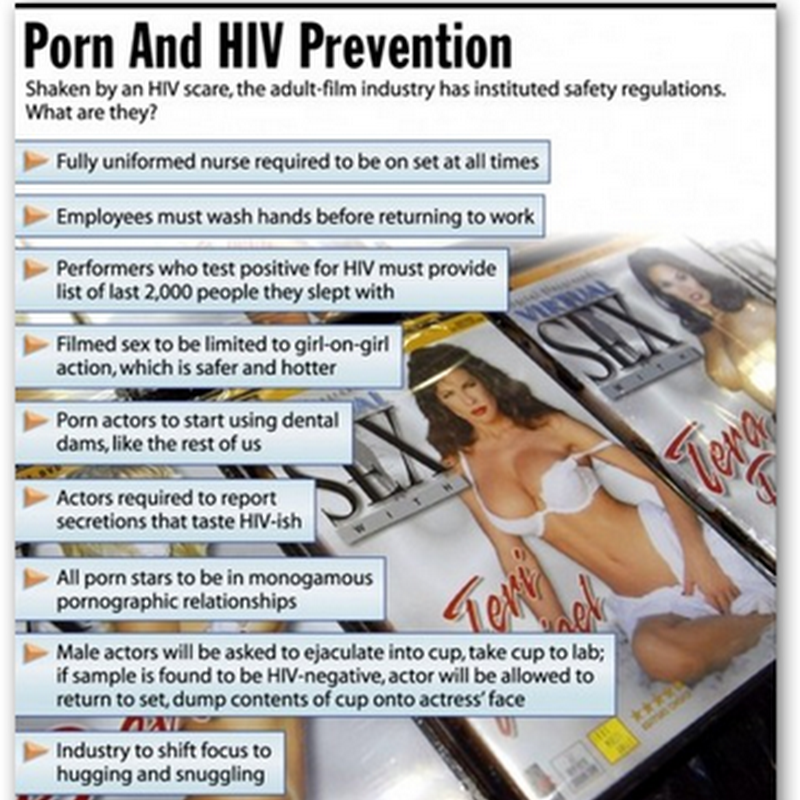
The Onion Reports on the Porn Industry with New Regulations to Prevent HIV Spread

The Onion, known for their off beat humor, offers these words of wisdom today, and when you look at what they state here, again some humor too, right up front “wash your hands”.  Humor on most of the rest, but some of the same issues we talk about in healthcare all over today.  An industry focus to shift to hugging and snuggling isn’t a bad suggestion for anyone for that matter too.  BD 

 image

Porn And HIV Prevention | The Onion - America's Finest News Source

Stater Brothers in California with Pharmacies Offering Free Antibiotics at 28 Stores

With the present state of the economy and mess of healthcare that lives in the “old normal” and a Congress that has not come to terms with the image“new normal” here’s more relief for those needing prescriptions.  A 2 week prescription of the antibiotics listed below will be free to those with and without insurance, refills too for 8 types of antibiotics.  BD  

Here’s a new way to get people to shop in your stores: Offer free drugs. San Bernardino supermarket chain Stater Bros. said it will give a free 14-day supply of selected antibiotics, including refills, to anyone with or without health insurance coverage who presents a prescription.

The antibiotics will be available only at the 28 Stater Bros. locations in Southern California that have pharmacies. Check with your local Stater Bros. to find a location, or click here for a list of Stater Bros. stores with pharmacies.

The supermarket chain will give away eight different classes of antibiotics, including:

-- Amoxil (generic)
-- Ampicillin
-- Ciprofloxacin (Generic for Cipro)
-- Doxycycline
-- Erythromycin
-- Penicillin
-- Trimeth/sulfa (Generic for Septra or Bactrim)
--  Tetracycline

Some antibiotics free at Stater Bros. | California Consumer | Los Angeles Times

Michael Moore Speaking Out To Democrats to Support Public HealthCare Option – The New Normal

He brings up some good points and I’ll add mine, education and everyone understanding the use of technology taking from those who do not or cannot attain the same ability. It’s been going on for years. We are living in the “new normal” and we have a Congress that is still living back in time.

“Department of Algorithms – Do We Need One of These to Regulate Upcoming Laws?

The “new normal”, digital laws that are algorithmic centric, otherwise there’s no ability to enforce, this is the new normal challenge for Congress, it’s there, see it, like it, whatever, it’s staring all of us in the face and denial continues to make it worse. I just read an article this week from Steve Ballmer of Microsoft, again speaking of the “new normal”, and it is not 70s by any account. BD

Would someone explain data aggregation and “high frequency healthcare to Congress

Filmmaker Michael Moore told activists and reporters Tuesday that liberal voters will get behind Republicans who support health care reform if Democrats let them down, according to reports.
"You think we're behind you just because you're Democrats?" Moore said at the Washington headquarters of the government watchdog group Public Citizen, the Hill reports. "We'll find Republicans who are smart enough to realize that the majority of Americans want universal healthcare."

"To the Democrats in Congress who don't quite get it: I want to offer a personal pledge. I – and a lot of other people – have every intention of removing you from Congress in the next election if you stand in the way of health care legislation that the people want," Moore said, according to Politico. "That is not a hollow or idle threat. We will come to your district and we will work against you, first in the primary and, if we have to, in the general election."

CNBC has their interview with Michael Moore this week below.


Michael Moore Warns Dems to Support Health Reform - Political Hotsheet - CBS News

Related Reading:

Promising new startup of 2009 - Executive branch of the US federal Government
The 2 New Hot Words in Healthcare: Algorithms and Whistleblowers
Ex-Goldman programmer Inquisition Continues – Did He Really Steal the Algorithms or Just Worked on Code from Home?
Senate Testimony – Insurers Confuse Consumers and Dump Those Who are Sick, a Wall Street Run System

Concierge Healthcare at Congress - The Office of the Attending Physician

This is a little known perk at Congress for members who elect to pay around $500.00 a year for the service.  It is fully staffed and provides not only family practice type care, but also brings in specialists for members of Congress when needed.  One commented that this office desensitizes many on the plight of the average citizen finding affordable healthcare.  There’s a video from ABC to watch for additional details.  BD 

 image

The Office of the Attending Physician declined to be interviewed by ABC news.  They have a pharmacy and a rehabilitation facility included.  Members of Congress have access to all the primary care they need and half the members of Congress pay the fee.  No additional charges are applied when a specialist is needed.  The doctors are from the Navy.  Members can arrange their surgeries through the office as well, and the video shows one Congressman who selected not to use those services, but did cash in on the rehabilitation portion they offer afterwards. 

image

One doctor who worked there spoke up on the service offered there and stated it was excellent.  It offers some public services, the mission of the office is to provide Primary Care for Congress.  If there is a medical emergency, the office is called to respond.  One Congressman states everyone in the US should be entitled to Primary Care. 

image

http://abcnews.go.com/Video/playerIndex?id=8709410

The Athena Breast Health Study – Collaboration to Revolutionize Care for Breast Cancer Patients

This is a long term study to follow the lives of women diagnosed with breast cancer throughout several universities in California through a grant fromimage the Safeway Foundation.  BD 

Press Release:

INNOVATIVE STATEWIDE UNIVERSITY OF CALIFORNIA COLLABORATION TARGETS BREAST CANCER

UCLA’s Jonsson Comprehensive Cancer Center is taking part in an unprecedented statewide University of California collaboration to revolutionize care for breast cancer patients by designing and testing, system-wide, new approaches to research, technology and health care delivery.

Called the ATHENA Breast Health Network, the groundbreaking project will initially involve 150,000 California women, who will be screened for breast cancer and followed for decades through the five UC cancer centers. The ATHENA project is supported by a $5.3-million University of California grant, and by a $4.8-million grant from the Safeway Foundation.

The project is expected to generate a rich collection of data and knowledge that will shape breast cancer care the way the renowned Framingham heart study changed the care of patients with heart disease.

“ATHENA is a model of multi-institutional collaboration and demonstrates the enormous potential in shared systems,'' said Dr. John D. Stobo, UC senior vice president for health sciences and services. “This is a great example of the power of our statewide university network of academic medical centers; this initiative will demonstrate that the total of what can be accomplished by UC functioning as an integrated system can far exceed the sum of contributions by the individual campuses. ATHENA represents an unprecedented opportunity to play a leadership role in driving critical changes in health care. The public nature of the UC institutions make them uniquely positioned to study the appropriateness and effectiveness of treatment. It also allows for the applied use of new scientific evidence, much of which has been developed in the UC medical centers, to truly change the delivery of care.’’

Dr. Arash Naeim, principal investigator for the Jonsson Cancer Center’s part in the project, said the primary goal of ATHENA is to accelerate research, “effectively translating it into innovative clinical care, and demonstrating the value that can be leveraged when institutions share knowledge and technology.”

“Breast cancer is the most common cancer in women, and innovative efforts aimed at preventing and treating breast cancer require significant financial, intellectual and organizational resources to improve survival and reduce suffering from the disease,” Naeim said. “If the University of California cancer centers, their researchers and healthcare providers work together in an organized and cohesive way as equal partners, there will be a tremendous opportunity to leverage research to improve prevention, diagnosis, treatment, and survivorship for all women developing breast cancer”.

Besides the Jonsson Cancer Center, the centers involved in the large-scale demonstration project include UC San Francisco as the host campus, UC Davis, UC San Diego and UC Irvine. Also participating in the collaboration are the UC Berkeley School of Public Health, the Northern California Cancer Center, Quantum Leap Healthcare Collaborative, the National Cancer Institute’s BIG Health Consortium, and the Center for Medical Technology Policy.

“We are excited to be supporting this innovative collaboration that, to date, has the clearest potential to produce ground breaking research that will bring us closer to a cure,’’ said Larree Renda, Safeway Inc. executive vice president, chief strategist and administrative officer and chairman of the Safeway Foundation.

Breast cancer, the most common cancer in women, is a devastating and costly disease, striking more than 200,000 women annually and killing more than 40,000 each year, according to the American Cancer Society. In the United States, more than $20 billion is spent annually screening and treating the disease.

ATHENA is designed to more efficiently integrate financing, technology, research and clinical care, creating an infrastructure model that could be utilized for many medical conditions.

“Our goal is to improve survival and reduce suffering from breast cancer, to accelerate research and compress the time to implement innovations in clinical practice,’’ said ATHENA principal investigator Dr. Laura Esserman, professor of surgery and radiology, director of the UCSF Carol Franc Buck Breast Care Center and co-leader of the breast oncology program at the UCSF Helen Diller Family Comprehensive Cancer Center.

“By working together as a community, the University of California centers, their affiliates, primary care and specialty physicians and patient advocates will work to change the options for patients today and create a better future for all women at risk for developing breast cancer,” she added.

The goals of the ATHENA initiative include:

  • Creating common systems to integrate clinical research and care across the UC campuses to advance the science of prevention, screening, diagnosis and treatment of breast cancer.
  • Driving innovation across the UC system to deliver and finance more effective and efficient systems for personalized and biologically targeted care, using breast cancer as a prototype.
  • Creating a biospecimen repository that has broad racial and ethnic representation.
  • Reducing morbidity and mortality by gaining a molecular understanding of breast cancer and factors that fuel breast cancer risk.
  • Improving understanding of who is at risk for what kind of cancer, and whether the risk of that cancer is significant or minimal.
  • Generating the evidence for developing more effective and less toxic treatments and to drive innovation in prevention, diagnosis and treatment.
  • Providing tools to change the way patients and providers interact to prevent and manage the disease.

The science fueling personalized medicine currently is experiencing explosive growth. Molecular tests are now available that can analyze a breast cancer tumor and categorize the risk of breast cancer recurrence with and without treatments, according to Esserman.

“Giving doctors sophisticated tools to tailor treatments to the individual tumor will revolutionize care, potentially enabling thousands of women to safely forgo toxic treatments and providing those at high risk of dying from their cancer with more targeted and effective treatments,’’ said Esserman. “Equally, if not more exciting, is the promise of molecular tools to more accurately predict the risk of getting breast cancer, which may ultimately lead to better ways to prevent the disease.’’

Women who present for breast cancer screening at the five UC centers and their affiliates will be enrolled into the ATHENA Breast Health Network and followed for decades. All women undergoing screening and treatment will be offered the opportunity to collaborate by contributing information about themselves, any risk factors they have, including health status, and other related lifestyle behaviors, such as diet, tobacco and drug use, environmental factors, gynecological history and family risk. This information will be used to help target prevention services now and in the future. Women diagnosed with breast cancer will additionally join a “survivorship cohort” comprised of women who have been diagnosed with breast cancer.

“We will be able to create a state-wide cohort of women at risk of breast cancer and develop the optimal methods for the early detection of all types of breast cancer,’’ said Dr. Robert Hiatt, professor and co-chairman of the Department of Epidemiology and Biostatistics at UCSF. He is also director of population sciences and deputy director of the UCSF Helen Diller Family Comprehensive Cancer Center, and his research focuses on breast cancer and the environment.

“The size and diversity of the survivorship cohort and the depth and quality of the information we’ll have will be unprecedented and will enable the development and testing of robust new models of cancer outcomes and prognosis,’’ he said.

The UC system is particularly well-positioned for a project of ATHENA’s magnitude because the combined centers annually screen as many as 80,000 women and diagnose 2,500 patients with breast cancer. Still, said Esserman, the new project calls for “a re-imagining and then a re-engineering so that we can continually improve what we do - to improve our current processes, to streamline communication and access to information among care providers and patients, and to improve the efficiency of services.”

The potential rewards are significant.

“This project will standardize the collection of structured data from both patients and physicians so that it is computable, interoperable and reusable, and it will integrate molecular profiling at the time of diagnosis and create an unparalleled biospecimen repository. The result will be a network that enables personalized care informed by science and that fuels the accelerated and continuous improvement in treatment options and outcomes,’’ said Esserman. “With ATHENA, wisdom will be waging war against breast cancer and the learning system will continue to evolve until we have cured this disease.”

While the ATHENA Breast Health Network focuses on breast cancer, the tools and infrastructure developed for this project are readily transferable to other cancers and conditions. ATHENA has the potential to serve as a transformative model to drive innovation, alter the culture of research and clinical practice and ultimately change health care delivery.

For further information, please visit http://www.AthenaCareNetwork.org

Safeway is a Fortune 50 company and one of the largest food and drug retailers in North America based on sales. The company operates 1,739 stores in the United States and Canada and had annual sales of $44.1 billion in 2008. The company’s stock symbol is traded on the New York Stock Exchange. Safeway supports a broad range of charitable and community programs and in 2008 donated more than $248 million to important causes, such as cancer research, education, hunger relief and programs focused on assisting people with disabilities.

UCLA's Jonsson Comprehensive Cancer Center has more than 240 researchers and clinicians engaged in disease research, prevention, detection, control, treatment and education. One of the nation's largest comprehensive cancer centers, the Jonsson center is dedicated to promoting research and translating basic science into leading-edge clinical studies. In July 2009, the Jonsson Cancer Center was named among the top 12 cancer centers nationwide by U.S. News & World Report, a ranking it has held for 10 consecutive years. For more information on the Jonsson Cancer Center, visit our website at http://www.cancer.ucla.edu.

-UCLA-