Interviews Personal Health Records How to Search Bar Code Campaign Ducknet.net

L.A. Shuts Down Over 400 Medical Marijuana Dispensaries – Will Sales for the IPhone Cannibus Locater App Suffer?

The stores who had not filed back in 2007 are slated to close and so far it has gone pretty smoothly.  Those that had filed back in 2007 have to register again and fill out some new paperwork stating they will comply with new city ordinances.  Now in the title here I had a little humor as there is an IPhone app to locate Cannibus that can be purchased for $3.00 but I could be wrong, the program could even be more valuable now that there will only be 127 dispensaries open.  Here’s a little history on the application from a few months ago. 

We may not have heard the last on this topic and there’s the downside of the landlords losing tenants and rent.  It’s a big drop but perhaps the 127 that will be left will be enough to handle medical marijuana prescriptions.  BD

Officials with the city attorney's office said they believe there will be "substantial compliance" with the ordinance that went into effect Monday shutting down more than 400 medical marijuana dispensaries that opened in Los Angeles over the last 2 1/2 years.

But despite those expectations, Assistant City Atty. Asha Greenberg said her office wouldn't rule out taking "enforcement action" against possible holdouts.

“I don’t think anyone should assume they can remain open and that the city is not going to take any action anytime soon," Greenberg said. "It's a definite possibility. Anyone who is not living in a cave [knows about the ordinance] because it's been so widely publicized."

"I thought it was going to be a little crazy," James Catipay, 33, said as he exited the office with his business partner Peter Tejera. The two operate Herbalcure in Los Angeles and although they have a week to file their paperwork, they wanted to do it as soon as possible.

L.A. marijuana dispensary shutdown going smoothly -- so far | L.A. NOW | Los Angeles Times

State of California Joins Investigation at Tri-City Medical Center – 5 Nurses Could Potentially Be Fired For Violating Patient Privacy Issues on Facebook

So far details are sketchy, but so far nobody has been fired or disciplined.  Due to the investigation things are being kept quiet on purpose until all the information is secured.  The article says “dozens” of employees so it’s not just one guy or gal here.  The medical center said the employees had not been fired yet, but it was in imagethe plans to do so, and this comment was made later in the day today after earlier reports in the day saying they had been fired.  

What they are looking at is a potential HIPAA violation, so whether they are looking for names, images of patients, it’s not known.  I think this is one of those we will have to play wait and see as it has somewhat gone back and forth a bit as they were going to fire the employees, but then they did not and the articles states a public hearing is required before that can happen.

Now the State has joined in the investigation so stay tuned.  BD 

The state is investigating Tri-City Medical Center in Oceanside after a possible breach of patient privacy.

The hospital is already looking into allegations dozens employees may have violated patient confidentiality by posting information on Facebook.

California Department of Public Health spokesperson Ralph Montano stated on Wednesday that the agency could not discuss any details of its investigation because it is still ongoing but did confirm that the agency did have a probe under way.

http://www.nbcsandiego.com/news/local-beat/Hospital-Fires-Emps-in-Facebook-Scandal-95794764.html

FDA Gives OK For Psoriasis Clinical Trial for CF101 Phase 3

 imageThe company is located in Israel with an office here in the US in Waltham, Massachusetts.  Most drugs that are available for treating psoriasis are expensive biotech drugs and the company is attempting to create a drug that will be affordable and it is also showing a response to Dry Eye Syndrome and Rheumatoid arthritis. 

With moving into phase 3 and 300 participants in the trial both here and in Israel perhaps this one will move along quickly as this is an anti-inflammatory drug.   This would be a pill that you would take and not a topical application.  BD 

FDA officials were satisfied with earlier trials of CF101 for the treatment of psoriasis.

Can-Fite BioPharma Ltd. (TASE:CFBI) has obtained US Food and Drug Administration (FDA) approval for a phase II/III clinical trial of CF101 for the treatment of the skin disease psoriasis. The trial follows the successful results of the phase II and safety and effectiveness trials and meetings between imagecompany officials and the FDA on the Investigational New Drug (IND) Application. 

FDA officials were satisfied with the preclinical and clinical trials of CF101 for the treatment of psoriasis, as well  as from the results of the safety trial and detailed report that Can-Fite submitted.

The new trial, which will begin in a few months, will include 300 patients in Israel, Europe, and the US.

Can-Fite says that psoriasis affects 2-3% of the population, and estimates the global market for treatment at $3.5 billion a year. Most current treatments are expensive biological drugs, which also have the characteristic side effects of these drugs.

FDA clears Can-Fite psoriasis clinical trial

Health exchange in Michigan Gets $3 million Social Security Contract – Electronic Medical Records For Disability Claims and Recipients

Henry Ford Health System and Oakwood Healthcare Systems will be able to link their medical records to the HHS National Health Information Network Exchange, and perhaps some day we may even have public use with medical records someday on the National network as it has been discussed.

In Boston at Beth Israel Deaconess, a pilot program was created and is in use, beginning in 2008 and they have been exchanging records, and I believe they were the imageactual first program started by Social Security.  Social Security is also sharing records with the VA and DOD.  The medical records are relative to disability claims being filed and speeds up the process tremendously.  In August of 2009 Social Security set their own budget for electronic medical records.  

Social Security budgets 24 Million for EHRs

Even though the system still operates with COBOL at the base they are still working towards new and automated features in other areas s well, such as the debit card for those on disability, less paper to chase.  BD

Social Security Disability - New Debit Card, Going Paperless

The Southeast Michigan Health Information Exchange has been awarded a nearly $3 million contract from the U.S. Social Security Administration to start an electronic records initiative.
The contract will allow SEMHIE to automate the process of filing Social Security disability insurance claims in the metro Detroit area.
The electronic process is expected to speed up the approval process from an average of 457 days to just six hours, according to the SSA.
Robert Jackson, SEMHIE chairman and Allen Park physician, said newly disabled patients often file bankruptcy while they are waiting for their disability insurance to be approved.
“There’s just too much duplication and inefficiency in the current process,” Jackson said. “An electronic system will reduce duplicate testing and improve the timeliness of care.”

Santa Clara, Calif.-based Sun Microsystems, Rockville, Md.-based CNSI Inc. and Falls Church, Va.-based Computer Science Corp. will aid SEMHIE in developing the system.

SEMHIE is a health information consortium that includes Chrysler Group L.L.C., Ford Motor Co., General Motors Co., Wayne County Medical Society, Oakland County Medical Society, Greater Detroit Area Health Council, Blue Cross Blue Shield of Michigan, Trinity Health, St. John Health System, Henry Ford Health System and Oakwood Healthcare.

Health exchange gets $3 million Social Security contract for electronic records - Detroit News and Information - Crain's Detroit Business

HHS Announces $51 Million in Grants For the Creation of Algorithms To Enhance Health Insurance Premium Rate Review Processes

This is what it is, states can apply for grants to submit what type of business intelligence or mathematic functionality they plan to use to provide better figures based on configured algorithms to keep on top of economic conditions relative to health insurance premium adjustments.   The entire press release contains a lot of mumbo on what the grants are for, but this is it in imagea nutshell- algorithms .  Nothing gets done today without “those algos”. 

It includes Medical Loss Ratio governing and you can’t do that without some algorithms and hopefully honest information gathered from the health insurance companies to compare to hit the 80%.  Just last week all the insurance regulators did not meet their deadlines on a federal basis, again I assume they are still working on their algorithms that they live and die by to score and asses all of us to project our cost of sickness.  Perhaps at the state level we can generate some better functioning algorithms?  I’m sure they will all get around to it once they have figured out what numbers insurers figure out what they need for the shareholders so we can see what’s left over.    

HHS deadline for Medical Loss Ratio Plan Is Missed by Insurance Regulators – Not Done With the Algorithms Yet?

Last month only 27 states had responded on their plans for regulating the medical loss ratios, so perhaps additional grants will help push the rest of this along. 

It sure would be nice not to have this 800# gorilla around and this is big project that will require states to update infrastructures and more.  If you don’t get those algorithms developed, states are certainly going to have a hard time battling the insurance industry that has the technology of “machine guns” while the rest of  us are kind of running around with “swords and daggers”.   In essence this is a big battle of the algorithms of cost. 

We have all found out what happens when the weapons are not equal and algorithms are used to under pay both doctors and patients.  We have one case settled with claim forms we can send in and there’s a ton more of those in court or filed.  I’m not exactly sure what is going on here, but HHS seems to like the algorithms and software from one of the exact same companies too?  Anyone have a clue here?  BD 

"Reach for the Top" Program Combines Prototype from Ingenix (A Wholly Owned Subsidiary of United Healthcare) for Public/Private Community Health Data on HHS.Gov Site

New grant program providing $250 million to states over next five years will strengthen oversight of insurance premiums and rate hikes

HHS Secretary Kathleen Sebelius today announced the availability of $51 million in Health Insurance Premium Review Grants through the Affordable Care Act.  These funds are the first round of grants available to states through a new $250 million grant program to create and strengthen insurance rate review processes.

“This is an important step in putting consumers back in control of their health care,” said Secretary Sebelius. “These new grants will help states protect consumers and small employers by holding insurers accountable for unreasonable insurance rate increases that have made coverage unaffordable for many American families. By strengthening oversight of insurance premiums, these grants will help put affordable coverage back within the reach for Americans imagewho have been hit hard by skyrocketing costs.”

All states and the District of Columbia are eligible for this first round of rate review grants.  To receive a grant, a state must submit a plan for how it will use grant funds to develop or enhance its process of reviewing and approving, disapproving, or modifying health insurance premium requests.  States with successful applications will receive a $1 million grant during the first round.

The Health Insurance Premium Review Grants that will be available during FY 2010 are only the first in a five-year grant program. HHS will take applications for a second round of state grants beginning in Fiscal Year 2011, after new regulations regarding rate review take effect.  Second-round grants will allow states to further strengthen their rate review, and begin to provide the Secretary of HHS with the rate data required under the law.

Secretary Sebelius Announces $51 Million in Affordable Care Act Grants to Innovate, Improve, and Enhance Health Insurance Premium Rate Review

Broad Institute of MIT Purchases 51 Sequencing Machines from Illumina - Genomics

The Broad Institute of MIT is making a substantial investment with 51 of the devices.  It was just a couple years ago that prices on the sequencing machines wereimage really expensive, and well they still are not cheap, but a lot more affordable than at that time.

Just a couple weeks ago the FDA cleared the new genomic test for thrombosis, done with an Illumina machine and their VeraCode technology.  BD 

FDA Clears Genomic Test for Thrombosis

From the Illumina Website:

With innovative design features, HiSeq 2000 is the easiest to use next-generation sequencing system.

  • Flow cells are easily loaded on the vacuum-controlled loading dock.
  • Pre-configured, plug-and-play reagents sufficient for up to 200 cycles drop into racks in the machine's chiller compartment, requiring only two minutes of hands-on time.
  • A simple touch screen user interface, including on-screen, step-by-step instructions with embedded multimedia help, simplifies run setup.
  • Real-time progress indicators provide at-a-glance status, and remote monitoring allows a single user to check progress on multiple systems from any browser or internet-enabled phone.
  • HiSeq 2000 can be operated in single or dual flow cell mode, offering unmatched experimental flexibility and instrument scalability.
  • Independently-operable flow cells allow applications requiring different read lengths to run simultaneously.
  • Illumina's efficient and scalable data analysis solution for transforming billions of bases of raw sequencing data into publishable, biologically meaningful imageresults is included.

In a single run, sequence two human genomes at ~30x coverage for less than $10,000 (USD) per genome, or perform 200 gene expression profiles for less than $200 per sample.

NEW YORK (GenomeWeb News) – The Broad Institute has purchased 51 HiSeq 2000 instruments from Illumina.

The HiSeq 2000 was launched earlier this year and is the latest version of Illumina's sequencing technology, providing a variety of upgraded features over its Genome Analyzer. At the time of its launch, the firm announced that Chinese genome center BGI had ordered 128 of the new systems.

Illumina said that the HiSeq instruments will replace an equal number of Genome AnalyzerIIx systems at the Broad as the institute upgrades and expands its sequencing capacity. Illumina added that it expects to ship the systems to the Broad over the next several quarters.

Broad Institute Purchases 51 HiSeq Machines from Illumina | GenomeWeb Daily News | Sequencing | GenomeWeb

Walgreens Sends Letter to CVS Caremark Pharmacy Network – No More New CVS Plan Participants As It Disrupts With Inconsistencies Related To Our Business Plans

We are seeing a lot of new and different affiliations today everywhere in healthcare and the letter today according to this article states that no new CVS-Caremark individual plans will be accepted; however those who are currently enrolled will be honored.  It states further than Caremark pharmacy benefit management plans are inconsistent with their current values at Walgreens, so the link below might add some monetary insight here too, as how can those pharmacists cash in on the pay for performance cash cow offered from United Health Care as a simple example when they could capture more money without honoring another company’s plan.  It would seem to me that the CVS alliance could cut into the money being offered toimage Walgreens and the YMCA in this instance.  Maybe it doesn’t make sense as with remodeled business plans things have now changed a bit?

UnitedHealthCare To Use Data Mining Algorithms On Claim Data To Look For Those At “Risk” of Developing Diabetes – Walgreens and the YMCA Benefit With Pay for Performance Dollars to Promote and Supply The Tools

Walgreens in April announced their mobile units, with sending out a fleet of buses to offer free screenings too and I would guess this is perhaps another opportunity to cash in here too.  The screenings are a good thing by all means, but take a look at the marketing behind all of this that comes along with it.  It is not just Walgreens though, they all are creating maneuvers of such.  AARP is closely tied with marketing health insurance policies from United Healthcare and a few others.

AARP and Walgreens Sending Out a Fleet of Buses to Offer Free Screenings

The 2 retail chains are also in stiff competition to work into being your “genetic benefit manager” too and in the last couple weeks there was the big scuttle about having the “box” over the counter to buy for genetic testing.  To the whole thing was built way out of whack as it was just a box and the usual efforts of going online and registering and the rest of the process has not changed and there are several others who offer this service, it was just that “box” that was the big area of concern and that’s what we get today with a distracted society sometimes that misses the overall processes and misses what’s really going on behind the scenes.  One of the reasons stated below too is that Walgreens is not sure as to how much money they will receive from CVS too. 

CVS Joins Walgreens With No DNA Box on the Shelf – But What About the Marketing to Consumers on Tests?

Again some of this is very useful but behind all of it is marketing and money as we as patients are out here to figure out where and what levels of participation are good for us and where marketing influences may push us over to where we may not want to go, yetWho will be the next insurer to march up to one of the big imageretailers to offer pay for performance I wonder to capture the patient and get you enrolled versus the competition and will the pharmacists being led on to a much more aggressive role as a marketer in addition to advising you on the safety and dosage of your drugs?  I think we’ll see more of this coming down the tubes shortly as time moves forward.  BD 

In a letter today to CVS Caremark Corp, Walgreens  said that it will not participate as a provider in any new and renewed prescription drug plans awarded after June 7 to CVS Caremark's pharmacy benefit manager (PBM). The company said it had concluded that it was no longer in the best interests of its customers, pharmacists and shareholders to grow its future business with CVS Caremark. Current CVS Caremark plans in which Walgreens is already a pharmacy provider will not be affected.

-- CVS Caremark's promotion of prescription drug plan designs such as Maintenance Choice disrupts networks by requiring patients with chronic conditions in many plans to use CVS pharmacies or Caremark mail service facilities for their prescriptions instead of Walgreens. This limits patient choice and ends up separating patients from community pharmacists they know and trust at a Walgreens drugstore.

-- Currently, Walgreens receives no or little information when a CVS Caremark prescription drug plan is transferred to a different and differently-priced CVS Caremark pharmacy network, or when CVS Caremark acquires a new prescription drug plan as a client. Because of this, it is difficult to assess and decide in advance whether Walgreens should participate in new or altered CVS Caremark prescription drug plans.

-- The growing unpredictability of CVS Caremark reimbursement rates to Walgreens, and the fact that CVS Caremark's payments for certain drugs often don't reflect the market, has made it unacceptably difficult for Walgreens to reasonably and economically plan for and operate its business.

"In that time, we have come to feel that CVS Caremark's pharmacy benefit management practices are inconsistent with the value we provide as the largest pharmacy provider in its network and the services we deliver to patients, employers and payers. These services include our trusted pharmacists and clinicians who stand ready to deliver critical health care advice, convenient locations with drive-thru pharmacies and 24-hour pharmacies that provide access to emergency medications. Consequently, we have reached a point where participation in future CVS Caremark plans no longer makes sense for us."

Walgreens Will Not Participate in Future CVS Caremark Pharmacy Network Plans - MarketWatch

Genentech (Roche) Announced Plans to Apply to FDA For Approval To Use Avastin to Treat Ovarian Cancer

No too long ago United Healthcare put out an oncology report and the questioning of the use of Avastin and it was mentioned as an area where they felt guidelines for their recommended treatment were not followed according to the data house on informational statistics.    It is fairly expensive drug and here’s a short summary imageof the prior post. 

“The company especially probed the use of high-price biotech drugs, which it says it found in some cases are being prescribed inappropriately. One NCCN guideline for colon-cancer patients advises that patients get chemotherapy after surgery, but in 31% of cases, the care did not comply with the rule. Instead, in the bulk of those cases, patients were prescribed Avastin, a Roche Holding AG biologic that is unproven in that patient group, says Dr. Newcomer. And among patients with non-small-cell lung cancer, about 24% received Avastin, even though their disease didn't meet the right criteria to get the drug, UnitedHealthcare found.”

Also at UCLA Avastin has been found to increase survival times with patients who have brain cancer.  FDA approval helps but doesn’t always guarantee that the patients will have access with insurance coverage. The intent to file for approval was announced this week at the annual ASCO convention.  BD

Avastin Increasing Response and Survival Times With Brain Cancer - UCLA

A new drug developed by a subsidiary of Roche pharmaceuticals, Genentech, has significantly increased survival time in patients with untreated ovarian cancer. Genentech, located outside San Francisco, has announced plans to apply to the FDA to use the drug for treatment of ovarian cancer as well as cancers of the colon and prostate.

The drug called Avastin, has been developed to target a specific protein called vascular endothelial growth factor. The protein is present in the body as a response to invading viruses of abnormal cells. Drugs that target the specific proteins that respond to this type of illness have been proven effective in reducing the duration of the illness as well as reducing the negative side effects other drugs previously used for this cancer treatment. This gives the patient a better quality of life as well as a more comfortable recovery period.

New breakthrough in treating ovarian cancer » Gossip Jackal

A Hospital Admitting Machine – And You Thought Kiosks Were State of the Art

This is a video from an embedded transistor company, Freescale that has a proto type of what this would look like and perhaps not that far out of the picture with the way technology is moving today. 

image

Freescale is the semi conductor portion of the business, in other words the brain and the sensor controls uses on devices.  This is interesting to see this concept and who knows when this may show up in the ER room.    

image image

image  image

The press release states the process takes 7 minutes. 


The information goes right into the electronic medical records system too.  BD

image

Press Release:

GUADALAJARA, Mexico--(BUSINESS WIRE)--As the population continues to age and medical monitoring becomes more integrated into everyday living, healthcare professionals are constantly striving to find new ways to monitor patients with improved accuracy, speed and end-user convenience. Taking an active part in this initiative, Freescale Semiconductor, partnering with Pounce Consulting, developed a portable, easy-to-use telemonitoring reference design, which allows patients and physicians to run routine health screenings at home or remotely. Grant funding for the reference design came from the Jalisco State Secretariat of Economic Development and the National Council of Science and Technology.

“Globally, people are living longer and innovation like this from Freescale is going to be necessary to give people the proper level of care without increasing cost.”

Dubbed the Intelligent Hospital kiosk, this is a prime example of Freescale’s efforts to help improve patient care and lower health care costs by driving innovation and enabling medical device manufacturers to leverage the latest technology available. Patients can use the kiosk as a monitor at home to send their personal vital signs and medical tests remotely to a healthcare provider in order to proactively monitor and prevent acute complications of chronic degenerative diseases. In addition, the kiosk can be made available in a public location for individuals to perform various medical tests and transmit data to a hospital.

The recently announced Flexis MM family drives nine different medical devices on the reference design, reducing analog costs and noise interference. The devices include: a weight scale, an ultrasonic height sensor, a thermometer, a blood pressure monitor, a heart rate monitor, a one-lead electrocardiography EKG, a pulse oximeter, a blood glucose meter and a spirometer to measure lung volumes and air flow. The kiosk features a touch-sensing interface to toggle between different modes of operation which creates a cutting edge user experience while leaving the contact surfaces smooth for easy cleaning and disinfecting. A magnetic card reader identifies patient data which is transmitted via USB or Zigbee to a PC or a server where an electronic medical record (EMR) can be stored.

In a recent test using the Intelligent Hospital kiosk, a physician ran the full screening in an average time of seven minutes per patient for a total of 67 patients, while diagnosing five health conditions that were not detected in an initial screening.

“It’s great to see technology companies like Freescale using their innovative products to solve real issues within the context of healthcare,” said Alonso Ulloa Velez, director of the Economic Secretariat for Economic Affairs for the state of Jalisco. “Globally, people are living longer and innovation like this from Freescale is going to be necessary to give people the proper level of care without increasing cost.”

“By integrating common medical monitoring devices with medical grade connectivity and IT systems, we believe we can help lower the cost and improve patient health screenings to reduce major health complications,” said Dr. José Fernández Villaseñor, physician, surgeon and electrical engineer for Freescale Semiconductor. “Freescale’s new Flexis MM family is the foundation of the Intelligent Hospital demo and can speed delivery of patient diagnostics to a hospital or healthcare provider.”

Utilizing its own Tower Design System to develop the kiosk, Freescale also partnered with Pounce Consulting, an information technology services firm that provide OEMs with a customizable platform to develop their own medical equipment. Freescale also used touch sensors to help reduce costs and increase mechanical design flexibility.

Intelligent Hospital demo at Freescale Technology Forum

Freescale will demonstrate the Intelligent Hospital kiosk at the upcoming Freescale Technology Forum, June 21-24 in Orlando, Fla., along with other medical reference designs for motion sensing control and health and fitness activity monitoring.

Freescale medical applications

Freescale offers medical solutions leveraging our product expertise in microcontrollers, sensors, analog and wireless technology for home portable medical devices, diagnostic and therapy devices and medical imaging devices. Freescale is dedicated to helping patients live a better life by driving innovation and enabling medical device manufacturers to leverage the latest technology available. Visit http://www.freescale.com/medical.

About Freescale Semiconductor

Freescale Semiconductor is a global leader in the design and manufacture of embedded semiconductors for the automotive, consumer, industrial and networking markets. The privately held company is based in Austin, Texas, and has design, research and development, manufacturing or sales operations around the world. www.freescale.com.

HHS Committee Urges Genetics Education Effort – Whoa Slow Down a Bit – How Many More Carts Are You Going To Place In Front of That Horse (aka the MD)

Education is not at all a bad idea but have the folks at HHS look at what they are immersing doctors with in such a short amount of time? Of course none of the imagecommittees that recommend and devise all of these reports are the ones responsible for using them so it’s a bit of a “fantasy world” existence.   Getting genetic information to physicians is not a bad idea at all but if we had some “hybrid” personalities that had training and expertise in more than one area at a time perhaps some of this would mesh better at the creation level.  

Personal Health Records (PHR), I don’t do technology said the CEO, “it’s for those guys over there”

Don’t forget we have patients too exploring this area and they need help and guidance too and current news articles show what a very slop adaptation of personal health records and other health items have.  What do you expect of doctors and patients at this accelerated level?  Is there not anyone around of a “hybrid” level of expertise than can bring some of this back down to earth? 

One Hell of a Training Program Needed – The Bottom Line to Success in Health IT

What it takes for this type of knowledge to permeate is to spend time with physicians in the field and watch their daily work flows, and I don’t mean at the few high tech offices and hospitals that are well along their way, it’s the other folks you need to bring up to par and again with lack of anyone in leadership with any “hybrid” input, let alone their own participation, this is what we get, more stuff “for those guys over there”.  This is common sense but we need committees now to tell us this?  Again, if you don’t get out and spend time with your sleeves rolled up and participate yourself, this is what we end up with and no wonder doctors and patients are frustrated.  We have no coordination and not enough Health IT implementation individuals at the top. 

One other item to keep in mind is that training takes time and how much time do doctors have and can some afford to take time away from seeing patients that is producing money that puts food on the table.  The link below shows the person on the street asking about PHRs, and this could have easily been done at high leadership levels and received the same results I feel. 

Do You Know What a PHR is? Heck No, Do I Need to Know - Video worth 1000 Words

Here’s a post from a few days ago that sums it up pretty good and the folks at the top don’t get this at all.  We have no role models available and the same old imageattitude of “its for those guys over there”. 

HHS National Plan to Improve Health Literacy – Not Going To Happen Until We Focus on Using Technology (The Tool for Literacy) Which Includes Role Models at HHS And Other Places in Government

Now to make this point further, I looked around the web and do you think I could find a picture with Kathleen Sebelius with a computer – not at all.  I looked and couldn’t even find a picture with her with a cell phone!   Does she use technology?  Heck we can’t even get the Medicare PHR program off the ground as everyone sits and talks about it and does little except throw stimulus money around that people are having a hard time understanding how to get it. 

Tell this young doctor in this video she needs genetic training!  HHS is completely out of touch with the real world.  Actually this video is a scene from a new documentary called “The Vanishing Oath” and I have watched the trailers and have not seen the entire movie myself but will, but just the clips make a big enough impact and hopefully show everyone what the reality is for doctors out there today.   When the doctor gets done with her part time job she has at Blockbuster (so she can have her own health insurance) you think there’s time for genetic training dumped on top of an already exhaustive schedule. 

Perhaps soon HHS will learn the act of balance here and perhaps they might get lucky enough to find some valuable “hybrid” individuals to help us out as the current plan overall is going nowhere in a hurry and I attribute this largely to a huge gap of non participants and lack of participation on their own part, and if they did a little bit of that, heck we could have less committees and save a ton of time and money too. People at top levels that live in “tech denial” and that don’t participate are deadly to the rest of us with a daily dose of “its for those guys over there” and “this is good for you” and “this will help you”. 

As transparency moves forward everyone is beginning to not only recognize this but it is creating an insurmountable era of resentment too.  BD

The Vanishing Oath (excerpt) from Lisa Molomot on Vimeo.

NEW YORK (GenomeWeb News) – Advances in genomics and personalized medicine are moving genetic tests into doctors' practices and patients' lives, but steps should be taken to keep healthcare professionals, doctors, and consumers educated and prepared to understand the results of these tests, according to a new report from a US Department of Health and Human Services' committee.

The Secretary's Advisory Committee on Genetics, Health and Society has issued a new draft report with proposals aimed at enhancing genomic medicine education and training for doctors and patients.
The report offers proposals concerning a number of issues, including a workshop that would develop ways to integrate genetics into clinical care; development of new training and teaching models; using family health histories in new ways; and proposing reimbursement for the time healthcare providers spend with patients discussing genetic test results and collecting family histories.

First, the task force has recommended that HHS convene a workshop to identify innovative education and training approaches to integrate genetics and genomics into clinical care. The workshop would aim to identify new education and training guidelines, find new funding streams to pay for new initiatives, plan to enhance the content of genetics and personalized medicine education, offer ideas for developing new and relevant educational standards, consider appointing an ongoing advisory panel, and develop a plan to monitor the outcome of its efforts.

HHS Committee Urges Genetics Education Effort | GenomeWeb Daily News | GenomeWeb

HHS deadline for Medical Loss Ratio Plan Is Missed by Insurance Regulators – Not Done With the Algorithms Yet?

This should come as no surprise as insurers have to investigate fully and take advantage of all their business intelligence software for guidance here as this will impact investor relations and the what they can predict to shareholders in the way of dividends.  Perhaps the HHS requirements here didn’t allow for this.  I would think that those with experience with working with health insurers would be fully aware of how this process works.  We read about Blue Cross in the news recently imagechanging their accounting assignments to place more into the “service” and “claim” areas than what they had deemed appropriate in the past – they need time to run those cost algorithms.  United Healthcare is right on top of this and notified shareholders that their dividends would be paid more frequently so you can see this takes time and of course they also did not want to lose investors with all of this being in the news. 

UnitedHealth To Pay Out Higher and More Frequent Dividends to Share Holders, No Caps on Earnings for Executives or What Is Spent on Lobbying Says the Board

We also had Blue Cross in the news of late adjusting their algorithms to determine how they could work their numbers and could some premium payments possibly go towards VC ventures.

Health Insurance Medical Loss Ratios – How Will The Definitions Between Healthcare, Other Administrative Costs and Profits Be Spelled Out – May Need Some Algorithms to Figure It Out

Perhaps HHS was maybe not aware of all the data functionality here that insurers have to analyze (what they do best) in order to comply within this time frame, as the investor relationships have to come first by law.  Oh the complications of Health IT today and how it impacts deadlines imposed and makes things complicated perhaps for those who are on a non participant level at times.  It affect everything and we are finding other examples too of deadlines not being met, again technology and the algorithms for decisions impact all, and why it is important today to have leaders with some Health IT knowledge and participation.  BD 

The National Association of Insurance Commissioners (NAIC) submitted a letter June 1 to the U.S. Department of Health and Human Services (HHS) saying it was delaying its report on how health insurers should calculate their medical loss ratios.

The NAIC was asked by HHS to offer guidance on how to determine if insurers are meeting new health care reform requirements for medical loss ratios. The NAIC originally had until Dec. 31 to complete its work, but then was told to complete it by June 1 to ensure federal regulators had time to implement the rules, which take effect in 2011.

Last month, the NAIC said just 27 states had responded to its request for information on state MLRs. The organization cited time constraints for the limited response.

The federal health insurance reform law requires insurers to meet minimum medical loss ratios — the percentage of premiums collected by insurers actually spent on care that is not administrative costs or profits.

Cline called the initiative a “top priority” for the NAIC, which will determine how expenses paid by insurers such as technology costs, wellness services, taxes and administration costs will affect the new requirements. Companies that do not pay the required proportion of collected premiums back to consumers in the form of claims paid and benefits provided must supply rebates.

Insurance regulators miss HHS deadline for medical loss ratio plan | Insurance & Financial Advisor I IFAwebnews.com

FDA Loses in Court With Violating First Amendment – Alliance for Natural Health Vs Kathleen Sebelius – Selenium Supplements

The court case stated the FDA violated the first amendment of freedom of speech when censoring truthful scientifically backed claims about how selenium can help reduce the risk of cancer.  We see a lot of advertising where the train runs away with some products and their advertising where there is no scientific backed information and that is a different story.  Many doctors today recommend many different natural supplements in their practices too. image

This case focused on one supplement only – selenium.  In humans, selenium is a trace element nutrient found naturally on earth and trace elements in our bodies.  No word yet if the case will be appealed.  BD 

In this court case, ALLIANCE FOR NATURAL HEALTH, et al. vs. KATHLEEN SEBELIUS, et al., the judge ruled that the FDA violated the First Amendment rights of the plaintiffs by restricting their free speech about the anti-cancer benefits of their selenium supplements.

As explained by health freedom attorney Jonathan Emord who argued the case before the Court:
"The decision... reaffirms that FDA is subject to the strictures of the First Amendment in its evaluation of health claims and it faults FDA for failing to follow that standard, holding its suppression of the selenium-cancer risk reduction claims unconstitutional."

"The Court concludes that the FDA... has not provided any empirical evidence, such as 'studies' or 'anecdotal evidence,' that consumers would be misled by... plaintiffs' claims were they accompanied by qualifications. Moreover, the explanation the FDA offers to demonstrate that plaintiffs' claims are misleading – that the claims leave out pertinent information – is not support for banning the claims entirely..."

FDA defeated in federal court over censorship of truthful health claims

TwitTag – Fast and Simple Way to Create a “Twitter” Tag – The Same 3D Bar Codes We Want Drug and Device Companies to Use So We Can Scan With Our Cell Phones To Find FDA Recalls

This is pretty neat as someone has worked with the Microsoft Tag API and created a site where it does all the work for you.  I have created my own tags which involves a few steps and they are on the right hand side of the blog under resources to practice with, shoot aim and watch. 

The tag takes you right to my Twitter Feed.  I tried it and it works like a charm.  Follow the Links below to download to your phone and read up and start scanning! 

Microsoft Tag

Microsoft Tag FAQ

image

image

If you have not read up on what Tags can do in healthcare, here’s a couple links and at the top of the blog page I have a permanent link to the summary post where it was featured on MSDN and on Microsoft.Gov. 

Microsoft Tags – Microsoft MSDN Posts Ideas from the Medical Quack About Use in Healthcare!

We are even having some discussions about using with the new DEA rules for authenticating physicians for controlled substances and it has been heavily read for theimage last 3 days! 

RAZCODE (Microsoft Tags) Using Smart Phones to authenticate MDs When e-Prescribing Controlled Substances

We already have a grocery chain kicking the FDA in the “tech fanny” here with being ahead of the game with FDA and other recalls. 

How Does a Grocery Store Chain Kick the FDA, Pharma and Healthcare in the Butt When It Comes to Recalls

Creating a Microsoft Tag of your twitter page is very easy. Enter your twitter handle below and click "Create My Tag".

After the tag has been successfully created, right-click on the image and select "Save Picture As..." option to download the Tag to your computer.

http://twittag.me/CreateTag/Create

“The Vanishing Oath” – Documentary About the Diminishing Doctor-Patient Relationships When the Environment Does Not Allow Doctors To Care - Exhaustion As Well As Struggles to Take Care of Themselves Sets In

We all know the focus is to save money, but at what cost, the relationships that we enjoy as people, especially important when we need healing and depend on our imagedoctors to help us.  Granted we have a lot more information online today and should take advantage as patients to be better informed, but what may patients may not see or realize is the push on the other side that affects the doctors in all of this.   

In the clip here the first thing the doctor says she would change would be the “reimbursement and billing” systems used – get rid of billing and coding.  I could not agree with her more on this as I have done and do billing and the average patient has no clue as to what this nightmare is.  Its is the 800# gorilla hiding behind each practice office that everyone tries to keep in the closet for the most part so as not to interfere with the patient experience, but sometimes it does get out and makes things awkward and difficult. 

The one doctor is working in 2 offices and is talking about going to work for Kaiser Permanente and she works part time at Blockbuster to get health insurance herself.  This is a doctor not too long out of residency. 

From the Website:

“Did you know that 60% of doctors today are dissatisfied with their practice of medicine? Our first feature length film is borne out of the dark frustrations of a Boston doctor who refused to ignore that, every day, we are losing good doctors.
Dr. Ryan Flesher’s raw and unscripted look at himself and his own place in medicine provides a unique revelation that our modern day healers have long held silent.
Being a physician today carries a complexity and responsibility, known only to those whom are expected to tend to the ills of society. But when doctors are suffering themselves - who really cares? We are all patients and come the day that we allow for money to supersede humanity, we all become collateral damage.
Dr. Flesher, driven by the altruism that brought him into medicine, with camera in hand, will pull back the curtain. In so doing, he becomes both observer and participant in this unique exploration into the psyche of physicians today.”

The movie has a web site and you can find it here along with a page of several other videos trailers to watch to include one on the fears of malpractice.  I watch a lot of frustration from the doctor’s side and many are not getting a good break today and with technology and other pressures running rampid, especially with insurance companies trying to leave them out of the loop in some areas and telling them how they need to practice medicine, yes the feelings heard here are true. image

We have a strange sensation of what we call balance in healthcare today with emerging technologies and how they get implemented.  When the IPad came out some of my fellow bloggers became IPad bloggers for about 2 weeks and it’s good to have them back, and what I am saying here is the obsession to the point of utter distraction and disruption with technology.  I love the new stuff but do keep in mind I have come back to earth after a few minutes.  On the other hand I encounter the tech denial folks who hate everything I represent with technology and hear nothing but complaining and negative comments there, and those are mostly the ones who really don’t like change, so if we can hit somewhere in the middle between compulsive obsession and denial we might be going somewhere.

Also, check out Money Driven Medicine too for another documentary from last year that is excellent and you get to hear the doctors talk there too. 

MONEY-DRIVEN MEDICINE – The Movie (Official Trailer)

Unfortunately health literacy is not going anywhere fast with efforts as such from HHS being totally out of tune with reform and how they relate to the American Public as the mountains are not coming to Mohamed any time soon and we lack tremendously with most of them displaying any signs of caring as well.  We get get a good show and more technology thrown out there that people don’t know how to use, but that’s about it, and I mention this as their actions and how they perceive solutions is way out of touch as they never roll up their own sleeves today and still prescribe to the paradigm of “its for those guys over there” and those guys are us, the doctors and the patients. 

HHS National Plan to Improve Health Literacy – Not Going To Happen Until We Focus on Using Technology (The Tool for Literacy) Which Includes Role Models at HHS And Other Places in Government

The government actions of many being non participants just stands to delay progress and continues to indulge the “for profit” algorithmic mechanisms of Wall Street which is lives in their own world of make believe.  With tech denial at such a high rate throughout out leaders, we get the tech bytes and bits dumped on us and leaders  have no clue of the huge impact this is creating for the citizens as technology is throwing us a new left curve every day and they just don’t see it and the best we can hope for is to be lucky enough to get another website or blog that they say “will be good for us” and when the real truth is known, they can’t use the tools on there themselves.  Sad, but this is greatly what is contributing to the strain of the human patient-doctor relationships today.  BD 

The Vanishing Oath (excerpt) from Lisa Molomot on Vimeo.

You can also buy the film on Amazon for $21.99 or use your PayPal account to purchase.  I just came across this today and looks like I need to get a copy to watch myself after viewing the trailers. 

Nancy Pando knew she wanted to make a documentary, she just didn’t know what the film would be about..

“Dr. Flesher turned to me and said, ‘I hate being a doctor.’ He was 35 at the time. All of that education and all of that debt ahead of him and he hated being a doctor,” Pando, a social worker from Boston, said. “I’d never heard any doctor say that so I turned to him and said, there’s the documentary.”image

After more than four years of filming, Pando and Flesher’s film, “The Vanishing Oath,” was completed. The movie is about the many obstacles that lie between patients and physicians.

“People often say the doctor kept me waiting, but that’s not the doctor’s fault. It’s all of the obstacles in between. Insurance companies, malpractice insurance, joint commission, it’s all the same bureaucratic machine,” Pando said. “What they’re doing is tying the hands of doctors. Untrained hands are really determining our care.”

The film premiered at Moraine Valley Community College on May 25. Palos Heights physician Dr. John Principe organized its showing.

Since making “The Vanishing Oath” open to the public, online, on May 5, Pando says reaction has been overwhelmingly positive.

The Reporter: Filmmaker delves into doctor-patient relations

The Wacky World of Prostate Cancer Diagnosing and Prevention In the News– Dogs and Voice Decoding?

First up here we have dogs that are trained to smell urine and in the tests below you can see this was limited to 66 tests and the dog made 3 mistakes, not bad.  This does not mean you can get a dog to replace the standard PSA test though as this is still preliminary work with some kind of progress I think?  The video below goes into other cancers that dogs can check for or I should say are being trained to detect. 

Now a couple weeks ago I did a post about software that decodes human voices to also help determine if a man has prostate cancer, so gee even easier than the dog?  Actually the software is being developed and invested in by venture capitalists to decode your voice to give the caller at the other end you present mental state, great right?  This could perhaps stand some use in areas where call centers are located in countries where English is not the main language? 

Behavioral Software Decodes Human Voices to Identify Person’s Present State Over the Phone – Voice Driven Algorithms for Analysis

As you read further, the software also boasts about the ability to predict prostate cancer too, so what next, forget the visit to the doctor and get all the men in the country on the phone?  Of course not, but a second example of some strange items happening out there with some wacky research.  I also ask what if was a woman on the phone too, would the voice decoder know this? 

“According to Levanon, a person with prostate cancer has a "Grand Canyon" of missing tones that is "catastrophic to the voice."

I could see a call to a tech call center going something like this with transparency and disclosure today:

“Thank you for calling our tech support customer service department today and by law I am requested to inform you that we have also decoded your voice and you may have prostate cancer and I would be happy to send the results to your doctor if you can verify the last 4 digits of your social security number and provide a fax number”…(grin). 

Then, if you believe everything you read today you might be running down to the drug store to buy some products from Bayer – not. 

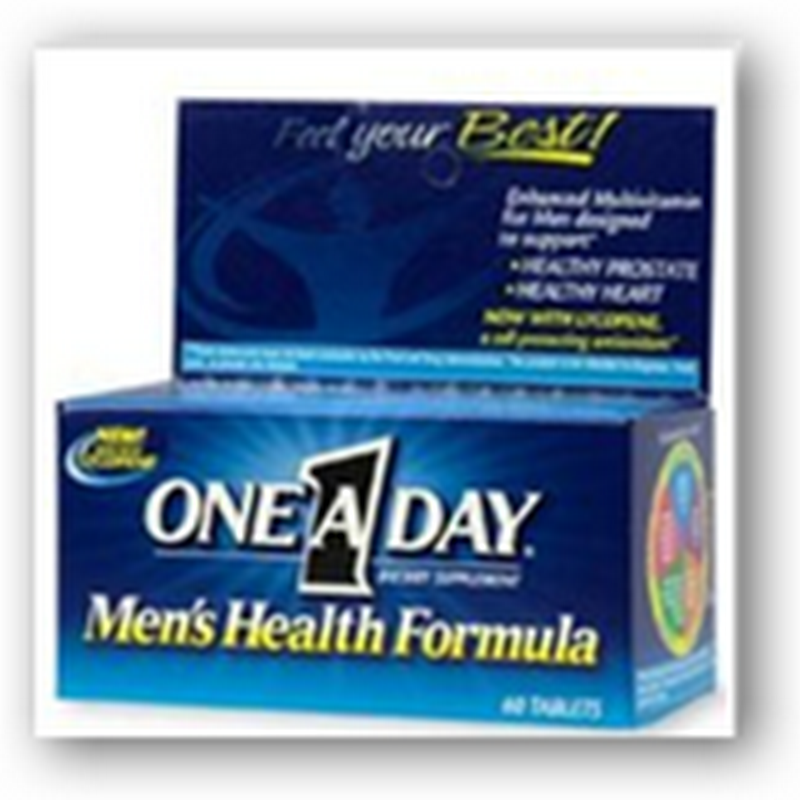
Bayer Is Sued Over Labeling Stating It Helps Prevent Prostate Cancer – One A Day

These stories are interesting to read, but until you doctor recommends it, I would stay with the standard scientific tests we have today and when you watch the video above the dogs are graduating too up to detecting other forms of cancer.  BD

Man's best friend may cement his position if early results from French researchers can be replicated. A team of researchers from Tenon Hospital in Paris reported Tuesday at a San Francisco meeting of the American Urological Assn. that dogs can be trained to detect the characteristic odor of unique chemicals released into urine by prostate tumors, setting the stage for a new way to identify men who are most at risk from the cancer. If developed, the test might be more effective than the PSA test now used because it would have fewer false positives.

In 66 tests, the dog was correct 63 times. There were three false positives and no false negatives. That is, the dog correctly identified all the specimens from prostate cancer patients, but misidentified three from healthy men.

The whole training process took about a year, Cornu said, and the team is already training other dogs. The researchers are now attempting to identify what specific chemicals the dog is reacting to in hopes of developing an "electronic nose" that wouldn't require treats and potty breaks.

Dogs can potentially sniff out prostate cancer, French researchers say | Booster Shots | Los Angeles Times

Family Spends $200,000 To Have Their Entire Genome Mapped

The father says he should not eat fish and both parents learned they have inherited dangers of blot clots.  You can listen to the video and see what they have to imagesay.  The kids seemed to be more impressed with the fact that they may get Alzheimer's disease later in life. 

The family said they received no medical counseling here and are making their own conclusions.  One comment made is that the parents stated they will probably be using more pharmaceuticals, interesting.  If you want to read and see more about how individuals are working with the information, the link below has some videos from George Church and the other first 10 participants to be sequenced and how they are looking at the information they received.  BD

Personal Genome Project – Webisodes on How It All Came Together


Entire Family Maps Its Genes - ABC News