92648

Facial Recognition Moves Into Advertising–Many Questions Regarding Use in Healthcare With Privacy Considerations And Those Who Will Use the Data for Risk Assessments

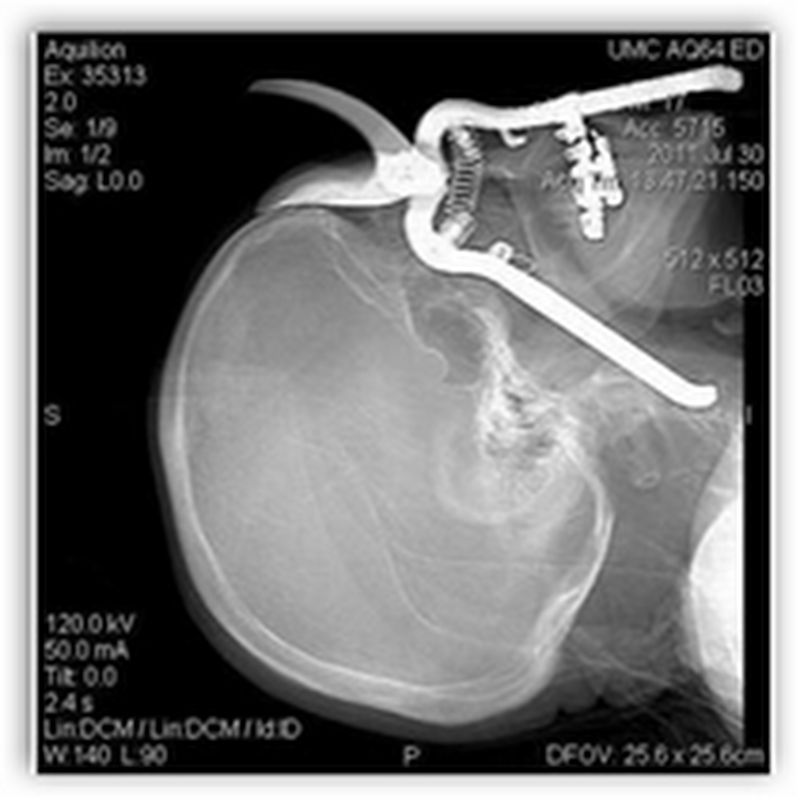
Here’s one more step closer to having even less privacy upon more industries using facial recognition.  I read through this article and advertisers are using it to recognize age ,etc. to present ads that would appeal to age groups based on their face with the software doing the work and cooking up the ads.  It could be ok but in imagethe one example let’s say I wanted to look at shoes and I am in my 50s and it shows me shoes that my age group would normally buy or wear.  What if I wanted shoes that someone in their 30s would wear?  Am I SOL here?  On the other hand if I wanted shoes that someone my age would wear then maybe not so bad.

Keep in mind the software stores and build profile too depending on how it is designed and installed so your profile gets added and again when we look at what’s on the web, i.e. Facebook you could be matched up.  So your location looking at ads would go to a data base somewhere.  Are we all going to have to wear masks in the future for privacy?  I’m sure the next level will be able to penetrate any old mask we could drum up if you look at where technology is today.

Back on the healthcare side, the one attorney quoted here makes some very good points in referencing use at or around an abortion clinic.  Now we know what happens there and the loose cannons out there running around that have killed doctors so we don’t need to give them any more fuel in that area for sure.  He also references a cancer treatment center and yes the last thing a patient would want is having yourself identified and gee, if tied to Facebook, well there you go if you are still opted in to their software. 

Do you want this in the hospital too?  RFIDs can take care of finding patients pretty well in that area.  The article talks about Kraft Foods in a supermarket being used so it can figure out the type of ad that needs to jump out at you in order to get you to buy.  Well, well…I can see what’s coming here with competition with food products and someone tying in the healthy foods and lawsuits to follow for unfair competition arising. I also wonder how long before Facebook would want to tie up here too and connect you online, could happen as they can already pick you out of a picture posted on Facebook that someone else has posted if you are in it. 

Prevent Facebook From Suggesting Your Friends Tag You in Their Photos Using Facial Recognition

The main point made here is do you really need everything as such recorded?  I agree with that and how people use it is a big question as there are always those imagewho will use the information in a risk management arena.  Can you imagine in a clinic with it connecting to Facebook, let’s say if you were still opted in and you wanted to have a confidential visit without it going to an insurance company or are you going to get targeted ads for diabetes or high cholesterol based on your face?  All the educational information is good but let’s face it, we will get very tired in a hurry of all the “force fed” stuff that is good for us and attraction is always so much better

I don’t have a problem with law enforcement using it to track down criminals and make the world a safer place by all means but if it shows up on every street corner like we have cameras now, who’s going to be the keeper of the data and who’s going to analyze and how many mistakes are they going to make as well.  Remember too this will create more data for sale and someone is going to want to buy it for analytical purposes.  Again, I have said before those folks need to have a healthy reseller’s license fee and pay taxes on what they sell and disclose to who.

Privacy Wanted–So Let’s Require Those Who Sell Web Data to Register and Tax the Transactions and Publicly Disclose Who They Sell To With a Federal Registry

By requiring a license and taxes it gives those who enforce the law a leg to stand on and might slow some of this down a bit as we obviously can’t stop it, but one small infraction and lose the license or go to jail maybe? 

Google used their heads with facial recognition and decided there could be more potential for harm than good and quietly put it away, a good move on their part. 

On the other side of the coin we have insanity at HHS with a contest for a Facebook app for disasters (not recommended for riots).  What’s up with this contest with paying 50k for an app to help people in case of a disaster?  Do they want everyone to give up what privacy they have left?  Sure plug in to Facebook facial recognition and gather and sell more data?   Not for me as my cell phone could give a signal to find me in case of an emergency. 

HHS Seems To Be Confused on Social Networks–Facebook for Disaster Support Contest, Give Me a Break Use Twitter Like Everyone Else Does

Time will tell if people can use their heads about using facial recognition but I fear as long as the lure of selling data and making money is so alive and well, people will do unscrupulous things with the technology, so removing the profit and cutting down profile marketing today is one thing that should definitely be looked at.  Crap we already have FICO credit ratings fleecing the public with algorithms they said that can take your credit score and determine whether or not as a patient if you will take your prescriptions, so right there with risk assessment and the belief that their analytics can do this is one big huge mis match and use of data analytics.  They have over sold this in order to make money and create data base profile to sell about you, don’t be fooled.  This is think is part of what Google may have considered when they opted out of this. 

 So watch out for the over selling of analytics by all means and will the data addicted profitmaking analytics folks abuse this with combining your facial profile with credit scores next?  If they can make a buck they probably will try to figure a way to sell it.  So keep your ears open and if you here that facial recognition combined with your credit score is going to used to do a risk assessment, you were warned here first as the fleecing of US citizens with mismatched data is big concern for all of us.  I’m not particularly fond of all of this but I am finding out when going back and reading my archives from the last 2-3 years, sadly the abuse potential that I predicted is now here and I don’t like it either and sometimes lose sleep seeing the potential before it happens. 

Data Analytics make us smart and do so many good things but again when it comes out to running a math formula and quoting stats to someone who can’t tell the difference between reality and the numbers (and this happens in other places too all the time) you may get fleeced. 

Risk Assessments should be up for audits and credibility verifications by all means and the sooner the better.  BD   

FICO Analytics Press Release Marketing Credit Scoring Algorithms to Predict Medication Adherence–Update (Opinion)

Picture this: You stop in front of a digital advertising display at a mall and suddenly an ad pops up touting makeup, followed by one for shoes and then one for butter pecan ice cream.
It seems to know you're a woman in your late 20s and, in fact, it does. When you looked at the display, it scanned your facial features and tailored its messages to you.
Once the stuff of science fiction and high-tech crime fighting, facial recognition technology has become one of the newest tools in marketing, even though privacy concerns abound.The commercial applications of facial recognition are in contrast to those being used by law enforcement to identify specific individuals. Companies, at least at this point, mostly just want to pinpoint a demographic based on age and gender to tailor their ads.

The technology works by digitally measuring the distance between the eyes, the width of the nose, the length of a jawline and other data points. Law enforcement agencies that use facial recognition — as was done during the recent London riots — compare the measurements against photos in databases.
But for most marketing uses, the measurements are compared to standardized codes that represent features typical of males and females in various age brackets.

Privacy advocates worry the technology is one more way for companies to quietly gather data about people without their permission or even knowledge. In June, Facebook Inc. rolled out a facial recognition feature worldwide that could pinpoint individuals. It was used to automatically identify friends when you uploaded photos of them onto the social network.
When members realized this was happening, many loudly objected, calling it creepy and invasive. The feature still exists, but the company apologized and made it more clear how users can opt out.

David C. Thompson, an attorney at Munger, Tolles & Olson who specializes in privacy law, said the use of facial recognition can catch and expose people during very sensitive moments of their lives, such as going to an abortion clinic or a cancer treatment center.
"The problem is that there are things we do that we don't need a permanent record of," Thompson said. "I don't need other people to know where I've been and what I'm doing."

HIE California Cal eConnect CEO Tenders Her Resignation – HIT Executives in Healthcare Face Non Working Complex “Proof of Concept” Regulations–Taking It’s Toll

This really is a big deal that needs attention and recognition as this won’t be the last and it has not been the first.  Far more than any other industry “proof of concept” is alive and well and this is not to say that all of the concepts are bad, not so as we have a ton of good stuff out there, but the complexity of the “concept” changes so rapidly that those making regulations don’t take or are not allowed enough time to go beyond the “concept” and sometimes we get a lot of “half baked” technologies out there.  We are still only human and with budget cuts with hospitals and healthcare facilities all around the US, these folks are in a Catch 22 situation with goals to reach and flat out not enough time and money.   See the link below where Dr. Halamka spells it out.  In healthcare we are still human bodies and not just merely a “concept”, right?  I don’t think anyone will disagree with me on that one. 

Dr. Halamka Speaks About Health IT–“CIOs are on Overload” and It Would be A Blessing to Stall Off ICD-10 to 2016 - The Straw Breaking the Camel’s Back

Some of the problem issues lie though with administrators, executives, and so forth living off this “proof of concept” theory when in fact we have seen it time and time again in Health IT, it doesn’t work in the timelines they predict nor is there enough time to education and bring everyone into the fold, and thus some of the higher positions in this industry are experiencing a fall out.  As a human being, you need to have a feeling of accomplishment with what you do, and when that is diminished to the point to where such goals can’t be attained, up comes the white flag. Here’s another white flag recently announced.  These people have to be able to function and have that feeling of accomplishment.

Health Insurance Exchange Chief at HHS Announces He Will Be Leaving–Who Wants That Job, Really…

To make matters worse, we have side shows, like this one with HHS running a contest for a Facebook application for 50K to use in case of an emergency, (not recommended for riots) and what kind of importance does this have – NONE.  This is the result of folks without some hands on IT experience trying to show they are doing something and it is not that they are bad people, but more or less the folks missing the cue here with no hands on experience and little or no participation themselves with consumer Health IT.  It is what it is. 

HHS Seems To Be Confused on Social Networks–Facebook for Disaster Support Contest, Give Me a Break Use Twitter Like Everyone Else Does

It comes around to those folks in executives positions that are the “non participants” but feel they have expertise to tell everyone else what they need?  I don’t buy it for a minute and it is really showing today in the news right and left if you look for it.  The reality here is somebody just got marketed and doesn’t know the difference of what it needed and what is not and that is the vulnerability of those in executive positions that don’t participate and try some of this out themselves in the consumer areas of Health IT.  So, no wonder you are starting to see so many white flags coming up as they get this nonsense thrown on their desk to deal with as well.  I hinted around over a year ago for some role models at HHS and we still don’t have any yet that talk about their use with Consumer Health IT, so again this is what leads to so many of the side shows with technologies that are maybe better left for another time and are in fact just that, a side show to give the effect that something is cooking. 

HS National Plan to Improve Health Literacy – Not Going To Happen Until We Focus on Using Technology (The Tool for Literacy) Which Includes Role Models at HHS And Other Places in Government

Just keep in mind these are still humans in these positions and when it gets over bearing to what can be accomplished, or if they find themselves in a position that has demands past their own levels of participation, it’s time to jump out of the pressure cooker for those having to coordinate with others who are pushing the “proof of concept” reality only.  Heck I would leave in a heartbeat too if I was boxed into that corner and we will see more. 

Besides this area, we have insurers who have figured out with their subsidiary companies they have bought this last year how to turn HIE into a profit making business so add that on to the mission here and so how do the non profits exist with steroid marketing so make a buck in this area? I post a lot of those types of informative posts and I usually label them “subsidiary watch” as we do get confused today with the long daisy chains of subsidiary companies being formed, but remember they all put profits down to the bottom line of the overall corporate company.  The doctors really are in a spot today as they get new lower contract from insurers, and then the corporate conglomerate gets to market them with more software to keep what’s left and a report recently came out that the average cost of the red tape administration costs an MD about 83K a year, so gee why are they not jumping for joy here, I think we can figure that one out easy enough.

Subsidiary Watch-Corporate Conglomerate Insurers Reduce Compensation Contracts Using One Subsidiary Then Market Same MDs With Another Subsidiary in Health IT

So in summary due to all the mergers and acquisitions and marketing angles faced today that are far from what was set up a few years ago with changing algorithms too, expect more to throw in the towel and give up, because we have created a non win situation here to where that feeling of accomplishment has been lost with overwhelming, over taxing and demanding too much seems to reign as king, again coming from so many “proofs of concept” that have yet to be proven. 

Another one bites the dust and this is the reality of what we have built and what we have today and the sad thing here too for one last item is that we are losing a lot of good people.   If we could only get this work in Congress with some white flags though we could be miles ahead in that area <grin>.  BD  

EMERYVILLE, CA - Effective August 18, 2011, Carladenise Edwards will be leaving her post as President & CEO of Cal eConnect, Inc., the non-profit, public benefit corporation created to develop California's imageelectronic Health Information Exchange ("HIE") in cooperation with California's Health and Human Services Agency (CHHS). Dr. Edwards will continue to serve the organization as a Senior Advisor. Dr. Edwards served as the State HIT Coordinator in Georgia when she was recruited to come to California to jumpstart the State's HIE efforts.

"Dr. Edwards has done a great job getting our "start-up" company off the ground in a complex and uncertain environment," says David Lansky, Co-Chairman of the Board of Directors of Cal eConnect and President and CEO of PBGH. "Launching a new organization of this caliber in such a short timeframe has been an enormous accomplishment.

Dr. Edwards plans on spending valuable time with her husband and two young children before embarking upon her next major project.

http://myemail.constantcontact.com/Cal-eConnect-CEO-Steps-Down.html?soid=1103933566095&aid=Wg5qeOJSgcA

The “Poor’s” Free Ride is Over For Those on Medicare and Welfare –Jon Stewart (Video)

This is good, Medicare and Welfare folks are “irresponsible animals”, you have to listen to this one.  Of course let’s not ignore our “digital illiterates” that serve in Congress that come out with these less than intelligent accusations.  I always wonder how they feel when they see themselves on TV with this rhetoric? 

image

They think they are all playing Jeopardy, and well in a big way they are, jeopardizing all of use with their ignorance instead of using new technologies to become smarter and make better laws and Wall Street beats them over the head and leads the illiterate around by nose, in the news every day.  The problem is us poor people still have some skin and we need to pay more as we control 2.5% of the nation’s wealth!  Good numbers Jon and GOP can’t do math at all:)  He says the numbers say they need to take all the poor’s money to meet the budget.  We’re bad because 99% of us have refrigerators too <grin>.

IBM Watson Capabilities Being Pitched to Financial Industry-Congress Must Not Have Felt They Needed This So Further Behind We Fall With Effective Intelligent Lawmaking

The default topic, i.e. something they understand is always abortions and there’s nothing bigger that draw attention to their digital illiteracy than this topic and they don’t seem to even care how they look in the public eye.  Is this the top level of intelligence we can expect from here on?   Earlier today I posted about Chickens for Check ups being back too, really, bring a chicken to the doctor…digital illiteracy exonerated for sure.  BD 

Digital Illiteracy Still Plagues Law Makers–Severe Focus on Abortion Rights Proves It–Is This Where Our Lawmaking Knowledge Leaves Off or Even Begins? Scary…

HealthVault Can Be Used As a Platform for Healthcare–Innovation Without Collaboration Part Two

The reason I call this part two is that for a couple of years I wrote about the Common User Interface for medical records which is also still out there and free for the taking and nobody bit on it, but rather we have many different and some complicated interfaces today for medical records. I can’t remember who, but someone on Twitter a while back said we needed a common user interface for medical records and I pointed out the Code Plex site and said it was there, free for the taking, but few bit, with the exception of a doctor I talk with in New Zealand who did quite a bit with it and I have written about Graham on here a couple of times.  I even had a professor from Germany that I chatted with a while back who wrote a medical records system and thought it was something he might want to explore. 

Innovation Without Collaboration Is Fouling Up The US Healthcare IT System–We Need Both As We Can’t Stand on Innovation Alone

It was funny back in 2008 when I was at HIMSS working to promote tablet PCs and I loaded up the predecessor to the CUI on the unit and walked around with it as all the medical record vendors asked “who’s system is that” and I had to explain it was a

MSDN electronic records
demo I picked up at a TechNet Dot Net meeting:)  It used Windows Foundation before Silverlight was really out there.  That was back in the days when using a tablet still put one in the “goober” category and look where we are today just 3 years later with tablets.  The video to the left shows what the demo looked like. 

Electronic Medical Records of the Future

Anyway, it looks like we are back once again to the same old thing here and Sean from HealthVault took time out to post about how HealthVault is free and available with no advertising and a heck of a lot of code and security already built in to let all know it’s available, so I am passing the word along. 

HealthVault Begins Storing Medical Images (Dicom) Using Windows Azure Cloud Services With Full Encryption

I rant here all the time about the gluts of software, especially in the mHealth area that appears almost daily and gee why not save some coding time and efforts, and make it easier for consumers and doctors to tie this all in.  HealthVault also takes advantage of the “Direct” program and was one of the first out of the barrel to write an interface.  One huge advantage here is the connecting of all the devices that are out there, as who in the heck wants to use several different software programs, I don’t and I can safely say consumers don’t want multiple software connections either. 

HealthVault-Setting Up Consumer Email Address For Secure Messages Using Government Direct Project

Who’s going to write a ton of additional code and run up the tab?  It’s what we are doing and as he points out grant money is getting tight as other items for Health IT these days, so reinvent the wheel and shovel out more money without even talking a look?  I don’t write any more but given a choice of some free code with all the built-ins available or start and write an interface from scratch?  No I would not start from scratch and would certainly take advantage of what was out there for fee by all means, and I like the security built in and that too is part of the reason I happened to stay with a Windows phone but that’s another story for another time and you can search and find that post here too. 

So much of the time key executive individuals who have never written a stick of code can’t see this value and today I sit back and read and research the web for this blog and I see it all over the place and it’s expensive too.  Don’t feel bad though have have an entire Congress full of folks that don’t get it at all the they are supposed to make laws to govern it.  FYI, this is where the creative technologists and the CIOs come in real handy as they get it for the most part and know what technologies work with others, that is if they are not over whelmed and over worked to the point to where they have time to help you. 

Even our US CTO occasionally gets carried away with his pep talks with trying to entice developers to “get rich” and help the country with writing code, but we all know that’s not going to happen and again I wish I could see more of a collaboration focus instead of being stuck on “innovation” as we don’t lack there at all, but we do need to do much better in the collaboration area.  Patients and doctors would love it. 

I think the 80% factor Sean mentions as re-plumbing is pretty accurate as again just researching and reading what various software and device companies put out there, kind of validates it.  Why do you think we have so much software out there that nobody uses on the consumer side?  One other quick item comes to mind too and that was the Surgeon General’s PHR which the developers actually did a pretty good job with the API and it went nowhere too, so again something to think about here. 

So what’s the plan here, spend a lot more money and write tons of code to further fragment what we have out there, or maybe think about at least taking a look at free resources that are there to build on.  BD 

Everything we’ve built into the HealthVault platform was created to help developers create connected health experiences --- leaving researchers and innovators free to focus on the novel parts of their work instead of all the plumbing necessary to healthcare. Just as a sampling:

Development on HealthVault is completely free. There is no charge to users, developers or enterprises to connect to HealthVault in the US. There is also no advertising on the system and we have strict terms of use that restrict Microsoft from looking at or selling data stored in the platform.

Privacy, security and compliance are baked in. HealthVault has undergone a ton of internal and external penetration testing and auditing. We have a fully HIPAA-compliant model for interacting with clinical systems, can sign BAAs when appropriate, and are registered with the FDA as a Class 1 medical device. So taking applications into real use is WAY easier that starting from scratch.

Home monitoring devices are already hooked up. More than 70 off-the-shelf home care devices are already connected to HealthVault using HealthVault Connection Center on a PC – and many more that share data with HealthVault through web or wireless connections. So if you want to experiment with blood pressure, glucose, pulse oximetry, weight, ECG, peak flow or heart rates and fitness, you’re ready to go. And if you want to connect a new device directly to HealthVault, there’s an API for doing that too.

Linking to clinical systems is simple. Much of what we do is move data between clinical systems. There are a bunch of patterns for matching patient identities to office systems for this purpose. HealthVault can automatically read and return data in the CCR and CCD (that link is kind of old but a good intro; note we now do data reconciliation automatically) formats that are quickly becoming the easiest way to exchange data with EHRs. We also fully support the Direct secure messaging protocol as another option.

HealthVault supports novel and extensible data types. HealthVault can store full-fidelity DICOM medical images, and allows users to burn them with viewing capability to CDs and DVDs. We have data types for genetic SNP data. And of course all of the clinical and fitness types you could ever think of. Then again, if you do think of a new one --- you can store that too, or extend an existing one.

Mobile development is a snap. Connecting mobile device platforms like iOS, Android and Windows Phone is completely supported with API libraries for each platform.

HealthVault is already connected to many data sources. HealthVault isn’t just about devices and manually-entered data. Users can connect their records to major pharmacies and labs, more and more hospitals and practices, use services that digitize paper records, etc.… so you can do research that uses data without having to figure out how to acquire it all from scratch.

All of this is super-important for research work. Grant money and coding talent is scarce, and I cringe whenever I see somebody presenting research that is 20% new stuff and 80% plumbing that's been done over and over before. By standing on top of HealthVault, smart folks can do more good work and try things that otherwise might have seemed out of reach.

http://blogs.msdn.com/b/familyhealthguy/archive/2011/08/18/healthvault-as-a-platform-for-research-development.aspx

Chickens for Check Ups Is Back–Tom Coburn

All you can say here is “out of control”.  Mr. Coburn might need to retire and again I talk about this quite a bit but we seem to be seeing more and more of digital literacy or the lack of becoming such an issue with lawmaking.  When they don’t understand or investigate some new imagemethodologies for making laws, it goes back to blame and these spasmodic rants, and I think that is what this is.  Mr. Coburn is a doctor and again he’s a bit out of control.  He also voted to end Medicare, and this is where the “Check ups for chickens” comes back in, bring a chicken to the doctor to pay for your office visit?   Here’s the original link on bringing a chicken to the doctor that ended up haunting another hopeful GOP candidate in Nevada in 2010. 

If You have Problems Paying for Your Healthcare “You Could Bring A Chicken To the Doctor” (Video)

Visit msnbc.com for breaking news, world news, and news about the economy

Congress need technology to make laws and get the required research information and hopefully they will see this soon, in the meantime it’s chickens for check ups once more.  BD 

IBM Watson Capabilities Being Pitched to Financial Industry-Congress Must Not Have Felt They Needed This So Further Behind We Fall With Effective Intelligent Lawmaking

http://www.msnbc.msn.com/id/26315908/vp/44197900#44197900

Life Technologies BioTech Laying Off Employees in Carlsbad and Other Locations–Life Science Company Impacted As More Investors Chase Social Algorithms

Well the world is somewhat speaking in a certain way of wanting more social algorithms than research in life sciences it seems today and this is one more casualty.  We have new expensive cancer life prolonging drugs but can’t get enough of the generic chemotherapy drugs that do the work and save lives, so the it seems we have some real priorities mixed up in the world today.  I have covered quite a bit about Life Technologies and they make that small desk top sequencing machine for one.

Life Technologies Debuts Ion Torrent Machine-Cheap Genes at $500 for Single Sequence

Life Technologies Launches New Sequencing Analysis Software For The Cloud

You can read the comments below, tells it all….life sciences experiencing lower demand from both academic and government funded research sources in both the US and Europe. I’m sure there’s some really talented people here affected and I guess their future is to go work on social algorithms as it seems we are trying to somehow base an entire economy on that factor these days with a government of leaders that are too digitally illiterate to see it and the fact that we need balance of both algorithms and companies “who make something tangible” in order to create jobs and recover the economy…denial of the algorithms that ate New York City might be a good movie title here for what is taking place.  BD 

Biomedical products giant Life Technologies said Thursday it is laying off employees in response to slack demand.

Carlsbad-based Life Tech makes gene-sequencing instruments and biotech research tools. The company employed about 1,300 people in Carlsbad and 11,000 worldwide before the layoffs. The company declined to specify the number of layoffs or where they occurred.

Life Tech has been hurt by "macroeconomic" trends, CEO Gregory T. Lucier said in a July 28 conference call with Wall Street analysts.

"Consistent with what others in the life sciences tool space have seen, we continue to experience lower demand from academic- and government-funded researchers in the U.S. and Europe," Lucier said.

http://www.nctimes.com/business/article_33d6c1b5-886f-5297-bf63-8c6ef29322bb.html

Insights from the ER Trailer–UCSD Trauma Center–Emergency Medicine Can Transform Other Areas of Healthcare (Video Trailer)

This  a trailer from the Worrell Company that believes that emergency care can be imageused and is the stepping stone to transforming other areas of healthcare.  The trailer looks interesting for sure and it was created in San Diego.  2 points for southern California here. 

If you check out the website they are a design company that no only consults in healthcare but other industries as well.  When you look at the image below, you may recognize the “raisin” medical device system which I have posted about here a few times.  Anyway this looks good fro what is shown on the trailer and I’ll have more to come soon.  BD 

image

Insights from the ER

The Patient with a Presence Who Is Active in Healthcare But Needs the Tools (Bonus Video)

Here’s another video on one of their other studies about education and the doctor-patient relationship with devices.  The example here is a patient with an implanted imagedevice, treat the patient as part of the solution is the key here.  This video reminds me of the efforts of ePatientDave as it says a lot of what he talks about and some of his frustrations.  What platform is going to be there, what design can everyone live with…software designers are you listening here…stop with the glut of over abundance and design better, please….

Design we can all live with

This great as if they can get rid of those tons of mHealth applications that do “one thing only” that would be great!   The patient in the video is a blogger too!  We live in a “cold world of consumerism” in the words of the doctor in the video.  This video talks collaboration which is what we need as innovation without collaboration is fouling up the healthcare system, and I blogged that a while back:)

Innovation Without Collaboration Is Fouling Up The US Healthcare IT System–We Need Both As We Can’t Stand on Innovation Alone

At any rate stay tuned for some additional information on the Insights from the ER video as it becomes available.  BD 

The trailer for Insights from the ER, Worrell's upcoming film to be released Fall 2011. image

“Insights from the ER” explores next-generation health information technology and pushes us as a healthcare community to reach for a more patient-centered future based on the principles of emergency medicine.
Worrell is an international industrial design firm in Minneapolis and Shanghai. Through innovative design, we’re working toward a patient-centered future for healthcare technology.

http://www.youtube.com/user/worrelldesign

Hacked Insulin Pump Draw Attention As 2 Congressmen Ask GAO to Investigate-They Should Fund the FDA For Some Additional Engineers While They Are At It…

If you missed the story, this was a consumer hacker, not a lab who was able to hack the insulin device.  This goes to what I keep saying in technology to slow down and get the security right.  How many more hints and visits from Anonymous and others do we need?  I do have to say this inquiry is much better than trying to wrangle the FDA into a new set of rules here as I think they know what they have to do, problem is money and enough resources. 

FDA and Medical Devices-Who Doesn’t Get This, They Are Looking for Engineers Just Like Technology Companies Are Doing- Get Some Congressional Digital Literacy in Place

What I found somewhat bothering in the article was the response from Medtronic as being dismissed – don’t do that and it should be a warning for all insulin pump makers to take another look as you are only as good as the next hacker that comes along and there are a lot of people in this world who are not nice who could in fact do something that is not ethical.  I have always said that sometimes devices, and this one is wireless, get out there before a multiple debug has taken place.  We all know that everyone does their best but when it comes to software running medical devices get all the testing, amateur and professional that you can get your hands on today.

Black Hat Convention Diabetic Technologist Proves Security Holes With Mobile Medical Diabetes Pump Devices–Hacking Possible and Security Focus Needed

With what has been occurring in the “hacking” business of late, I think it’s time we slow down a bit and get the security right in Health IT before we keep working on new functionalities and by nature developers don’t work that way.  It’s boring and time consuming to work on the security end and not as exciting, but if we don’t do it sufficiently, it comes back to bite.  How much hacking have we read about???

It’s all about those algorithms, good ones, secure ones and so forth to counteract the bad algorithms. 

Actually too, I think all medical devices should at least register with the FDA to allow the agency to make a decision as to which ones need to be cleared and that way they are not blindsided on what in heck is out there.  Registration of a device should be a simple process to fill out and update medical software/device information let’s say once a year as if the device and software change, then it may require clearance if more capability is added with updates too, keep that in mind as everything changed today rapidly.  Let the FDA have a registry so they are not caught blindsided. 

FDA Mobile Medical Applications NPRM From the FDA–Register All With Categories and Create New Classification for “Clone Apps”

Last but not least, don’t cut the funds of the FDA and get them the engineers they need to make this happen too, as our representatives in Congress owe it to us to work harder at becoming digitally literate and we don’t see very much of that today and it’s showing more every day, just look at the popularity polls when foot in mouth disease accelerates, and the FDA can’t find a cure those folks sadly, but I wish the agency could.  BD 

IBM Watson Capabilities Being Pitched to Financial Industry-Congress Must Not Have Felt They Needed This So Further Behind We Fall With Effective Intelligent Lawmaking

Radcliffe found that he was able to hack his own pump and alter it to respond a stranger's remote control. The report got a lot of attention and even garnered a response from med-tech giant Medtronic Inc. (NYSE:MDT), which dismissed the threat as being purely theoretical, since malicious software attack on a medical device has yet been reported.

"In bringing forward innovative wireless technologies and devices for healthcare, it’s critical that these devices are able to operate together and with other hospital equipment, and not interfere with each other’s activities and data transmissions," Eshoo and Markey wrote in their letter to the GAO. "It's also important that such devices operate in a safe, reliable, and secure manner."

Minneapolis, Minn.-based Medtronic, which ranked 5th on the MassDevice Big 100 list of the world's largest medical device companies, seemed skeptical of the Radcliffe's anecdotal evidence, saying that his direct access to the pump and remote device as well as his conscious decision to turn on the wireless feature of the pump were beyond the type of access a hacker could reasonably have.

http://www.massdevice.com/news/insulin-pump-hacker-gets-federal-attention-reps-ask-gao-investigation

Verizon Striking Workers Will Lose Medical Benefits on August 31st if Strike is Still On

Verizon made over $6 billion last year and the concessions the company is asking for is $20k per worker which included freezing of employee pensions.   Cobra insurance will be available but we all know that is expensive.  According to the video they company had over 100 concessions on the table.  It would be a different story if the company was not making such big profits.  We also in California have a union situation at Kaiser where a re-vote is to take place to determine which union will represent around 45k employees there and their profits are also in the billion area so both labor situations taking place at very profitable companies. BD

Kaiser Permanente Union Vote With 2 Competing Labor Groups Will be Rerun for Another Vote As Ordered By National Labor Relations Board

NEW YORK (CNNMoney) -- Tens of thousands of striking workers from Verizon Communications will lose their medical benefits if they're still picketing at the end of the month, the telephone service provider said Wednesday.

"I can confirm that the 45,000 striking Verizon workers did receive a letter confirming a provision in their 2008 contract that stated in the event of a strike, medical benefits would be suspended on Aug. 31," said Verizon spokesman Richard Young.

The 45,000 union members have been picketing since Aug. 6 to protest the concessions that Verizon is trying to get from its employees. Those concessions include the elimination of two paid holidays, the freezing of pensions, the alignment of pay raises with job performance, and the union's contribution of $100 per employee towards health care premiums.

The strikers are saying that Verizon, which reported a profit of $3 billion so far this year, isn't sharing the wealth and doesn't need to belt-tighten employee benefits.

http://money.cnn.com/2011/08/17/news/companies/verizon_strike/

General Dynamics To Buy Vangent Federal Health IT Contractor

The price tag was just under a billion, so IT infrastructure is not cheap if you have not already figured that out.  If you remember Cash for Clunkers, that was created imageby Vangent.  As military contracts become smaller or non existent, defense contracting companies are looking to fill the pipelines elsewhere.  Vangent employs more than 8000 individuals across the US and a few in the UK. 

Some of the investors who currently own a majority stake in the company at Veritas look to cash in here.  Back in September of 2010, Northrop Grumman, who does a lot of work for HHS, was bracing for layoffs and were exploring their options as well.  BD

Defense Contractors Focusing on Software Assets with Cut Backs With Defense Spending–More Health IT Software Houses

Vangent

Falls Church-based General Dynamics said Tuesday it will pay close to $1 billion to acquire Arlington-based Vangent, a federal contractor that specializes in health care services.

The deal comes as defense contractors, anticipating reduced Pentagon spending, particularly on large equipment, look to diversify. Many are seeking to expand their information technology practices in areas expected to grow, including health care and cloud computing.

Vangent, which is majority-owned by private equity firm Veritas Capital, is to become part of General Dynamics Information Technology, which already has a portfolio of health IT work. General Dynamics said its board already has approved the $960 million transaction, and it is expected to close by Oct. 1.

http://www.washingtonpost.com/business/capitalbusiness/general-dynamics-to-acquire-arlington-contractor-for-nearly-1-billion/2011/08/16/gIQAHHKkJJ_story.html

FDA Approves Roche (Genentech) Skin Cancer Drug–Zelboraf

Cancer drugs certainly are not cheap and for a year, this one is right up there with Provenge in cost with over 100k if it was prescribed for a year.  The diagnosis part of $150 is the easy financial part of this.  In the clinical trials though it was noted that some patients become resistant to the drug.  The approval came earlier than anticipated from the FDA based on the strong clinical data.  BD 

U.S. drug regulators approved a targeted skin cancer drug from Roche Holding, offering new hope for patients with the deadliest form of imagecancer after years of few options.

The U.S. Food and Drug Administration was two months ahead of schedule in approving the drug, under the brand name Zelboraf, along with a companion diagnostic test that identifies which patients have a specific genetic mutation that means they will benefit from the treatment.

Zelboraf was developed in partnership with Daiichi Sankyo and is the second drug to be approved for melanoma this year, after Yervoy from Bristol-Myers Squibb

Roche said Zelboraf would cost about $56,400 for a six-month course of treatment in the United States. Bristol's Yervoy costs $120,000 for a course of treatment. The diagnostic test will cost around $150, according to Paul Brown, president of Roche Diagnostics.

Side effects from Zelboraf include rash, slight hair loss, extreme photosensitivity and joint pain. Roche filed for U.S. approval of the drug in April and the FDA had to make a decision by Oct. 28. Reuters reported on Aug. 10 that an early nod was likely.

http://www.cnbc.com/id/44178560?__source=RSS*tag*&par=RSS

HHS Proposes Regulations to Provide Clearer Health Insurance Information for Consumers–It is Possible with all the Algorithms Used by Carriers?

I just wonder how this will work as we have so many legal clauses today that have to be met and algorithms are used for profits too with insurers setting parameters to be met based on a risk assessment, so with those in mind, and they can be imagecomplicated too, is this a reality of having clearer health insurance information available that is both legal and useful?  I think the algorithms for computations drive this and those would have to be adjusted to concur, otherwise we have legal battles over the working with information left out, right? 

I do agree the side by side comparisons, such as those used on the HHS site do make it easier but again with dealing with all the complicated parameters of insurers today that reflect immediately back to a “profit” operating business model can both a simpler format of a policy and covering every detail be possible?  How about the coding that shows what something will cost, that’s not simple at all. As best I can figure there will have to be some type of a click and go fill in form to calculate all the variations and that’s not simple and we are back to more time and efforts to calculate all of it.  When contracts are changed, this throws a whole monkey wrench in a lot of areas too with drugs covered added in.  I like the idea here but don’t think in today’s complex world that it may fly although we might see a lot of improvements though, but it won’t be a cake walk.  BD 

WASHINGTON — Proposed regulations released Wednesday would require health insurers to provide clear, concise and consistent cost information about individuals' policies in easy-to-understand language.

"It's providing better information upfront," says Sandy Praeger, Kansas insurance commissioner. "This will be really important when the exchanges come out if you want to make side-by-side comparisons."

The regulations would require insurance companies to present information in a standardized format. One section answers questions — for example, "What is the premium?" or "What is the deductible?" — with the price and an explanation of the term.

Insurers haven't complained, Praeger says, because they knew the changes were coming.

"They just need to have enough advanced warning, which I think they will; they're making changes to forms all the time," she says.

http://www.usatoday.com/money/industries/insurance/2011-08-17-health-insurance-rules_n.htm?csp=34money&utm_source=feedburner&utm_medium=feed&utm_campaign=Feed%3A+UsatodaycomMoney-TopStories+%28Money+-+Top+Stories%29

Aetna Spent Just Under a Million in Lobbying in the 2nd Quarter of 2011

This is actually a drop compared to last year but still a big chunk of money and you can read below it was not just Congress who was lobbied, CMS, HHS and the White House were in there too. Aetna has purchased several Health IT companies in the last year so this might add more fuel to the fire for marketing efforts as now imageyou have insurers who negotiate cheaper reimbursement contracts on claims now having a subsidiary coming in and offering algorithms and software services that require an addition expenditure to those (hospitals and doctors) who just suffered a decrease in payment, an opportunity to buy more analytics so they can help keep what’s left after the cuts. 

Aetna is not the only insurer doing this as United Healthcare has also been even more aggressive with their purchases of subsidiary companies over the years and has been doing it a lot longer and sometimes even licenses and sells those IT capabilities to other insurers and you can maybe think back to the out of network Ingenix data base that Cuomo exposed a few years ago that lead to a big class action settlement with the AMA and doctors all across the US.  Here’s one example of an Aetna Health IT purchase below, in the HIE area here which in some areas competes with the non profit HIE program efforts.  BD 

Aetna to Acquire Medcity-Health IT Connectivity Vendor-Former CEO Takes Position on Board at Boeing

WASHINGTON - Managed care company Aetna Inc. trimmed its federal lobbying spending in the second quarter, as it focused on bills that shape parts of the health care overhaul, including one that asks the Supreme Court to expedite an appeal over its constitutionality.

The Hartford, Conn., insurer spent $902,453 in the three months that ended June 30. That's a 42 percent drop from the $1.6 million it spent in last year's second quarter and a 17 percent decline from 2011's first quarter.

The overhaul also imposes restrictions on insurers, and Aetna lobbied on one of those, a minimum medical-loss ratio that took effect this year.

The overhaul calls for insurers either to spend certain minimums of the premiums they collect on care and quality or to provide rebates to consumers. Aetna lobbied on a resolution expressing disapproval of that regulation and on a bill that would exclude broker compensation from the formula used to calculate those ratios.

Besides Congress and the White House, Aetna lobbied the Centers for Medicare and Medicaid Services and the Department of Health and Human Services.

http://www.cnbc.com/id/44176794?__source=RSS*tag*&par=RSS

Dr. Halamka Speaks About Health IT–“CIOs are on Overload” and It Would be A Blessing to Stall Off ICD-10 to 2016 - The Straw Breaking the Camel’s Back

This a great interview with both the vocal and the transcripted text at Anthony Guerra’s Blog, HeatlhSystemCIO.com.  If you are in Healthcare IT and/or research and write about it, the truth comes out here.  I attend a few conferences and conventions and what Anthony reports here from Dr. Halamka is true.  You can just enter industry related conversations (which is some of what I have done) and if you read people and see the struggles in preparing the “best” answer of the day with their responses, it’s all there.  Back in December of 2010, I attended this conference and spoke to some big hospital and other healthcare CIOS and the stress was as plain as day with trying to do everything that is one their plate with meeting deadlines and these were some of the most brilliant and fast working CIOs around.  Actually it was probably a nice break to attend a conference. 

CIO Confidence In Meaningful Use Drops-The New Left Curve of Technology That Arrives Daily Contributes-Don’t Burn These Folks Out

Here’s another past post at the Quack on the same subject. 

Meaningful Use-Money And Data Being Thrown Every Which Way To See What Sticks With Limited Expertise And Not Enough Time at the Top to Lead a Full Debugging Process

Sometimes you have to get out in the real world and get a taste of what’s going on outside the internet and you can’t absolutely embrace everything as it comes down the tubes with the projected due dates, it just can’t work.  The paragraph below from the interview with Dr. Halamka sums it up perfectly.

“It’s just that as I survey the country, CIOs are overwhelmed and Meaningful Use has taken the bulk of their attention, along with lots of new compliance issues. So, when you say, “Well, where are you on the ICD-10 project?” they’ll say, “Oh my god, you know, we haven’t started. We aren’t really planning. We just can’t find the resources to do it.”image

I just had this conversation with someone in the financial area a few days ago reiterating how healthcare CIOs are burning out.  When you listen to Dr. Halamka talk about his time and how he allots it, he’s lucky he doesn’t need a lot of sleep.  I like the talk too about ACOs, “everyone doesn’t know what it is, but they want to be one”, and that is the truth as about as bluntly and accurately as you can get, reality.  Back on the CIO topic we don’t know for sure but it’s probably a good bet we burned out the US CIO too.  I have some correspondence with a few CIOs too  and they are all maxed out and it’s becoming a very “thankless” job just due to the fact that not many understand what falls their wings these days with technology. 

Vivek Kundra-US CIO To Resign And Take Fellowship at Harvard-Was He OverTaxed And Burnt Out, If So That is Allowed Today As This A True Reality for CIOs All Over the US

The“back door deals” that happen outside the knowledge or consulting of the CIO is beginning to happen more frequently and without a CIO that ties imageeverything together, companies end up spending tons more than needed and sometimes areas of security are left untied, so the CIO needs to be included and consulted with and not to the point of burning them out either, and I am starting to see some of that with complicated IT infrastructures. 

In addition, public CIOs are also feeling the heat too with Medicaid and a while back I asked if this bubble was going to break as insurers bring down what they pay doctors and hospitals, and yet the Health IT expense side keeps getting bigger with aggregating and adding new algorithms to software, and of course those all needs standards and so forth. 

Healthcare Reform Putting Additional Pressure on Public and Medicaid CIOs-The Health IT Bubble Gets Closer As Money And Digital Literacy is Scarce

The health IT side is getting more time consuming and costly and that’s why the insurers are buying up IT companies, for the money, but the customers who ultimately pay (doctors and hospitals) for Health IT software and services have shrinking incomes.

How is this going to work when doctors and hospitals can't afford it and the Health IT expense as it goes beyond stimulus bonuses?  In the interview Dr. Halamka says you just cut back and do less, no choice.  He also states like I have said to, slow down. I approach it a lot from the consumer software that is such a glut out there, stop writing mHealth apps that do one thing and work together and collaborate and stop tossing software out there that few or nobody uses, after all someone gets paid to write it and the odds are pretty good that the people who create the gluts of software, never use it themselves.  Recently I saw HHS with a bee in their bonnet with a Facebook software contest, give me a break.  image

You know you just cannot jump on every tidbit of technology that jumps out there today and have to be wise to determine if it is for you along with a ton of other items to look at and think if you do this as a consumer, just imagine what the CIO does and all the responsibility that goes along with it. 

This is very much worth listening too and Dr. Halamka stresses “engineer for the little guy”.  Anthony says this is Chapter one so I’ll be sure to tune in for Chapter Two when it comes out as well.  BD 

… you look at the complexity, the regulations, the compliance, the infrastructure, the cloud, the mobile devices, et cetera. And boy, 2011 represents a different world for CIOs than it was 10 years ago.

If you think about being a healthcare CIO right now, you have the 5010 deadlines (Jan. 1, 2012), ICD 10 (Oct. 1, 2013), you have Meaningful Use Stages, 1, 2, and 3, you’ve got a swirl of compliance and privacy issues, and then you have healthcare reform. It’s not as if all of this is happening tomorrow, but it is certainly happening in the next 24 months. And so, yes, I better have some increased flexibility in that next 24 months to deal with these challenges.

The question will be what is the scope of Stage Two? And that’s where there may be some controversy because, as you look at some of the proposals around the level of patient and family engagement, it’s all extraordinarily forward looking, good stuff, it’s just how much can you do and how fast.

I really believe that, at the moment, there is too much change, too fast, and ICD-10 is the straw that breaks the camel’s back.

Resources, well, all we have to do is pick up the paper today and I hope your stock market portfolio is doing okay (laughing). But from 2008 to the present the economy has not been so robust. So wage growth and position growth has been pretty limited.

So, if time is fast and resources are scant, your only choice is to reduce scope. And so, we really have to deal with governance bodies, ask what are our highest priorities and what can we do well and what should we not do. And hence, the reason why I’ve said, “Let’s temper the amount of work we’re doing.”

So, I actually have direct reports at community hospitals who I have to help achieve Meaningful Use. And so, I actually live the community hospital experience every day

http://healthsystemcio.com/2011/08/16/john-halamka-m-d-cio-beth-israel-deaconess-medical-center-chapter-1/