Sutter First in Nation to Use 3D Next-Generation Robotics System for Joint Replacement – Helps Get the “Right” Fit

The ROBODOC surgery system was approved by the FDA back in August of 2008 and Sutter Hospitals in northern California are the first to use the new 3D robotic imageworkstation for a hip replacement.

DigiMatch(TM) ROBODOC(R) Surgical System Receives U.S. FDA 510(k) Marketing Clearance

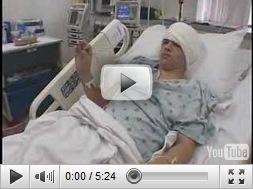
Knee and hip replacements are really going high tech and the ROBODOC system with the ORTHODOC software system allows the surgeon the opportunity to do a virtual surgery with various different replacement devices, not only to practice the procedure, but to use 3D modeling to find the best “fit” for the patient too, so no longer a guess with additional information to use for decision making.   Here’s what preparation for surgery looks like, supplied from Sutter Hospitals. 

image

The robot in action:

image image

The virtual replacement procedure on screen……….

 image image

image image

A look at the 3D visual software screens. 

image

Some of the tools used during knee and hip replacement procedures almost look like something out of Black and Decker. 

image 

Press Release:

SACRAMENTO, Calif. – Eighteen years ago, orthopedic surgeon William Bargar, M.D. made history when, at Sutter General Hospital in Sacramento, he performed the first-ever hip replacement using a robotic device he developed called ROBODOC®, which improves precision in joint replacement surgery. Warren Roberts of Davis was among Dr. Bargar’s first patients; in 1995, he underwent replacement of his left hip as a part of an FDA study using ROBODOC®.

On Wednesday, May 26, Dr. Bargar made history again as he performed joint replacement surgery on Roberts’ right hip at Sutter General Hospital with the new-generation ROBODOC® Surgical System, recently approved by the FDA for total hip arthroplasty procedures. The new ROBODOC® Surgical System, which provides a higher level of precision and accuracy than is possible with the conventional technique, is the only “active” robotic system cleared by the FDA for orthopedic surgery.

The ROBODOC® Surgical System is a proven technology that has been used in more than 24,000 procedures worldwide. But this procedure on Roberts marks the first commercial use of the device in the United States since FDA clearance. Sutter General will become a demonstration site for ROBODOC® as it begins to be used by other surgeons throughout the United States.

Although Roberts’ hip replacement was performed 15 years ago, his left hip is still working well, demonstrating the longevity of the surgical procedure and implant.

“It was like being born again,” said 68-year-old Roberts of the first ROBODOC® surgery. “The years of pain fell away. From day one of the surgery I was feeling great.”

Roberts, the former superintendent of the UC Davis Arboretum, had his left hip replaced due to osteoarthritis from an injury suffered in Peru during a stint in the Peace Corps. This past year, his right hip began affecting his mobility, forcing Roberts to use a cane. His right hip even hurt during swimming, and Roberts was forced to discontinue the exercise.

“I’m excited about this new surgery with ROBODOC®,” said Roberts. “I’m looking forward to having matching hips.”

ROBODOC® provides significant advantages for hip and knee joint replacement surgery that benefit the patient, physician and hospital.

“ROBODOC® is able to perform the surgery more precisely than the usual manual technique, and this is a tremendous asset for the patient,” said Dr. Bargar. “We are always striving for more precision because it means better mechanics and performance for our patients.”

Dr. Bargar, who has two degrees in engineering, says, “It has been my passion to bring the precision of the engineering world to the practice of orthopedic surgery.”

The advantage that ROBODOC® provides to patients undergoing hip replacement surgery is in both the pre-planning stages of the surgery and during the preparation of the bone to receive the implant.

The current conventional technique for planning hip replacement surgery uses plain radiographs (X-rays), which provide only 2-D data. Therefore, they are subject to magnification and rotational errors, which can cause less precision in the surgery.

image

When using the ROBODOC® Surgical System, the surgeon first plans the surgery on a computer workstation, called ORTHODOC®, using 3-D data from a CT scan of the patient. The surgeon selects the type and size of implant best suited to the patient on the computer and then positions it in the desired orientation by manipulating an image of the implant using the mouse. This so-called “virtual surgery” allows the surgeon to try different implants and orientations to obtain the best fit for the patient. The final computer plan made by the surgeon provides information that is then loaded onto the ROBODOC® device in the operating room on the day of surgery.

During conventional hip replacement surgery, the surgeon prepares the surfaces of the bone for the implant by hand. The surgeon uses hand tools that include broaches, mallets and power reamers, which do not always provide the desired fit and position of the implant.

During the actual surgery using ROBODOC®, the robot precisely mills the bone surfaces, ensuring the exact fit and position of the implant based on the pre-operative plan. Using ROBODOC®, the surgeon can be assured that the final bone preparation matches the pre-operative plan exactly.

image

It is important to note that during the ROBODOC® total joint replacement procedure, the surgeon maintains complete control of the robot as it executes the patient’s plan. The surgical results provided by ROBODOC® are exactly what have been planned. That’s because the ROBODOC® Surgical System provides consistent reproducible precision in every procedure due to its unique active robotic technology.

“I am happy to make history again,” said the patient, Roberts. “ROBODOC® is Sacramento’s contribution to the medical world.”

About Sutter Medical Center, Sacramento

Sutter Medical Center, Sacramento, which received recognition for being ranked in the top 10 percent in the nation for orthopedic surgery and joint replacement surgery by HealthGrades, has a dedicated and organized joint replacement program called the Sutter Joint Replacement Center. The surgical teams at this center perform more than 1,100 hip, knee, shoulder, ankle and elbow replacement surgeries every year. This is the largest joint replacement volume of any hospital in Northern California. Sutter Medical Center Sacramento outcomes are recognized among the highest throughout Northern California.

About Curexo Technology Corporation

Curexo Technology Corporation develops, manufactures, and markets an image-directed surgical robotic system for orthopedic surgery. The ROBODOC® Surgical System includes two components; ORTHODOC®, a 3-D workstation for preoperative surgical planning, and the ROBODOC® Surgical Assistant, a computer-controlled surgical robot utilized for precise cavity and surface preparation for hip and knee replacement surgeries. The ROBODOC® Surgical System is the only active robotic system cleared by the FDA for orthopedic surgery. To date the system has been used in over 24,000 combined TKA and THA surgical procedures worldwide.  ROBODOC®, ORTHODOC®, and DigiMatch™ are registered trademarks of Curexo Technology Corporation. For more information, visit www.robodoc.com.

Medical Tourism In Israel Growing As US Citizens Explore Cost Comparisons

This is another area of healthcare that keeps coming up in conversation as well as US citizens and those from other countries exploring alternatives.  Here in the US, cost is the driving factor.  There are even methodologies being developed for easy access to information via a software application.  The only downside to traveling to Israel is not the country itself, but rather the relationships with neighboring countries that might be seen as something of concern. 

Medical Tourism Will Have An Application Soon – HealthTraveler for Medical Resources image

Not too long ago in the news, Canada too, who sometimes has issues getting their own citizens taken care of and pays for procedures here in the US, is also trying to figure out how to get into the business.  They may have a further stretch at this as again, they are needing to ensure their own are taken care of first. 

Former President of the Canadian Medical Association Thinks British Columbia Should Start Thinking About Medical Tourism

Last year when I attended the World Medical Tourism conference for a day I spent a bit of time talking with representatives from Israel and I do have to say compared to others represented they were well on their way to promoting further services and were right on top of it.   I tried to soak up all the information I could with various conversations with the different countries represented. 

World Medical Tourism Conference 2009 – A Learning Awareness

“Israel was very much represented and I have to say they had a lot to say and show.  The website, Global Health Israel, has quite a bit of information about tourism in Israel.  The Assaff Harofeh medical center has hyperbaric chamber treatments for patients with wounds that do not otherwise heal.  This was something I had not seen yet myself.  Israel is known for their technology in healthcare and other industries, and I’ll use Intel as an example as their “think tank” offices provided much of what we use today.  I didn’t expect anything less from Israel.” 

If a couple were looking at IVF procedures, you can read below to see there’s a substantial difference to what is paid here in the US.  In my conversations with the representatives from Israel I found procedures too that were not currently approved and available in the US.  So far insurance does not cover traveling to other countries, but as healthcare reform continues to churn here, who knows what we will see next.  Also at the conference there were a couple US insurers present and I spent a bit of time listening to their presentations last year and the message conveyed was that “they were listening” and a big concern for US insurers was to make sure all the legal gaps were covered before they would venture further. 

Haiti Field Hospital – They Came Prepared Complete with Electronic Medical Records

When we think back to the earthquake disaster in Haiti, Israel was first on the scene with setting up portable hospitals and placed all patients seen in an electronic medical records system.  You can use the link above which contains more information and a video to show how they were set up almost immediately.  BD 

For many people, the idea of traveling to Israel invokes images of sacred synagogues, trips to the Western Wall and moments of personal religious reflection. image

Medical tourism — in which patients travel to other countries for medical procedures — has,  in some form, been around “for centuries,” said Jonathan Edelheit, CEO of the Medical Tourism Association, an organization that helps promote international medical travel.

But over the past five years, advances in technology and medicine combined with growing health care costs in the United States have caused interest in the practice to skyrocket, with no signs of slowing down.

Procedures performed in Israel cost, on average, 50 to 70 percent less than they do in the United States. Bypass surgery in Israel costs approximately $35,000 — in the United States, the same procedure runs about $120,000.

Israeli doctors, hospitals and universities have also become highly respected both in the medical community and among patients, through the development of new technology and Israel’s state-of-the-art facilities.

Unlike most countries, the Israeli government covers IVF procedures for two children for couples who are having difficulty conceiving. Their success rate is, by some measures, as much as 15 percent higher than other parts of the world. And the cost difference is staggering: an IVF cycle in Israel costs between $3,000 and $4,000, as compared to $16,000 to $20,000 in the United States.

“We send the proposal to a few people in Israel who specialize in these operations, then they respond directly to the client,” Hod said.

For the most part, facilitators do not charge patients, but rather work off commissions from Israeli hospitals.

Medical tourism is not currently covered by most insurance companies in the United States, but some are looking to incorporate the option into benefit packages.

“Companies that have a lot of Jewish [employees] or Israeli people have a reason to offer medical treatment in Israel,” Steiner said. 

Medical Tourism Thrives in Israel | Travel | Jewish Journal

Kaiser Permanente and Their “Giant” Genome Project Gets Underway – NIH Grant With Work in Progress

Many members of Kaiser have been asked if they want to participate in this study, and the results of which are going to be used for genomic research.  The information when all culminated will contain information without any personal data included.  Actually the request for donations started back in 2008.  This is to be imagethe largest study of it’s type. 

All patients had to do to participate was to spit into a container sent to them by mail and return it to Kaiser.  As the article states though, participants will not have the ability to see their results as again this is being done to allow scientific analysis and not necessarily for patient treatment at this point.   Kaiser was given a grant of $25 million from the NIH to conduct the project as part of a stimulus package. 

Additional members will be asked to contribute later as they intend to build a repository for blood samples, in other words when patients come in to have blood word done, they will be asked if they want to participate and give a DNA sample at that time.  The processing of the DNA has all be set up to be “robotically” processed and it further states here that 2500 samples can be tested per week, pretty amazing number.  As mentioned here too their biggest fear is a power failure as the cost per each individual analyzed is around $10,000.  BD

This month, researchers at Kaiser Permanente in Oakland and the University of California, San Francisco began the highly automated, large-scale process of analyzing that DNA, which is being extracted from tens of thousands of saliva samples donated by Kaiser members in Northern California since 2008.

Each sample of ordinary spit is laden with cells containing the volunteer’s entire set of genes, their genomes, which carry in sequences of DNA the coded instructions for building and maintaining life. The hope for this so-called genome-wide association study is that, when the genes of people with diseases like cancer and multiple sclerosis are compared with the genes of those in good health, computer analysis will pinpoint genes responsible for the illnesses. 

Following instructions found in a kit mailed to her Oakland home, Mrs. Young deposited the requested spit into a special plastic cup. She sealed it with a blue lid fitted with a built-in preservative and sent it back to Kaiser. Along with her saliva, the samples from the other 130,000 people began arriving in Kaiser’s mailbox.image

However, the study has begun just as some scientists have started to question the value of these experiments, and when private ventures, like 23andMe, are struggling to find a consumer market for gene tests.

David B. Goldstein, a Duke University researcher, said he believed “interesting and valuable information” would come from the Kaiser study, but he questioned whether it was the most efficient way to gather information about the genetic links to disease. “It’s an awfully expensive study,” Dr. Goldstein said in an e-mail message.

In the coming years, 400,000 more members will be asked to contribute their DNA to the project when they come in for routine blood work. Kaiser is spending $9 million to build a repository for the blood samples.

At the Kaiser research lab, a production line of robotic equipment has been set up to process the 130,000 cups of saliva that have been mailed by patients and stored, at room temperature, in racks of cardboard “pizza boxes,” 50 cups to a box. Here, the robots draw out a sample of spit, and chemically process it to extract the donor’s DNA.

At Dr. Kwok’s ninth-floor lab, three sets of robots prepare the DNA samples shipped from Oakland. The full complement of DNA from each volunteer is washed over a custom-designed silicon chip about this size of small fingernail. Microscopic wells etched into the chip are each engineered to pluck out one of 675,000 possible gene variants.

“Our biggest fear is a power-failure,” said Dr. Kwok. Each array, filled with 96 processed DNA samples, costs $10,000.

From Californians’ DNA, a Giant Genome Project - NYTimes.com

Telemedicine Working in Prisons And With Oil Rigs to Provide Video Visits with the Doctor – Not Just for Developing Countries

Due to what is going on in the news today with oil rigs today everyone can relate to having a doctor remotely available for workers far out away from land.  As the imagearticle here discusses there are many levels of technology that can be used from simple low resolution web cams to more expensive set ups.  Our governor in California participated in checking out what one HMO is doing here recently. 

Cisco Systems and Molina Healthcare HMO Announce Telemedicine Pilot Program – Long Beach, California

A couple weeks ago we had Planned Parenthood using telemedicine with dispensing and counseling young women with their choices and using the webcam to verify that the pill had been taken. 

Planned Parenthood Uses Telemedicine Web Cam to Dispense Pills and Consult with MD

Not to be left out, Verizon is also working with Cisco and UnitedHealthGroup has invested several millions of dollars in the technology as well, beginning last year. 

Verizon Telehealth Service Teams Up with Cisco – Video Consultations Unveiled

In addition to the basic telehealth webcam visits, some hospitals are using a combination of robots and the telehealth connections.  In Orange County we have one hospital that was accredited due to having a telemedicine robot available.  The robots of course are using some high resolution cameras and have diagnostic hardware that can be used like a stethoscope that can send your heartbeats over the web to a physician.  One patient had cancer inside their mouth and the camera on the robot was able to identify it to the doctor at the other end. 

Robots at Work in Orange County Hospitals – California

The video below shows how the robots are being used at UCLA and give you an idea how this functions.  In California, prisons are investing in telemedicine as this makes sense, anywhere where you can’t have an on premise physician available telemedicine can step in.  Granted it will not take the place of in person visits all the time but it certainly has it’s place. 

Below is a video showing how a visit with a doctor works with an oil rig employee and the physician.  Get your web cam ready to go.  BD 

Spurred by health care trends and technological advances, telemedicine is growing into a mainstream industry. A fifth of Americans live in places where primary care physicians are scarce, according to government statistics. That need is converging with advances that include lower costs for video-conferencing equipment, more high-speed communications links by satellite, and greater ability to work securely and dependably over the Internet.

“The extreme pain strongly suggested a kidney stone,” Dr. Boultinghouse said later. A urinalysis on the rig confirmed the diagnosis, and Mr. Martin flew to his home in Mississippi for treatment.   He could, though, get in touch with a doctor thousands of miles away, via two-way video. Using an electronic stethoscope that a paramedic on the rig held in place, Dr. Oscar W. Boultinghouse, an emergency medicine physician in Houston, listened to Mr. Martin’s heart.

Mr. Martin, 32, is now back at work on the same rig, the Courageous, leased by Shell Oil. He says he is grateful he could discuss his pain by video with the doctor. “It’s a lot better than trying to describe it on a phone,” Mr. Martin says.

Although telemedicine has been around for years, it is gaining traction as never before. Medicare, Medicaid and other government health programs have been reimbursing doctors and hospitals that provide care remotely to rural and underserved areas. Now a growing number of big insurance companies, like the UnitedHealth Group and several Blue Cross plans, are starting to market interactive video to large employers. The new federal health care law provides $1 billion a year to study telemedicine and other innovations.

NuPhysicia uses equipment in the middle of that range — standard videoconferencing hookups made by Polycom, a video conferencing company based in Pleasanton, Calif. Analysts say the setup may cost $30,000 to $45,000 at the patient’s end — with a suitcase or cart containing scopes and other special equipment — plus a setup for the doctor that costs far less.

Dr. Boultinghouse dismisses such concerns. “In today’s world, the physical exam plays less and less of a role,” he says. “We live in the age of imaging.”

Some rigs have saved $500,000 or more a year, according to NuPhysicia, which has contracts with 19 oil rigs around the world, including one off Iraq. Dr. Boultinghouse says the Deepwater Horizon drilling disaster in the Gulf of Mexico may slow or block new drilling in United States waters, driving the rigs to more remote locations and adding to demand for telemedicine.

Working with Dr. Boultinghouse, Dr. Davis and other university doctors conducted more than 600,000 video visits with inmates. Significant improvement was seen in inmates’ health, including measures of blood pressure and cholesterol, according to a 2004 report on the system in the Journal of the American Medical Association.

In March, California officials released a report they had ordered from NuPhysicia with a plan for making over their state’s prison health care. The makeover would build on the Texas example by expanding existing telemedicine and electronic medical record systems and putting the University of California in charge.

Healing by 2-Way Video - The Rise of Telemedicine - NYTimes.com

China Continues Push for Basic Universal Healthcare – Presidential Statement

It is interesting to hear and see what is being done in other countries from time to time and in China the President wants to ensure that all citizens have at least some basic coverage.  In 2008 WellPoint opened offices in Shanghai and UnitedHealthcare recently purchased a company in China to promote Chinese businesses and imagebring both drugs and medical devices from China to the US and other countries in the US, which may not be read good news for our US companies, but some of them also have factories and production centers in China or joint ventures like Medtronic. 

UnitedHealth subsidiary (Ingenix Subsidiary I3) Acquires ChinaGate – Working to Sell Chinese Products Globally

Taiwan has also begun placing hospitals in China at the end of 2008.  What is also interesting is the poll taken in 2009 with Chinese trusting our western drugs over those that are produced in China. 

China Trusts Western Drugs over Chinese Pharmaceutical Companies

At the end of 2008 China announced the original plan with universal care; however there are still many of our US insurers with interests there, such as Aetna, United and Wellpoint.  Cigna is also connected to sell and offer supplemental health insurance in Shanghai, so even with a basic universal plan US companies are working at building their next source of revenue in China.  BD 

China Looking to revert back to Universal Health Care

BEIJING, May 29 (Xinhua) -- Chinese President Hu Jintao has asked governments at different levels to endeavor to ensure all urban and rural residents to be covered by basic health care service, a key livelihood issue in the country.

Hu, also General Secretary of the Communist Party of China (CPC) Central Committee, made the call at a group study of the members of the Political Bureau of the CPC Central Committee on Friday afternoon, said a statement issued on Saturday.

The political bureau members held discussions with two research fellows - Rao Keqin from the Ministry of Health and Ge Yanfeng from the State Council's Development Research Center - who made speeches on the issues of China's heath care reform and global health care development.

In his speech, Hu also called for more efforts to establish a national system of essential medicines, enhance health care service at grassroots level, and advance the pilot reform of state-owned hospitals.

Chinese president calls for universal basic health care

FDA Alert Product Recall Intravenous Products From Claris Lifesciences Also Marketed Under the Names of of Sagent, Pfizer and West-Ward - Contamination

 imageTwo of the drugs are in the antibiotic area and one other is used to treat nausea relating to chemotherapy treatment and post surgery.  Luckily enough most of these products are in hospital pharmacies but they could also be used in outpatient surgical centers and offices as well.  Recalls are a bear and we definitely need a better way to handle this.  Claris is located in India and manufactures a number of drugs used to treat critical patients and health issues so this appears to be pretty important as the last thing a patient needs is contamination in the drug that is supposed to be helping.  I will continue on here with my latest pitch to have such products marked with “tags” so they are not missed and used by mistake with being able to scan with a cell phone for recall notices.  

Microsoft Tags – Microsoft MSDN Posts Ideas from the Medical Quack About Use in Healthcare!

I have been pitching this for use for products in the USA, but with the number of imports, there’s certainly no reason why this can’t be carried through to other countries too perhaps with the US FDA being the center focal point.  BD 

“Claris Lifesciences is one of the largest sterile injectables pharmaceutical companies in India with a market presence in 76 countries worldwide. We primarily manufacture and market products across multiple markets, and therapeutic segments. A significant majority of these products are generic drugs that are capable of being directly injected into the human body and are predominantly used in the treatment of critical illnesses.”image

Healthcare professionals should NOT use and should immediately remove from their pharmacy inventories any metronidazole, ondansetron, and ciprofloxacin intravenous bags sold under the following labels:

  • Claris
  • Sagent Pharmaceuticals
  • Pfizer
  • West–Ward Pharmaceuticals

Claris is initiating a recall of all lots of these two products, as well as all lots of ciprofloxacin. These products were all manufactured on the same manufacturing line. FDA is investigating the situation and will notify the public when new information becomes available.

Claris is initiating a recall of all lots of these two products, as well as all lots of ciprofloxacin. These products were all manufactured on the same manufacturing line. FDA is investigating the situation and will notify the public when new information becomes available.

Metronidazole and ciprofloxacin are antibiotics used to treat a variety of infections. Ondansetron is an antiemetic used to treat nausea and vomiting associated with chemotherapy or surgery.

FDA Public Health Alert: Healthcare Professionals Warned Not To Use Certain Intravenous Metronidazole, Ondansetron, and Ciprofloxacin Due To Contamination

We Don’t Need Any More Medical Records Systems – Code For Cures And Move Over to Life Sciences To Hack Genes

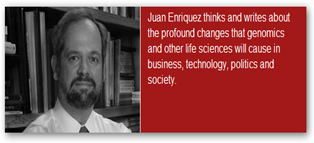
This point was made by Juan Enriquez, managing director at Boston-based Excel Venture Management, and a director at biotech Synthetic Genomics Inc. and I agree with him.  I look at the “glut” of software in healthcare not only from the medical records side of the business, but also the analysis side with business intelligence imagetoo.  I am not saying any of this needs to go away by any means as we need it all today, but let’s work on and define what’s already there and make it better, which is what development of software is all about anyway.  Certainly there will be some new developments with unique types of software aggregators and other innovations too that will arise and that will continue, but for the basics needs and systems we have, let’s not flood the market even more. 

The point he makes about “coding is coding” is right on the mark.  I used to code and wrote a medical records system and thus my background on coding and after a couple years of selling and continued development I made the choice to get out of it as it is more than one programmer can handle today as everything began to move to the web and away from the desktop and that statement there will give you a bit of a time element as to when I stopped.  The skills I learned though are used today and you see this “slant” at the Medical Quack if you are a regular reader here.  I also have over 20 years in sales and marketing, thus as Bill Gates referred to earlier this year about “hybrids” I am a “hybrid sort” that works to combine and discuss the best of both worlds, sales and the coding side of the business. 

A couple years ago when genomic reporting was relatively new, it made sense to me as it is more code, different languages, but same thing, code.  Back in Augusts of 2008 I was invited to interview and discuss genomics with Dr. Patrice Milos from Helicos and this was my first time actually discussing in depth what sequencing was all about and I was also flattered with her comments too in saying “it’s all about the software” and she was actually looking forward to talking about it from the”coding” side versus one more clinical interview.  Of course, both come into play for sure but we were discussing the roots of how it begins, in other words how the coding mechanics make genomic studies possible.image

Helicos BioSciences and Personalized Medicine - Featured Interview with Dr. Patrice Milos

“One area we both strongly agreed upon is the use of software, from a data person like myself and with Dr. Milos with her area of research, we both absolutely concur that software is what makes all of this possible.”

A couple years ago I was able to play around a bit on a Surface table at Microsoft in “folding proteins” and granted I didn’t know all the infinite details here, but understood what was behind the colorful strands appearing on the screen and how the code works here. 

If you look around here a bit, I also talked with Rosetta Genomics on a pretty complicated subject of microRNA for testing for certain types of cancer and again it’s all about the coding and software used to bring the information and intelligence to life.  It’s more coding and with my software background I try to bridge the complicated side of what’s happening and use the sales portion to hopefully present information in “layman's” terms so everyone can get something out of each post.  I have posted Juan’s TED speech from 2009 on prior posts from 2009 and here it is below, there’s a lot of wisdom there. 

One other institute that is interesting to read up on is the Microsoft Trento Research Center.  This is the convergence of biology and computer science coming together to with a new computer language.  Algorithmic systems biology used to benefit both worlds with a new breed of scientists.  We are talking about Life Sciences and more code.  image

Microsoft Research Trento Centre: Biology and Computer Science Coming Together

In summary, I think he’s correct here in the fact that coders are needed in Life Sciences today and with the tremendous amount of knowledge we have today from data that is already there, it is a good thought indeed for coders to forget about creating some new “accounting” software as an example and move on over to Life Sciences.  He’s got this on right on the money and is a very forward looking, smart venture capitalist.  The other day I also ran across an article that stated good venture capitalists out there should also know how to code, or at least have some experience in this area and as you can see from this bulk of this post, it’s not just about selling software, it’s solutions and the “code mechanics” behind all of this that makes it happen and what is driving cures and treatments for disease.  BD 

Developers of mobile applications often focus on trends like checking in, geo-tagging or social gaming, hoping their software coding skills will help them ride the next big wave.

But these coders should be thinking instead about improving the climate on Mars, designing human organs that fend off disease or cloning cattle that produce powerful vaccines in lieu of dairy products.

Many seemed surprised that Enriquez – a top figure in the areas of alternative energy and genome mapping, and a founder of the Life Sciences Project at Harvard Business School – drew a direct parallel between software coding and the hard science of genetic coding.

But coding is coding, Enriquez said.

And he urged the young developers to see the similarities – more than the differences – between software coding and “life coding.”

As coders, you can hack a cell. You program a cell to go after big problems. So maybe your next big challenge will be in life sciences.”

“The only difference is that the kinds of things they’re playing with are little circuit boards made of life parts,” Enriquez said. “You go to your equivalent of Radio Shack, and you buy your little cell system. As you code and decode, you can build things. You can design your own heart. You can build a sheep, or a cow.”

Synthetic Genomics, where Enriquez serves as a director, recently made international headlines with its first synthetic cell, which Enriquez compared to the invention of the first transistor in its capacity to change the world.

Software Coders, Forget Apps - Clone Cattle Instead - Venture Capital Dispatch - WSJ

Dental Implants Using Body’s Own Stem Cells To Grow Them – Regenerative Dentistry In the Works

Ok put me at the head of the line for this.  I have gone through and have dental implants so I know the drill here and what makes this even more fascinating is the fact that the tooth can be grown inside the empty tooth socket, this is amazing.  I have done several interviews with Cook Medical, one of the companies who is in the regenerative medicine business and we talked about how the scaffolds are built.  image

Regenerative Medicine and How it Works – Interview with Cook Biotech (Medical)

There’s a clinical trial in Australia that started with women being able to regrow their own breast too with stem cells.  It’s amazing how fast and powerful this technology is today. 

Regenerative Medicine: Clinical Trial To Begin with Women in Australia Using Stem Cells To ReGrow Breasts – Has Been Successful with Pigs

I am guessing though you need good tooth stem cells?  Maybe that’s a dumb question but I am curious as to how this would work with individuals like myself that were dealt a bad deck of “tooth genes”.  BD 

Conventional dental implants are typically screwed into the patient’s jaw bone, require visits to several types of clinicians, take two to six months to heal, and are still subject to failure. Not exactly an ideal solution to missing teeth. A professor of dental medicine at Columbia University Medical Center, however, has devised a technique wherein implants could be grown in the empty tooth socket, right inside the patient’s mouth.

Dr. Jeremy Mao started with a tooth-shaped scaffold made of microchannelled natural materials, infused with a growth factor. In an animal-model study, he placed that structure in a recipient’s empty tooth socket, then caused their stem cells to home (migrate) onto the scaffold. It resulted not only in the growth of a new tooth-like structure, but also in the regeneration of periodontal ligaments and the formation of new alveolar bone.

Dental implants could be grown inside patients' mouths

Related Reading:

Regenerative Medicine – Material and Cell Based Regeneration of the Human Body
Biomagic "pixie dust" regrows man's lopped-off finger

Dr. Oz Visits a regenerative medicine lab in Wake Forest

The Heart Can Repair Itself – Stem Cells Help Speed up the Healing

Teva To Stop Manufacturing Propofol – With No US Manufacturers Left FDA Approved Import From Europe

If this drug name sounds familiar, think back a short while to Michael Jackson, this was the drug that he had at home, used only in hospital settings and now with Teva, the generic drug manufacturer having stopped production, all US supplies will have to be imported.  Teva actually stopped production in the US in mid April.image

Police and DEA are Looking at 5 Doctors in Michael Jackson Investigation

In addition to FDA issues Teva said they were not making any money and there were recalls last year and there some law suits hanging around.  There is a company that cannot resume selling it in Chicago but not until the FDA approves the changes at the manufacturing plant.  Here’s the history from last year.

Tainted Lots of Propofol Recalled – Generic version of Diprivan

Anesthetics could become in short supply and that’s what is used in surgery to “put us under” as stated below 75% of surgeries in the US involve propofol.  I hope Europe has a big supply to handle this.  APP Pharmaceuticals is the company to fill in the shortages.  BD

NEW YORK - The drugmaker Teva said Friday it won't make any more of its sedative propofol, which could intensify a shortage of one of the most common anesthetics in the U.S.

The drug is hard to manufacture and the company gets little or no profit from it, said Denise Bradley, a spokeswoman for Teva Pharmaceutical Industries Ltd. The company had to halt production and recall some of the drug last year because of manufacturing issues, and it is facing a raft of propofol-related civil lawsuits.

Sodium pentathol might be used as an alternative for general anesthesia, but right now it's extremely hard to get. He said the problem is that many of these drugs are made by few companies, or only one company, so they are hard to replace when supply problems strike

"Probably at least 75 percent of the anesthetics given in the U.S. involve propofol," he said. "It's huge."

The Food and Drug Administration says there has been a shortage of the drug since last fall because manufacturing problems forced both Teva and Hospira Inc. to suspend manufacturing and recall some of their versions of the sedative. With no U.S. companies making the drug, the agency authorized the importation of a version approved in Europe.

Hospira, based in Lake Forest, Illinois, said it cannot resume selling the drug until the FDA approves changes to its manufacturing procedures.

Britain's AstraZeneca PLC developed the brand name version of the drug, which is called Diprivan, but no longer sells it.

Teva won’t make more of powerful sedative - Health care- msnbc.com

More Children’s Medicine at J and J Recalled – We Need Ability to Scan Products With Our Phones - Be Sure to Vote

As consumers this would be nice to be able to scan products and not have to worry about missing a recall post somewhere on the news.   There will be other drug and device recalls too so the sooner we have this capability the sooner we can get our information, not to mention making compliance easier to monitor for the FDA.

 Johnson and Johnson McNeil Healthcare Group Recalls Children’s Over the Counter Liquid Medicationsimage

We need a technology solution that everyone can get their heads around soon. 

FDA Publishes Information on How to Identify Recalls – Why Not Scan That Stent With A Cell Phone and Make It Easy for the Public and Manufacturers To Keep Up, Notify And Automate Compliance

Would I as a consumer like the availability of being able to use my phone to get this information instantly?  You bet I would and I can guess too that clinicians would also welcome using this technology as they could have instant information instead of a lot of extra time in going to the web and performing time consuming research.  We simply are running short of time to do all of this today and I think we should give this some heavy consideration here with improving how and where we find the information we need.  

By the way if you like this idea put a little check mark on the survey to the right and tell us how you feel or if you understand this concept too!  It’s a winner all the way around and would help the DEA as well as consumers too in identifying “fake drugs” too.  BD 

Microsoft Tags – Microsoft MSDN Posts Ideas from the Medical Quack About Use in Healthcare!image

Four children's cough and cold medicines made at a Johnson & Johnson plant shuttered because of manufacturing problems were recalled Friday, a month after different kids' medicines made at the facility were withdrawn.

Blacksmith Brands, which sells the PediaCare cough and cold medicines made at the plant in Fort Washington, Pa., said on its website that it was issuing the recall for precautionary reasons. It said it hasn't received any complaints or reports of side effects connected to the PediaCare products.

The latest recall affects PediaCare's Multi-Symptom Cold, Long Acting Cough, Decongestant, and Allergy and Cold medicines. Blacksmith Brands said it has told retailers to take the four products from store shelves and advised parents to stop

More Children's Medicine Made at J&J Facility Is Recalled - WSJ.com

City of Hope And Doctors Dispute with Law Suits - Board Representation Issues At Hand And Of Course the Money

As the article mentions here there’s a lot at stake with many other hospitals in California sitting by and taking notes to see what the outcome here will be as they imagealso have similar arrangements with contracted groups.  As mentioned below, there’s the question of how many “doctors” will be on the board and one comment below states that there will be “one token” doctor on the board, which in other hospitals there is a bigger mix of MDs with non medical members.  Here’s the original post from earlier this week.

City of Hope Files Lawsuit Against Their Own Doctors – Wants MDs Join For Profit Medical Group & Terminating Nearly All Physician Research Current Contracts

The next big issue at hand is the new foundation that is being created and their stance on independence as the new foundation is stated to pretty much be run by the hospital instead of the actual contracted physicians being separate.   The California Medical Association has come out in defense of the doctor’s medical group in their defense on this item.  One other interesting issue at hand here is reimbursement as Medi-Cal pays higher rates for procedures done at a clinic that the hospital owns so there’s incentive here to keep procedures under the areas governed by the hospital, so one does pose a question here of whether or not procedures should be performed as out patients or under the facilities owned by the hospital too. 

Foundations have had some money issues just every where else in healthcare as 55% of the US hospitals are currently operating in the red today.  If the doctors do not join the new foundation, patients get all new doctors it would appear.  In researching and reporting with the blog here I am seeing many strange things occurring today and they all come back to budgets and money.  Something that struck a strange cord the other day was to see the insurer, UnitedHealthcare, purchase a Chinese gateway company via one of their wholly owned subsidiaries is to promote and bring more Chinese drugs and medical devices to market, which would also stand to serve to drive down the prices of drugs and devices here in the US and could drive some out of business as well.  This is all happening at the same time we are trying to create more jobs and recover our economy. 

Out of all of this I’ll mention that who stands to lose the most is the patient and the type of care received.  We don’t like to hear it but it is starting to happen all over with business decisions are getting in the way of the best care for us, you can’t help but take notice, it’s in the news every day and I get calls and emails from people telling me the same.  If the new foundation does in fact take over it would open up a real hornet’s nest for other hospitals in the state to jump on the bandwagon and try to facilitate the same with the ability to exercise control over the physicians and research we depend upon to take care of us. 

I think when it comes down to working out expenses and care, there’s a better way to collaborate and work together but in today’s hostile healthcare imageenvironment it is a struggle as reimbursement battles are being created where they really should not exist.  BD 

In the vote announced Monday, the doctors group, called City of Hope Medical Group, slammed the hospital for not renewing a contract with its physicians engaged in research, teaching and some specialist work. In its announcement, it also accused the hospital of illegally soliciting doctors away from the group.
The cancer hospital, located in Duarte, a suburb of Los Angeles, seeks to replace the physicians group when the contract expires Feb. 1, 2011 with a new medical foundation the doctors group says will be largely run by the hospital.

Though announced this week, the vote was taken before the physicians group filed a lawsuit earlier this month against the hospital, accusing the hospital of trying to illegally control doctors through the medical foundation.
The hospital promptly counter-sued the doctors group, arguing that it is trying to recruit the doctors legally. The hospital is requesting judicial intervention to block the doctors group from interfering with its plans, and it blames the group for "besmirching" its reputation since talks between the two organizations broke down.

The foundation, headed by hospital corporate chief medical officer Alexandra Levine, would be run by 22 board members, who do not hold medical degrees, and one doctor "as a peace offering," the doctors group said.  And the California Hospital Association, which backs the hospital, said that under California law foundation boards must contain a majority of non-physician members.

Silva said hospital-created foundations can be a way for hospitals to make money from referrals, which they can keep in-system, and which get reimbursed at higher rates by Medicare than outpatient ones.
For instance, Jensen explained, Medi-Cal, California's Medicaid program, reimburses CT scans at $177.47 for independent clinics. But if the hospital owns the clinic, Medi-Cal will pay the hospital $254.56 for the same procedure.

DOTmed.com - Doctors group slams City of Hope in latest round of fighting

Business Intelligence Software Breakdown At Beckman Coulter – Algorithms gone Rogue and Data House Repair

This is a good article to read on how things in the data houses get mangled without appropriate planning, so sometimes those reporting systems you think are really doing the job, are not.  It was so bad that the board of directors could not validate the company financial reports, a dangerous item if you are traded as a company imageon the open market and provide false information either on purpose or by accident.  The Biotech company has also been under the gun with trying to find a new HMO plan for their employees in Orange County, CA as even biotech companies are hit with high health insurance increases. 

Employers in Orange County Looking for New HMO Contracts as St. Josephs and Some Others Begin Cancelling Agreements with Pacificare (UnitedHeatlhCare) – Employer Capitation Contracts

I included a few of the highlights here and you can read the entire article at the link at bottom of the page.  I mainly wanted to emphasize the danger of algorithmic formulas that are not organized and end up reporting information that is not correct and I am guessing that Beckman is not alone in this mess either.  It kind of makes you wonder how much of the financial data we read today is in fact accurate.  As you read here, an outside agency had to come in and audit and of course after the fact, changes were made in the structure and data flow.  How in fact would an agency like the SEC function if they had to audit something like this I wonder and what conclusions could be determined? 

Beckman Coulter sells DNA sequencing equipment and has various areas dedicated to research and development with stem cells, biomarkers, etc. so we definitely want to be sure their data houses are in divine order.  BD 

In more than 15 years of interviewing senior executives about their business intelligence software implementations, I can’t recall hearing about a more badly mangled environment than the tale I am about to tell. And I can’t recall meeting a more candid IT executive than Dawn Conant, director of business intelligence at Beckman Coulter, life sciences instrument maker.

Conant publicly disclosed the company’s trip into a BI rabbit hole, and subsequent escape, at the April 2010 Business Intelligence Summit organized by research firm Gartner.

Beckman has $3.3 billion in annual revenues and 12,400 employees, but beginning in 2001 it created a business intelligence software monster appropriate for a company 10 times its size. Astoundingly, business units created more than 900 Business Objects universes (essentially data marts).

Worse yet, approximately two thirds of them were running directly against a single global Oracle ERP instance or other online transaction processing system. There was no data warehouse to protect the production environment from the analytical sandbox, so imageperformance was awful.

You can predict that there wasn’t a single version of truth. Instead, there were hundreds of expensive versions of guesses. The frustration and confusion went right to the top – the board of directors had called in its own audit team because it couldn’t validate the company’s financial reports.

The rule of thumb frequently provided by the vendors of prebuilt apps is that you should be able to use at least 80% of what is in the box and only have to customize 20% or less. It will come as no surprise that her first piece of advice is to not bank on that level of usability. Instead, carefully match up the code you get versus the functionality you need. “Significant analysis of the code,” is required before you make a commitment, she noted at the event.

Make sure your business users, and especially your experienced report writers, are part of the code analysis team. The IT department won’t know where all the source data problems are, so you better have people on the assessment team who know the black holes.

The bottom line on pre built analytics: They deliver less than you hope but are usually better than starting from scratch.

Lessons From a Business Intelligence Software Breakdown — Datamation.com

McKesson Is the Next Company To Raise Investor Dividends – Does Portfolio Management Mean Better Care?

The CEO says they are committed “to our portfolio” approach with capital development”.  Does this mean that better healthcare and patients get the back seat?  How does portfolio management affect the patient and the care we receive?   We had UnitedHealthCare raising their dividends this week too.

UnitedHealth To Pay Out Higher and More Frequent Dividends to Share Holders, No Caps on Earnings for Executives or What Is Spent on Lobbying Says the Boardimage

Both companies are focused on shareholders, so in view of the current economic times, with 55% of the US hospitals operating in the red, Congress not being able to fund Medicare compensation permanently for physicians, what does all this press do for the average consumer and those working in healthcare?  Where’s the ethics we are all looking for?  No wonder everyone gets the idea that “it’s all about the money” and if patients and doctors happen to survive, well so be it I guess.

Is this also conveying a message that efforts are being made to drive more investors to the companies too as they are looking for more money in view of the already staggering profits being made?  BD  

The Board of Directors of McKesson Corporation at its meeting today approved a change in its dividend policy by increasing the amount of the Company’s regular quarterly dividend by 50%.

The Board of Directors implemented the increase immediately by declaring a dividend of eighteen cents per share on the Common Stock, payable on July 1, 2010, to shareholders of record on June 10, 2010.
“Based on our confidence in our business and future cash flow generation, the Board of Directors has increased the quarterly dividend from twelve cents to eighteen cents per share,” said John H. Hammergren, chairman and chief executive officer. “We remain committed to our portfolio approach to capital deployment, which we believe will create significant value for our shareholders.”

McKesson Raises Quarterly Dividend by 50% | McKesson Corp.

Why Can’t Safety Rules and Laws Keep Up With Biotech – Congress And Others Can’t Keep Up with Technology

How do you create laws to protect citizens in areas where you are not familiar?  That’s a very good question and today members of Congress are being presented with that exact task.  There’s a ton of research to be done by staff members and what also helps is there own participation as consumers to understand how this affects the rest of us, which is something I think is over looked a bit and instead we keep hearing more of “its for those guys over there”.  image

Luckily there are some new technologies on the horizon here as recently seen in the news with creating an entirely virtual “virus” with software, in other words all the properties and the algorithmic processing for research is one on the computer before a “real” virus is created for testing and this would certainly stand to reduce the exposure of those working in biotech. 

We have quite a few members of Congress announcing retirement and why?  It’s complicated as I think today’s leaders are finding it quite difficult to swim in a new stream where old methodologies don’t work, in other words if you don’t participate at least at consumer levels, where do you get your knowledge?  To do a simple comparison who’s going to be able to teach you how to drive a car and be more effective and personal? Would you rather learn from someone who has read books and has never driven a car or would you feel more trust and knowledge coming from someone who drives a car everyday?  This is the picture of what we have going on with the world of the “non participants”. 

“Is This All There is” One Senator Announced His Retirement at Age 54 – A Culture of Nonparticipation (Opinion)

Not only is this true in Congress but we have lobbyists who are retiring for the same reason, old methodologies don’t work the same anymore.  The danger is though is that the new lobbyists use NEW technologies and efforts and with some algorithmic math, they can make believers out of what can be a “pie in sky” and those not familiar buy in, and don’t know why they have bought in to.  We hear that in the news with healthcare day in and day out with one more OMG story banning the headlines.  

Back on track here, how do our lawmakers create laws here to protect workers that are employed by companies using the absolute latest software technologies, and I think we are back to square one, they can’t as the knowledge of what is required is not there. 

if you look at the picture here with the CEO of Goldman Sachs, what technology was used for him to research for the Senate hearings, and mind you Wall Street uses the absolute top of the hill technology everywhere as it means money.  I think he had to do a step back here to work with paper. 

This scientist was not protected and tried to bring an awareness around, but due to legal issues and so on the case may have been diluted here and maybe a trip to a research lab could have helped out. 

Ex-Pfizer Scientist wins $1.37 Million in Lawsuit Against Pfizer in Biotech Viral Exposure Lawsuit

One thing to keep in mind, these researchers are the people finding the cures for today and tomorrow.  We do need everyone to begin participating and find those who offer real information and value versus the “magpies” that only repeat.   We need some of those people who actually drive cars at the top of the helm with some real role models and very soon as we begin to look “stupid” without them.  BD 

They are the highly trained, generally well-paid employees in the vanguard of American innovation: people who work in biotechnology labs. But theimage cutting edge can be a risky place to work.

Many laboratories in both the public and private sectors adhere to practices in a safety manual published jointly by the Centers for Disease Control and Prevention and the National Institutes of Health. Employees of government biolabs and others that receive federal research grants for genetic engineering are covered in part by stricter guidelines from the National Institutes of Health, and some companies voluntarily follow those guidelines. But other private industry workers are dependent on OSHA.

Mr. Michaels said that rather than trying to establish new rules for each infectious agent or for any specific hazards, he expected OSHA to eventually require employers, in consultation with their employees, to identify all potential hazards in their workplaces and to take steps to reduce them. OSHA would then have the power to cite employers for failure to adequately implement this process.

Safety Rules Can’t Keep Up With Biotech Industry - NYTimes.com