Irvine will be the home of a Providence St. Joseph system office once everything gets integrated. The overall corporate office will remain in Washington. This process began back in November of 2015 so the approval has now just been given for the merger to go forward. The new company names combined both former company names.
This merger now creates the nation’s third-largest nonprofit health system. There are five in Orange county and six in Los Angeles county to come under the umbrella. St. Josephs has a total of 16 hospitals and Providence has 34. The hospitals in Orange County are St. Joseph in Orange, Mission in Mission Viejo and Laguna Beach, St. Jude Medical Center in Fullerton, and Hoag Hospital in Newport Beach and Irvine. Hoag for many years has been Presbyterian affiliated and still is so this makes it interesting again as the facility is rolled up into Catholic healthcare ownership once again. In case you missed it, Hoag already had their affiliation with St. Josephs a while back.
Also don’t forget you have St. Joseph rolling out this program with home healthcare too…so in time will we recognize some of the organizations caring for us? It’s just an interesting question to ponder.
As far as contracts, this may open things up again for physicians and insurers to do their thing so keep an open eye for such changes and rules that could be subject to change again. In April, many patients received a check for $242.00 data breach that went back to issues with St. Jude and their medical records program at the time. BD
California Attorney General Kamala Harris has conditionally consented to Irvine-based St. Joseph Health’s proposed affiliation with Providence Health and Services.
St. Joseph will form a nonprofit corporation with Renton, Wash.-based Providence that’s referred to in filings with Harris’ office as Providence St. Joseph Health. The new entity would be based in Renton and keep a regional office in Irvine.
It would oversee a health system with 43 hospitals and 13,544 licensed beds ranging from Washington state down to southern Orange County and east into Texas. Local facilities include St. Joseph Hospital-Orange; St. Jude Medical Center in Fullerton; and Mission Hospital, which has campuses in Mission Viejo and Laguna Beach.
One thing we all hate is the high prices we pay in the US today for our prescriptions. Sure we do get some discounts, but that too has become an effort in algorithmic shopping to click here and click there to get the best price. It shouldn’t have to be that way, but it is as that’s how the systems have been built. There are a ton of discount prescription cards floating around out there and they all vary in one way or another, but the big thing to remember about all of them is that they are a marketing firm that can and will sell your data to make money. In addition, the discount cards act just like a pharmacy benefit manager with getting all your information when you use them to fill a prescription. In addition, some of them offer referral fees so they can increase the size of their data base of patient information. Data means money today and it can be repackaged and resold over and over, and yes, that’s us.
I found a video on YouTube done by a pharmacist that very well in detail describes how the whole process takes place and how these discount cards work. He tells you what to expect and how the pharmacist reacts and uses them for their required input when filling your prescription. He uses some real life examples on a couple commonly prescribed drugs with a brand name and a generic drug. Yes indeed some of this information makes its way to the big pharmacy benefit managers as well.
What is interesting too is that the pharmacist points out with one example, the patient is getting charged the normal “cash” price the pharmacy would have given anyway with an additional $4.00 as a fee added on, so before jumping into any of the discount cards, be sure and ask the pharmacist for the “cash” price first as you may not even need the card at all. It all depends and you have to really check each time. Again the pharmacist makes the point to where they have to send the discount card company information about you so you can get a discount when you use one of them to include the name of your doctor, medication name, etc. so the company now knows who you are, who your doctor is, date of birth, and more. The data is resold to market you for something else, or to compile lists of people taking certain drugs (sold to pharma as an example)
When it comes to privacy policies, you get stuck with the same old legal routine with a policy written by lawyers to be interpreted by lawyers basically that has a lot of “double talk” in the verbiage. This is one big reason I have my campaign and have had it out there for a few years now to get Congress to pass a law to require all data sellers to be licensed-who are they and what are they selling! This really comes in to play when the data about you being sold is flawed and frankly the data sellers don’t care as bad data gets the same price as good data as nobody looks at the data. Why do you think there’s referrals promoting these cards-to get more data to sell!
Again ask the pharmacist for the “cash” discount first as you may not need one of those cards, so find out first. Some pharmacies will refuse to take the cards if the cost of the prescription causes them to lose money as well. I read somewhere that Wal-Mart with their $4.00 generic drug plans being pretty large, no longer will accept the cards. So again using the prescription cards, all comes back around to data for a discount and companies marketing such end up selling or giving the information back to pharma, other marketing companies or even companies like IMS, the largest data seller of health information in the country, making so much money they had an IPO last year and a lot of folks got wealthy from it.
So yes in short, the big pharmacy benefit managers work in one way or another with the big pharmacy benefit managers and can add to the their bases of prescriptions filled using these cards as the card folks sell it to them. I wrote about how pharmacies and insurers are now doing what is called “medication prediction scores” on everyone, and be aware it’s a secret and you cannot get your score, but your insurer can. FICO does this and thinks that everyone should run around with a “score” on medication just like we do with credit, but the big problem is that the data is so flawed everywhere you turn for their prediction scores. It’s a rip on consumers. See what Express Scripts tells you about these scores, and worse yet, they “brag” about these scoring algorithms!
I found a review on GoodRX, who does provide a listing of current drug prices on their website and they too are “doing data”. All you have to do is take a look at their job listings, and you get the picture of what’s going on over there with looking for Channel marketing director, email marketing director and from the data side a python developer (python is the choice of computer languages for the financial firms), and a java script contractor. With someone doing a review of the company it saves me the time of having to say a lot more about their card, and they focused on the same gray privacy policy you are starting to see templated on most web sites anymore.
They make their money charging the pharmacy a fee for the referral, and do reserve the right to sell data. It’s crazy that we have to jump through all kinds of hoops anymore with shopping for prescriptions, but that’s what the insurance and pharmacy business had created with their business models and contracts. Here’s another post below on what pharmacists call “clawbacks” with using a pharmacy benefit price with either your PBM or even one of the discount cards. You can end up paying more, so always ask for the “CASH” price first as pharmacy benefit managers are now telling the pharmacists they can’t volunteer this information, you have to ask. The RX Bin number tells the pharmacist who to bill. The discount card folks all have your data to do whatever they please with it as well as the pharmacy benefit managers and transaction records are accumulated.
Here’s another good video done with a taste of humor that explains the role of the Pharmacy Benefit Manager, the middleman cashing in big! It’s done well and the Pharmacy Benefit Manager is jumping all over the counter during the video, getting in the middle.
So in short, we are all getting ripped one way or another and have to “play this game” instead of just a simple process of filling a prescription. The government has their hands in this till as well as now pharmacists are seeing patients with the use of another prescription monitoring program called EQUIPP to see your “star” rating if you are on Medicare as far as medication adherence goes. Yes indeed, before you even show up data has already calculated a score about you that shows how they predict you will be with compliance. It’s a real nasty game, and oh yes, those folks who use cash to pay for prescriptions, well they are now called Outliers as they can’t track enough data on you, so if you like and want privacy, pay cash. Rite-Aid is the latest to announce using the data mining compliance software from EQUIPP.
The flawed prediction scores are indeed a dangerous business as they will end up denying you access at some point as well. “Give old Jane the cheap stuff as our numbers predict she won’t take the expensive meds”…as a simple example.
As a matter of fact, take a look at the first quarter revenue from United Healthcare, as their OptumRX revenue is exceeding that of the revenue produced by their insurance groups, more money made by United Healthcare with their OptumRX pharmacy benefit management company than Medicare Part D policies..the world is changing and they are chasing the money. Within the last few weeks, OptumRX has secured a few large contracts, like CalPers retirement system, Texas employee retirement system, etc. so they do want to control what drugs you can get and when. Don’t forget the clawback video above as they are the pharmacy benefit manager featured in the news report, although they are all doing it.
Look what else gets involved with OptumRX pharmacy benefit management, infusion drugs so they may show up to provide that service for you as well. The link below about OptumRX buying the infusion company has a side listing of a lot of government cronyism in healthcare too if you want to read about it.
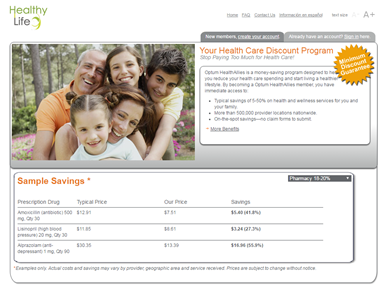
There’s a company that’s a subsidiary of United Healthcare, HealthAllies that was created by current CMS Adminsrator Slavit and Elizabeth Warren’s daughter (funded by Soros these days with her think tank) both former McKinsey consultants that will sell you a card to get both care and prescription discounts at the cost of $25.00 a month too. It’s very dirty and corrupt these days in healthcare to say the least.
The discount card business has become very complex with just trying to get a prescription filled today and it’s done with complexities on purpose as everytime we don’t check something, we get fooled and pay more. This is what I call the world of the Attack of the Killer Algorithms as it is math models and computer codes that run everything so be aware, be very aware as it’s a game of being able to click for the right price anymore to the extremes and it shouldn’t be that way. BD
By now we should all know the insurers are looking at ways to keep the cost of healthcare down and now it’s coming down to pretty much an “algorithm stick” for the doctors to deal with. This new company, interestingly enough is being headed from a former White House Executive, Dr. Julian Harris. He’s the former OMB Associate Director for Health. The revolving door between insurers and US Healthcare never stops.
Seriously, now when you look at one insurers page you get the same rhetoric about empowering and motivating physicians, same text different insurance carrier and I bet the doctors are a bit tired of the quantitated madness they deal with today as it’s not doing much for them. Just like Optum it’s a bunch of algorithmic formulas (and hey maybe they licensed some of those algos from Optum) to “score” and cut costs and access. Here’s what happened one time a while back when Cigna and most all other health insurers licensed United Healthcare (Ingenix, now named Optum) algorithms, lawsuits.
Our CMS is being run today by Quant mind sets and there’s like no changing it as they “think” all this quantitation is going to save the day. It will deny access and drugs at times though. As a matter of fact, Cigna is still on the hot seat for quality issues and currently can’t sell any Medicare Part D plans as CMS has them sanctioned.
I think there’s more that than the book cover myself as there’s this big merger with Anthem trying to take place as well and when you buy a Cigna plan now, you get another insurer, United Healthcare, under their OptumRX subsidiary to be your pharmacy benefit manager.
Cigna was one of the first companies that started using software to analyze and determine your current state of mind over the phone with their customer service centers and they just about do that now, so be aware when you use the call centers for customer service, that your state of mind is being actively scored and maybe that data gets sold to some behavioral business too.
It’s going to be interesting to see how the insurance mergers and all these “managed care” algorithms all come into play and you can look forward to more flawed data as they have built massive data lakes and the bigger the lakes, the more errors you get. I addressed that a couple years ago.
It is also interesting to note that HHS Healthcare.Gov CEO is also touting Cigna as expanding their ACA insurance polices for sale, this of course since United Healthcare is pulling out of all but 3 states. Keven Coulihan from Healthcare.Gov was also a former Cigna Healthcare executive, so more cronyism there as well. I’ve kind of laughed at wondering when the co-marketing with Cigna and United Healthcare might begin on ACA and maybe even other policies as if Cigna gets the sale, then United Healthcare shares in the money as the pharmacy benefit manager. By the way, you should look and see that United Healthcare/OptumRX revenue stream is making more money than their 3 insurance revenue streams and appears to be going back to their roots with making a lot of money with drug companies, how the company got started in the late 70s. United sold the PBM a drug company who sold it to to Express Scripts (who I’m sure still uses Optum Algos today) a year later. So co-marketing now so OptumRX can make even more money on pharmacy benefit management? BD
BLOOMFIELD, Conn.--(BUSINESS WIRE)--The nation’s health care system is moving from volume to value, yet it remains fragmented and complex. Health care providers are facing increased pressure to move from fee-for-service to value-based payment, yet current market solutions to accelerate this journey have been criticized as too rigid to meet complex provider needs. Cigna (NYSE: CI) has partnered with health care providers for many years to help them align their financial incentives with patient health outcomes, resulting in joint success through shared risk.
The new company, CareAllies, Inc., will deliver the systems, capabilities and management services that providers need to be successful under a variety of value-based and risk-sharing models across the value-based reimbursement spectrum. CareAllies will offer services to help ease providers’ administrative burden across payers and can even help providers launch and manage their own health plans.
The new CareAllies will combine assets from Cigna, Cigna-HealthSpring’s management services division for independent physician associations (IPAs), and QualCare Alliance Networks, Inc. (QANI), which Cigna acquired in 2015. It will leverage these companies’ extensive histories of successful and innovative provider collaborations. Dr. Julian Harris has been named president of CareAllies, Inc., which will operate as a wholly-owned subsidiary of Cigna.
CareAllies is similar to UnitedHealth Group Inc.'s health care services subsidiary, Optum Inc., said Vishnu Lekraj, senior equity analyst at Morningstar Inc. in Chicago.
 county and six in Los Angeles county to come under the umbrella. St. Josephs has a total of 16 hospitals and Providence has 34. The hospitals in Orange County are St. Joseph in Orange, Mission in Mission Viejo and Laguna Beach, St. Jude Medical Center in Fullerton, and Hoag Hospital in Newport Beach and Irvine. Hoag for many years has been Presbyterian affiliated and still is so this makes it interesting again as the facility is rolled up into Catholic healthcare ownership once again. In case you missed it, Hoag already had their affiliation with St. Josephs a while back.
  to in filings with Harris’ office as Providence St. Joseph Health. The new entity would be based in Renton and keep a regional office in Irvine.
 here’s referrals promoting these cards-to get more data to sell!