If you have read here for a while there have been several posts about United Healthcare investments in low income housing and this one is now building an entire community around “services” funded by those paying rent in an apartment building owned by United Healthcare. Sure a community clinic is a good thing but look at what gets tied into it and there’s a lot more than meets the face. This is a loan of $20 million and maybe financed by the Optum Savings Bank, and that’s a speculation as I don’t know but what do banks do, loan out money from Health Savings Accounts on deposit as it’s been done before. Here’s a few links from the archives on the company’s interest in low income housing.
The article thinks this should be a national model, well again when we dig deeper into what goes on maybe yes, maybe no. This is what the six components of this “community” are as was stated in a press release. You know with all of this included, United will definitely want all the behavioral data on these folks they get their hands on as data selling via Optum Labs and other entities to manage people has become a big part of their business.
myCommunity ConnectTM – Facilitates access to social services.
UnitedHealthcare myWork Connect – Helps unemployed adults achieve the skills needed to obtain living-wage jobs.
myHousing ConnectTM – Connects low-income individuals with appropriate housing to reduce health care costs, improve outcomes
UnitedHealthcare myData ConnectionTM – Improves communications and information-sharing across social service providers to enable whole-person health.
UnitedHealthcare myMoney ConnectTM – Creates more efficient, cost-effective access to money, integrated with a wellness rewards program.
UnitedHealthcare myRide – Improves access to nonemergency medical transportation service.
The entitty myMoney Connect is one I think folks should pay attention to as what all does this entail? If you use the Optum bank, you get hooked up right away with a MasterCard so again there’s more data to score and mine on individual behavior.
When we talk about rewards, don’t forget the United Healthcare coupons that are given out, again that provides more and more tracking on what you eat too and what you buy. If it’s not United direct, they have a subsidiary called LHI that also had vending machines that require a card to be used, not cash so again a full record of what you purchase can be attained and sold later on.
The poor and needy are always at the top of the list when it comes to getting their data to sell and score for profit and this seems like the same thing here and there is a trade off and the poor don’t have much choice and that’s the way the data sellers like it as it means big profit for them. I’m sure all who benefit from the center will be getting the new “food insecurities score” that was invented to even give data sellers even more behavioral data to mine and sell. Again, I’m not picking on helping the poor here, but rather addressing the trade off that comes with it with lack of liberties, freedoms at times and of course your privacy and the poor are kind backed into a corner to release all this data so they can benefit. This is not a true charity situation at all and at some point in time United will want their $20 million dollar loan back as well. BD
At a new Phoenix healthcare clinic, a person who goes in for a check up could walk away with much more — access to a new job, housing and healthy food for his or her family.
The myCommunity Connect Center is part of UnitedHealthcare's new myConnections pilot program to create social service and community programs that help families to improve their well-being. UnitedHealthcare provided a loan of $20 million for myConnections programs in the area and those housed in the myCommunity Connect Center. The center plans to sustain itself with the revenue from an apartment complex Chicanos Por La Causa purchased, along with other investors in the community.
Fortune put it right out in their article on why IBM was purchasing Truven Analytics, for the data. When companies acquire more data we all pretty much may know what goes next, more “big data” scoring and selling with consumer data. I’ve been writing about this now for around 4 years or so and it keeps getting bigger every year and so far, what do consumers get from all of this? Not much at all, but corporations get richer by the minute “scoring” consumers and selling the data so we all have quite a few ball and chain risk assessments attached to our ankles today, that either deny or allow access to something. You can look at a competitor of this effort, Optum Labs and what do we get from them? Same thing, a lot of nothing. We do get an occasional study that fills the air waves with a bunch of numbers that may tell us what the next risk assessment will be or is, but other than that, nothing. So far the yield for benefiting consumers has been zero, just more risk assessments and segementation models to “score” us and our data to sell.
Truven, has already been using the deep mining IBMWatson algorithms for around 15 months to do number crunches and deep big queries. Truven as you may or may not know what the original Reuters data base and analytics programs and processes that was sold years ago Here’s some back links where I wrote about some of their updates and the eventual sale of the analytic by Reuters.
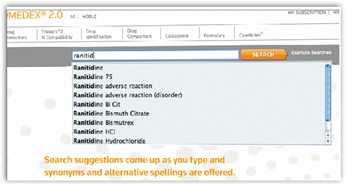
Micromedex as those who have been around in healthcare for a while are all acquainted with the PDR big red book that was published for years. Here’s a short paragraph from the link above, so you can see gathering data in this area has been around for a long time, so you can see this extensive data mining fits right into the marketing of IBMWatson as a fix all for everything. Reuters got out of this business to focus on what the company was established for and that is news and media coverage.
“The new center will draw on unique information assets including the Thomson Reuters MarketScan(R) Research Databases and clinical data repositories, built for research scientists in the life sciences and for hospital pharmacists. The Thomson Reuters MarketScan databases house integrated patient-level data for populations covered by commercial insurance, Medicaid, and Medicare supplemental plans. This information includes inpatient, outpatient, drug, laboratory, and other data reflecting real-world treatment patterns and costs.”
You may or may not be aware of the fact that IBM has had 13 straight quarters of declining sales and you can read that all over the web, and, in addition they have bought more of their own stock back that almost any other company, which means instead of investing in the company itself, they just bought huge masses of their own stock back to inflate the value of the company and enrich the income of the CEO and other executives in the company. This happens with a lot of companies, but IBM and GE has been at the top of all of this. Layoffs tend to occur to cut back at companies to finance such buybacks as well.
We now have the XPrize and their latest promotion with using IBMWatson to “save the world again” and it comes back to using the technology to deep mine and find some big cure or whatever. If we go back in the past though, this is not the first time the XPrize was soaked in on such a promotion as you can read here about the $10 million that Wellpoint tossed their way a few years ago to “cure” healthcare. I saw it and so did many others that this was just a promotional joke of sorts as this was not a real contest to find any real outcome, just a media game and a way to raise some money. So when you see such promotions, there’s not much value or truth in the pursuit here, just more PR. When you finish reading this post, scroll on down to the footer and watch the first video “Context is Everything” by Professor Siefe from NYU and you’ll get the idea and maybe you wont’ be duped as much as he lays it out and ironically this is a presentation at Google headquarters telling those employees how they get duped. I used to enjoy the TED presentations and videos but they too anymore are just blending into the wall as it’s way too many “what it” and “if” perceptions of folks who don’t get it right anymore with their perceptions.
The Financial Times a short while back had quite a write up on IBMWatson and asks if Artificial Intelligence will save the “big query” machine and brings up a lot of good points from beyond the hype. They talk about how the machines is nothing like what you saw on jeopardy and how the technologies have been compartmentalized into various operations that again are nothing like what you saw on TV. A few lines from the article below which is well worth the read.
“But critics say that what IBM now sells under the Watson name has little to do with the original Jeopardy!-playing computer, and that the brand is being used to create a halo effect for a set of technologies that are not as revolutionary as claimed. “Their approach is bound to backfire,” says Mr Etzioni. “A more responsible approach is to be upfront about what a system can and can’t do, rather than surround it with a cloud of hype.” “It’s not where I thought it would go. We’re nowhere near the end,” says Lynda Chin, head of innovation at the University of Texas’ medical system. “This is very, very difficult.” Turning a word game-playing computer into an expert on oncology overnight is as unlikely as it sounds, she says.”
In addition IBM has begun marketing the APIs to where people can write applications to use the technology and this of course is a huge area for data selling and mining. Myself and many others on the web pinpointed this immediately with Welltok. Apps and companies like this are yet a further diving into the “dummy down” effect presented to the consumer with gamification and other lures to drag you into give away more of your personal data. Nobody likes this stuff but they keep pushing it under some obscure perception that it’s going to do something for you and present value, and there’s similar programs around that have little take up besides IBM doing the same thing, why this was so easy to recognize. Years ago, I used to write software so I have a real good idea on what goes on with the backside here and it’s a shame that consumers are marketed into what I call “Perception-Deception”.
A couple years ago the Computer Scientist at IBM who created IBMWatson, David Ferrucci left and went to work for a hedge fund and you kind of wonder what may have been going through his head as IBM started marketing and changing the entire Watson project? Ferrucci was all over the headlines with Jeopardy when Watson was created and he took his skills over to Bridgewater. As it is with most folks in tech, maybe he of course knew something we didn’t as it was his creation. I was reading the other day a blog from Dr. Halamka, CIO of Harvard Medical and there was a quip in one of his posts about Health IT and the fact that there were all kinds of technologies in healthcare that have value and it was “not” going to be IBMWatson saving the day, as other technologies out there were just as good if not better.
IBMWatson has moved into an office in the Silicon Valley and of course now we have the usual perception deception associated with a lot of their technologies as well in the fact that too much of the time they sell you on a risk assessment being some type of a diagnosis and you have to watch carefully what they do with their marketing all the way around as everything is not as it seems.
Actually before TED took a turn for more mass marketing, they did produce a lot of good videos and one from Ivan Oransky, who was formerly with Reuters Healthcare did a great video on this topic and how big data is being used and the “Moneyball” effect. He’s also a doctor and brings about how queries and predicting knowledge is limited and how folks are duped with “pre-conditions”. Take this one to heart and pay attention as this is what you are getting today and of course IBMWatson is right in there to market all of these “pre-conditions” and the ball and chain risk assessments around your ankles get heavier and heavir as more as assigned to you, and of course this data and scoring gets sold. You have to have a high tech experience of pregnancy now, and “pre-death” is something we have all been assigned!
So this expansion of IBMWatson with the deep query mechanisms will add even more “risk assessments” to your data trail and you will be sicker than you could ever imagine, data wise that is. Look what happens when you fill a prescription, if the data is not there, you are defaulted to being a non compliant medication adherent patient, based on flawed data on bad risk assessments.
So IBMWatson is not there to really do a lot for you, directly as the consumer, it’s there to make money for IBM to produce and sell more risk assessments as we are going over the top. Sure Big Data is needed and helpful with drug research and genomics as that is that business, but to run each consumer’s life like a big risk assessment is wrong. This happens so corporations can sell all of this about you and profit. Do you get to see any of this “scoring”? Of course not as it’s all secret and in talking scoring, if you want to go back to some of the origins here, look at how IBM used scoring in Nazi Germany with punch cards, which of course is old compared to what we do today and see how IBM and Professor Watson did business. They didn’t care about people and Watson went in business with the Nazis to pad his pocketbook. I don’t normally bring things from the past up as such, but this is relevant and exactly what’s going on today minus gas chambers and a few other things that occurred. “IBM and the Holocaust” was a book written documenting all of this with some extensive research. Again, what were they doing? Scoring….and we have excess scoring of US Consumers taking place today, more extensive with technology. Watch the video and see what you think as I’m not the only one making this connection as folks with more recognition than me, like Snowden have said the same thing.
I wrote a post a while back about Excess Scoring of US consumers and also referenced the report created by the World Privacy Forum, which addresses the same thing of numerical equations, not explored for accuracy but rather proprietary math formulas and models used secretly to score all of us, which in the end turn out to be a method of segmentation to deny access. You can read the link below and look at what’s going on around you, insurers are controlling more and more Medicaid and Medicare across the US with contracts (they are not hurting for money) and are still paying dividends on the stock market today.
We’re not even allowed to see who’s scoring us anymore. Your data is resold and repackaged without your knowledge and why I feel it’s important to index and license those corporations selling our data as who are they? What are they selling? What score have they given us and who are they selling it to?
Take a look at who’s running government healthcare in the US, Andy Slavitt at CMS, a one time Goldman Banker and executive quant at United Healthcare that made a ton of money selling algorithms and analytics for which his company Ingenix was sued all over the place. At HHS, Burwell a former chief of staff for former Secretary of the Treasury, Bob Rubin, who basically should be in jail today as he, along with Larry Summers and Alan Greenspan lead to the economic meltdown in the US with the Securities Modernization Act they pushed through during their times at the White House. Visit the Attack of the Killer Algorithms for all the videos you need to see on how it all played out. Videos will bring you up to speed if you want to learn on how this all took place.
IBMWatson is not the only technology here as we have the same thing going on over at Optum Labs too, for profit. Behind the big data seller IMS, United I believe is the 2nd largest healthcare data seller in the US. In the right hand corner of this page, visit the campaign to index and license data sellers with the video from the World Privacy Forum talking about how IMS got caught selling data of “lists” with all of us on them with no regulation at all in front of Congress.
So in essence, don’t buy the hype here and as word of warning, use cash when you can too as you may have read this week, Larry Summers now was stating the US should get rid of the $100 bill too. He’s over at the Lending Club now selling loans out as CDOs, same thing that lead to the mortgage crisis and is now doing stock buy backs, and again watch “The Warning” at the Killer Algorithms page for more on how that worked.
So again, think of the Hype here and how much money IBMWatson wants to make selling our data as again 13 quarters of declining sales and way too many stock buy backs versus reinvesting in the company has the pressure cooker on and we’re the target as it’s easy money one the algorithms are written and put in to place to rock and roll and we lose all the way around. It’s all about making money selling risk assessments and data and nobody’s minding the shop. Watch video number 2 below in the footer, the quant documentary to see what this is all about as now the quants have moved into healthcare and the end won’t be pretty at all when the same types of formulas that failed during the crisis in 2008 start falling again, this time in healthcare. In case you missed it, more CVS and IBMWatson hype here and CVS is already making $2 to 3 billion a year selling your data and wants more. They just want to the data to sell, create more consumer scores, valid or not and sell it for profit, nobody and I mean nobody is minding this shop. BD
And when it comes to big data analytics, the more data, the better, said IBM IBM 0.48% Watson Health general manager Deborah DiSanzo. Truven brings still more data into IBM, which has already assembled quite the data pool, both on its own and via acquisition.
With Truven, IBM gets “200 million lives which we can combine with 100 million patient records. We can combine our data sets together, including one of the largest democratized health records with electronic health records from Phytel, Truven, claims data, imaging data, genetics, medical health data and from all of that we can run analysis,” said DiSanzo told Fortune in an interview.
Truven, which has used IBM Cognos business intelligence software for years and has partnered with IBM’s Watson unit for the past 15 months or so, offers a wide array of data analytics services.
Update: 2-27-2016 It was reported today via the LA Times, the hospital paid $17,000 in bit coins so they got a deal it seems, or the amount reported initially was too large? They are up and going again and had tech folks help them through it.
I’m surprised it took so long to get out as it happened a week ago. It’s been down for a week and the FBI is involved as well as the Los Angeles police. Some patients are being turned away.
9000 bitcoins is the price demanded to give the hospital back the “key” codes to open the system back up. 911 patients are being diverted to other hospitals.
The hospital seems to be keeping it pretty quiet and I guess really what else can they do as paper back up files come out as they always do in times when the EHR goes down.
This disruption is raising havoc with getting access to all the patient information needed at times. Radiation and Oncology has been shut down and they are not allowed to turn on their computers.
A Southern California hospital was a victim of a cyber attack, interfering with day-to-day operations, the hospital's president and CEO said.
Staff at Hollywood Presbyterian Medical Center began noticing "significant IT issues and declared an internal emergency" on Friday, said hospital President and CEO Allen Stefanek.
A doctor who did not want to be identified said the system was hacked and was being held for ransom.
There is no information that any patient or employee information was compromised, but the hospital called in computer forensics experts, and the FBI and the LAPD to investigate.
The hospital's emergency room have been sporadically impacted since Friday, Stefanek said.
The unnamed doctor said that departments are communicating by jammed fax lines because they have no email and that medical office staff does not have access to email.
I’m surprised it took so long to get out as it happened a week ago. It’s been down for 7 days and the FBI is involved as well as the Los Angeles police. Some patients are being turned away. 9000 bitcoins is the price demanded to give the hospital back the “key” codes to open the system back up. 911 patients are being diverted to other hospitals. I think the ransom equates out to over $3 Million in dollars as I’m not a bitcoin expert.
The hospital seems to be keeping it pretty quiet and I guess really what else can they do as paper back up files come out as they always do in times when the EHR goes down. Robots are dead for now for remote monitoring.
This disruption is raising havoc with getting access to all the patient information needed at times. Radiation and Oncology has been shut down and they are not allowed to turn on their computers. This is a pretty big hospital, been a few years but been there a few times on business. Remember patient dumping from a few years ago, this was one of them that was fined in the LA area.
Well so much for those here who still need to attest for Meaningful Use you could say and I’m sure maybe CMS might grant some additional hardships here since they are in that busienss big time anyway since the MU model continues to fail and wimper. This will be interesting to follow, will they pay or will they get around the hackers? This is the biggest hack case that I am aware of that has occurred for quite a while. BD
A Southern California hospital was a victim of a cyber attack, interfering with day-to-day operations, the hospital's president and CEO said.
Staff at Hollywood Presbyterian Medical Center began noticing "significant IT issues and declared an internal emergency" on Friday, said hospital President and CEO Allen Stefanek.
A doctor who did not want to be identified said the system was hacked and was being held for ransom.
There is no information that any patient or employee information was compromised, but the hospital called in computer forensics experts, and the FBI and the LAPD to investigate.
The hospital's emergency room have been sporadically impacted since Friday, Stefanek said.
The unnamed doctor said that departments are communicating by jammed fax lines because they have no email and that medical office staff does not have access to email.
This is interesting and hospitals are under real pressure today to avoid re-admissions as they can be penalized by CMS. The folks that work for the hospital providing this service will now become employees of the franchise location it appears.
The company is located in Vancouver, Canada and has just under 60 franchise locations in that country. The company franchisor filings list $106,000 to $159,000. The initial franchise fee is $47,000.00 to get started so there’s a lot of money laid out by the hospital system. The royalty and marketing fees are 6% of gross sales and the average revenue per patient is somewhere around $2000.00. Nurse Next Door provides all the training for set up, etc.
Gee home nursing has become just like a fast food franchise you could say. It appears this service will be used to also take care of patients who are discharged and need home care with recovery as well as long term home care patient needs. When you look at the car in the picture, I’m sure the franchise dollars might help paint it too:) Here’s video on how their call system works.
It’s a big call center that supports the franchises with scheduling and the IT portions of the business. Here’s another video with more of a view on the nurse or caregiver providing service.
This will be interesting to see how St. Josephs handles their franchises and will they do their own call center? We don’t know at this point. The administrative and management with the hospital seems that it will need to have a few things done differently as well. BD
St. Joseph Health is acquiring 26 Southern California locations from Nurse Next Door, with an option to buy another 12, the companies announced Monday.
The move creates an estimated $50 million revenue line in the future for St. Joseph Health. The company is based in Irvine, California, and currently offers home health care in three California counties, along with operating 16 hospitals, physician organizations, outpatient services and community outreach services.
The Nurse Next Door locations that St. Joseph is acquiring will offer basic companionship, Alzheimer’s and dementia support, among other services.
St. Joseph Health will be engaging general managers for the home care locations, which is slightly different than the typical Nurse Next Door model, in which franchises are owner-operated, Nurse Next Door CEO Cathy Thorpe told Home Health Care News. But Nurse Next Door will be providing training, marketing, and other support as it does for other franchises.
St. Joseph Health’s current private duty home care business will be transitioned into these franchises, Chief Administrative Officer John Bennett told HHCN.
It’s been a while since I hit this one but since last time, of course, things are getting worse out there. With prediction tools and apps being all the rage today, their reliability and accuracy are not always there. Before the word “prediction” took over, we used to have words like “trending” and number crunches used for a lot of what we saw, but today it’s the big buzz word “prediction”. Machine learning algorithms certainly can be useful but they too make errors. A while back I connected data selling to lack of privacy and it got some attention, but I think not enough.
Today as companies see revenue streams disappear from their line of business, they turn to the easy solution of buying and selling consumer data, but it just doesn’t end there, they have to do something with it to create value, and that line of business today is called “scoring”. It’s happening all around you and it’s evolved to what I call “Excess Scoring” as you have data scientists cranking and wrangling statistics and data every which way but loose to find out how to find some data with queries to sell. A couple weeks ago in the business world, Bloomberg bought a data mining company which they intend to use in house and also sell to their clients so they can predict the behavior of clients. Bloomberg of course might be motivated as they stand to lose a lot of money when JP Morgan and Bank of America cut thousands of Bloomberg terminals which rent for $21,000 a year, which has been the life blood of the financial world for years. Replace that revenue, mine and sell data.
Bloomberg is only one of many examples out there too as you also see IBM pushing this cognitive data mining like crazy, and that’s what 13 quarter of declining sales and too many years of stock buybacks end up producing, where do you make up the lost revenue, mining and selling consumer data. Sure there are some value areas with mining big data when it comes to “real” research like some in healthcare, but even some of that gets blurred as you end up being marketed to believe some app is a diagnosis tool, when in fact it’s nothing more than another risk assessment that gathers, mines and scores you and sells the data and the scores.
Many healthcare companies get around the HIPAA areas with in fact not selling your data that they have, but rather just selling a “score” and there’s little HIPAA help there and with that, so goes any privacy. When computer scientists and Quants are under pressure to create a revenue producing model, things go a bit crazy and correlations become spurious and data becomes flawed.
So what happens when the data becomes flawed? Are there avenues for consumers to use to correct the flawed data and scores being produced and sold for money, which by the way is a $180 Billion dollar a year business? Few and limited. Argus Analytics is one firm that buys up credit card data and puts out tons of “scores” about your behavior patterns. How many of you have heard of that company? Probably not many I would guess.
There have been some very faint efforts in Congress, they spend a lot of time talking about it, but again you have lawyers selling pixie dust that some magical new algorithms are going to protect consumers and on the deception goes. With indexing and licensing data sellers, at least we would know who they are and where go to corrected flawed data. Do we have that now? No! You can find some of them but not all, especially the obscure companies that are taking the data and “scoring” you and selling those results.
BDEX is a “scoring” and data selling company, you probably never heard of. Take look over there and see what’s going on with “scoring” you and your data. They’re getting everything they can get their hands on and also tech and promote (and make money)showing others how to score you as well. You’ll find Live Ramp from Acxiom over there too as a partner, Acxiom one of the biggest data brokers around. Most people have no clue that all their electronic transactions are for sale, there’s no privacy so use cash when you can if you want a little bit of privacy. It’s all over the place and read the link below on now how CMS wants to sell Medicare data (link below). This is partially due to the fact that Medicare is run by a Quant, Andy Slavitt with a background of being a former Goldman banker and a high ranking United Healthcare Executive that racked everyone over the coals with the error producing Ingenix Algorithms with physician pay and then later with medication adherence predictions with Express Scripts, selling algos to them. CMS wants to “approve” those who get the chance to buy and sell your Medicare data though, but we know how that goes, no regulation there as all as again, we don’t know who all the data sellers are in the US and exactly what they do?
Unfortunately Data Scores get used frequently out of context and you have no idea how many times and how you have been scored. When it comes to skewing a correlation to make money, data scientists and quants will stop at nothing if it makes money as their job may depend on it. So in fairness there’s some outside pressure to keep a job that might make them cheat a bit and go spurious.
The World Privacy Forum was all over this a couple years ago with their extensive report “The Secret Scoring of America” and it’s a good report. Sadly the White House, who spend a lot of time in virtual values these days did little with it other than recognize it existed. I want to think the current administration is doing what many consumers have done and that is retreating over to a virtual world like Facebook to escape and not have to deal with a lot of what’s going on in the “real” ugly world. In virtual worlds everyone gets to be LeBron, but in the real world, there’s only one LeBron. We can thank Larry Ellison for those words of wisdom as sure he sees it loud and clear as well. He’s a software engineer by trade and people that write code and create software are all very much aware of the bad side, but choose whether or not to talk about it.
As consumers it’s only right that we at least know who’s scoring us and using our data when it gets flawed. Are we to live out lives out with flawed profile created about us for the sake of corporations making big money selling it? Why even get out of bed every day when we are “scored” to the hilt with risk assessments that are like a ball and chain around our ankles I ask?
Sure there’s some useful scoring going on out there and we need some of that but there’s a lot of it that’s gone over the top. Even UCLA this week came out and said they suggested to stop using the BMI to determine a person’s over all health. Data Scorers can take that number and wrangle it into a massive amount of other data bases and turn you into a huge “risk” assessment that shouldn’t be allowed to walk on this earth! That’s where we are getting today as more and more bogus risk assessments are created that are nothing more than algorithms and math models to make money.
Step one for any real privacy to exist is to determine who all the data sellers are and what they sell. I’ve had honest quants and mathematicians alike as well as the World Privacy Forum agree with this as a first step of action versus the whacked out perceptions that are being promoted out there now as privacy efforts. How about when you get (your data) gets repackaged and sold? None of the privacy dupes are talking about that and it does exist. If you don’t think this exists, you have been spending too much time living in some virtual worlds out there that exist.
Prescription medication adherence scoring turns you into a non compliant Outlier and that data gets sold all over the place. Most have no clue on how much money gets made selling your prescription data. If you pay cash and they can’t find enough credit card data to prove you are filling a prescription, you default to being a non compliant Outlier. Nice, huh? How do you fix that? These scores are all secret and you can’t get them, so you now there’s a double whammy, secret scores and secret data sellers you have no access to, can’t fix anything as a consumer that corporations “score” about you for a profile. The post below was generated by a conversation I had with a real pharmacist with these concerns. Read it and take a look at bogus metrics being used to substantiate your behavior, which of course as humans is subject to vary every time we change our minds, so a lot of flawed data reported about you here with their scores. The pharmacies have to make their numbers, not so much worry about how they educate you, just make those numbers using this flawed software.
Again this is a calling for those in our Congress to stop and do something for the consumer, give us at least the opportunity to know who’s scoring and selling our data? We have to fight years ago to get that right for credit data and it’s gone way beyond that now with bringing in all other types of business entities with their secret scoring. I guess at some point when the data scientists correlate to the point to where their spurious numbers are too far even for the dupes of hazard society to believe, well who knows what we might see, attacks on data centers? Read the link below, sometimes this so called science can be nothing more than a guess.
So here’s my campaign that’s been out there for a few years now and I predicted this about 3 years ago too that data selling with skewing context about consumers would be the greatest attack on our liberties we’ve ever seen, all for the sake of corporations make money. Scroll down and watch the 4 videos in the footer for some additional information from folks smarter than me. BD
Geez this has to be a black eye on the community to have the CEO involved in this, who I imagine will no longer be the CEO if not already removed. Over 15,000 prescriptions for pain killers written for the CEO? I think he would be dead if he took all those pain killers over the 3 year period so yes this looks to be pretty obvious by chasing a paper or digital trail of prescriptions. The hospital even has a clinic in the Wal-Mart Store too. Wonder how many of the prescriptions might have been filled at Wal-Mart. I would imagine they may have spread them around.
The CEO’s family even helped fund the hospital over the years too, so this one won’t look good for the Gowder family.
One doctor was a board member of the hospital and was charged with 41 counts of unauthorized distribution of a controlled substance. This was a big ring it sounds like. BD
The CEO of Blairsville’s Union General Hospital is one of six suspects accused of being involved with fraudulent prescriptions for painkillers.
District Attorney Jeffrey Langley’s office tells news outlets that CEO Mike Gowder and five others were arrested Wednesday after a nine-month-long investigation. Gowder faces two counts of fraudulently obtaining a controlled substance and one count of conspiracy to distribute a controlled substance.
Police say one of two physicians arrested in the raid, Dr. James Heaton, wrote more than 15,000 fraudulent prescriptions for painkillers for Gowder over a three-year period. Four of Gowder’s family members were among those apprehended. It’s unclear whether the suspects have attorneys.
This has been kicking around out there since Whistleblower lawsuits were filed. Initially Humana was the first target and between United and Humana they have the most at stake here because they have most covered by Medicare Advantage Plans. This goes back to the Medicare risk assessment formula and whistleblowers were reporting that seniors were being coded with chronic care conditions for the sake of generating more money. Further information I read told of an automated process as well where risk fiddler algos were automated to up code as well.
“Medicare pays the Advantage health plans higher rates for sicker patients and less for healthy people using a complex formula called a “risk score.” But the HHS study spells out several ways health plans have inflated those scores, from reporting surprisingly high levels of medical conditions such as alcohol or drug dependence to billing for an inordinately high number of patients with complications of diabetes.”
A while back CMS announced they were going to re-run the Medicare risk scores to locate where they over paid, based on people that did not have such risk and follow up on information supplied by the whistleblowers in some instances. After the initial whistleblowers, CMS ran it’s own audit as they are required to do and approximated around $70 billion (a lot of money) was over paid to insurers with “risk fiddling”. The two links below will give you more information and history on all of this.
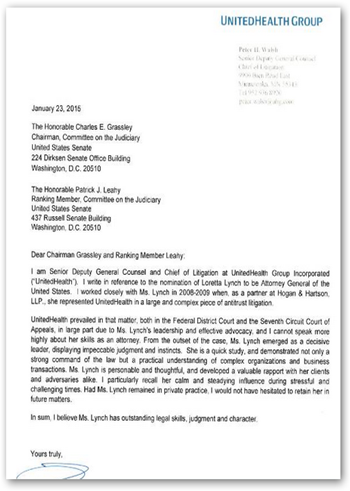
Medicare was asking that plans submit “deletes” on some of the data overpaid and coded and obviously this lawsuit kind of says United Healthcare and their insurer subsidiaries want no part of it. This gets interesting too as Loretta Lynch, head of the Department of Justice used to work for United Healthcare, representing them with anti trust lawsuits and a letter from their legal department sent to Grassley kind of sums that up as far as questioning cronyism in government healthcare.
In addition, HHS recently back peddled their own FDA agency on research data to join Optum Labs as well, so think about that one. Why did that occur? We do know that HHS Secretary Burwell was a former chief of staff for former US Treasury Secretary Bob Rubin who during that time was pretty much responsible for over turning Glass-Steagall in the financial sector.
The company is also busy building a network of Urgent Care centers and has quite a few already with the acquisition of MedExpress Clinics, of course where a lot of Medicare Advantage patients may seek care.
We also know United is no stranger to lawsuits as it was around 5 years ago that United sued the DOD to get a portion of the Tri-Care Contract award for the west. It was an award that was met with a lot of protest as well. Over the years too I have written several posts on other lawsuits United has filed if they were not chosen for several government management contracts with healthcare. Nothing was ever said about the lawsuit other than United was awarded the contract after the lawsuit was filed. United of course has huge foot print in the military as well and even has a separate military service subsidiary as well. Big contractors like LHI are part of that division who are contracted to the VA for disability evaluations and for large deployments of the military with vaccines, etc.
Ok so what’s going to happen here? I’m sure Humana, Aetna, and others will be waiting to see how this turns out as they too are on the hook for risk fiddled claims as well where members appeared to be sicker than they may have been due to coding and adding more risk. Alcohol chronic conditions was one that was easy to code in and so folks were easily coded to have that affliction to generate a higher payout. BD
Forty-one companies under the UnitedHealth Group umbrella, led by UnitedHealthcare Insurance Co., have set their sights on blocking Medicare Advantage regulations governing the returning and reporting of overpayments by filing suit against the Secretary of Health and Human Services in a federal district court in Washington.
The suit, filed last week claims that the rule on overpayments promulgated by the Centers for Medicare and Medicaid Services in 2014 doesn’t follow the text of the Medicare Act, which requires that CMS assess the health status traditional fee-for-service Medicare participants and Medicare Advantage participants similarly.
The insurers claim that this violates the “actuarial equivalence” required by the Medicare Act because it allows traditional fee-for-service Medicare participants to have all their reported health claims paid without requiring a comparison to the underlying medical records while forcing Medicare Advantage plans to do a searching audit and return a significant portion of their payments or be potentially subject to False Claims Act liability.
 This is a loan of $20 million and maybe financed by the Optum Savings Bank, and that’s a speculation as I don’t know but what do banks do, loan out money from Health Savings Accounts on deposit as it’s been done before. Here’s a few links from the archives on the company’s interest in low income housing.
 Layoffs tend to occur to cut back at companies to finance such buybacks as well.
  executive quant at United Healthcare that made a ton of money selling algorithms and analytics for which his company Ingenix was sued all over the place. At HHS, Burwell a former chief of staff for former Secretary of the Treasury, Bob Rubin, who basically should be in jail today as he, along with Larry Summers and Alan Greenspan lead to the economic meltdown in the US with the Securities Modernization Act they pushed through during their times at the White House. Visit the
  Los Angeles police. Some patients are being turned away.
![image[2]](https://lh3.googleusercontent.com/-jH4G8XfjGCc/Vrwym0azvgI/AAAAAAABMro/2hUW2-FabRM/s1600-h/image%25255B2%25255D%25255B3%25255D.png "image[2]")

![BDEX[3]](https://lh3.googleusercontent.com/-SRVzD_rHaJw/VreZzTL0kSI/AAAAAAABMrM/_l8WKkt8cJU/s1600-h/BDEX%25255B3%25255D%25255B3%25255D.png "BDEX[3]")
![image[3]](https://lh3.googleusercontent.com/-XS2S6qWBwqc/VreZ0s56NgI/AAAAAAABMrU/ZYLRG5vVOwo/s1600-h/image%25255B3%25255D%25255B3%25255D.png "image[3]")
 all over the place. Most have no clue on how much money gets made selling your prescription data. If you pay cash and they can’t find enough credit card data to prove you are filling a prescription, you default to being a non compliant Outlier. Nice, huh? How do you fix that? These scores are all secret and you can’t get them, so you now there’s a double whammy, secret scores and secret data sellers you have no access to, can’t fix anything as a consumer that corporations “score” about you for a profile. The post below was generated by a conversation I had with a real pharmacist with these concerns. Read it and take a look at bogus metrics being used to substantiate your behavior, which of course as humans is subject to vary every time we change our minds, so a lot of flawed data reported about you here with their scores. The pharmacies have to make their numbers, not so much worry about how they educate you, just make those numbers using this flawed software.
 ![image[6]](https://lh3.googleusercontent.com/-hp-Xy3_4CaM/VrWbgElVkKI/AAAAAAABMqw/9n0bPzsm54k/s1600-h/image%25255B6%25255D%25255B3%25255D.png "image[6]")
![image[3]](https://lh3.googleusercontent.com/-ut5t0Js6t00/VrWbhrVJ9EI/AAAAAAABMq4/1w7FJIZ9Qg8/s1600-h/image%25255B3%25255D%25255B3%25255D.png "image[3]")

 of says United Healthcare and their insurer subsidiaries want no part of it. This gets interesting too as Loretta Lynch, head of the Department of Justice used to work for United Healthcare, representing them with anti trust lawsuits and a letter from their legal department sent to Grassley kind of sums that up as far as questioning cronyism in government healthcare.