92648

HMOs tops confidence of US Congress in the Gallup polls, barely

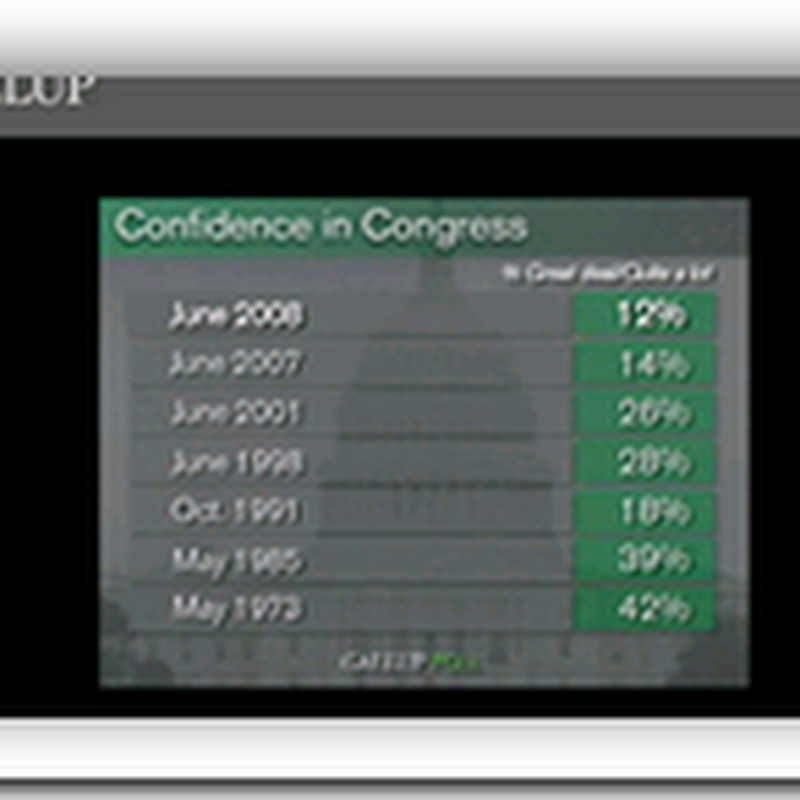
HMOs are not public known for carrying the confidence of the US public, and this is a bit shocking to see, especially right now when it comes down to health care reform being debated in Congress.  The small business category came up with a 60% vote of confidence.  BD    image

The Gallup Poll’s annual update the public’s confidence in American institutions is out and Congress is at the bottom: just 12 percent of Americans have confidence in Congress, the worst rating Gallup has found in 35 years of polling on the question.

In fact, this year, Congress dropped below HMO’s, which have the confidence of just 13 percent of Americans.

http://www.statesman.com/blogs/content/shared-blogs/washington/washington/entries/2008/06/20/gallup_poll_sho.html

Gender can cost you in individual health insurance

One item to note is that the California Department of Insurance said there are no regulations in place to prevent this, and Blue Shield is perhaps not the only carrier with gender specific costs.  It’s all about cracking the numbers is appears, but what will be the next step?  We have all the statistics today to evaluate, so could this get further defined on perhaps race, religion, or other determining factors as they are studied? Insurance imageas it stands today is complicated enough and unless changes of some type are initiated somewhere down the line, the queries and parameters will just continue to grow…BD  

When it comes to health insurance, Valencia resident Tova Hack's first problem is that she works part time and thus needs an individual policy for medical coverage because her employer doesn't offer one. Her second problem is that she's a woman.  Hack, 22, a grad student at Cal State Northridge, is insured by Blue Shield of California. She just found out that the cost of her bare-bones, high-deductible insurance plan is going up 20%, to $119 a month from $99.

"It's all about the statistics," Epstein said.
It's not about pregnancy, though. Hack's policy doesn't even cover pregnancy and maternity care.

By age 20, women are paying $119 monthly, while men are charged $110.
When they turn 35, women are paying $174 a month compared with the $162 men are paying. By age 45, women are up to $271 a month, while men pay $25 less, or $246.

Gender can cost you in individual health insurance - Los Angeles Times

Technorati Tags: ,

Implanted Medical Devices - Can they be hacked?

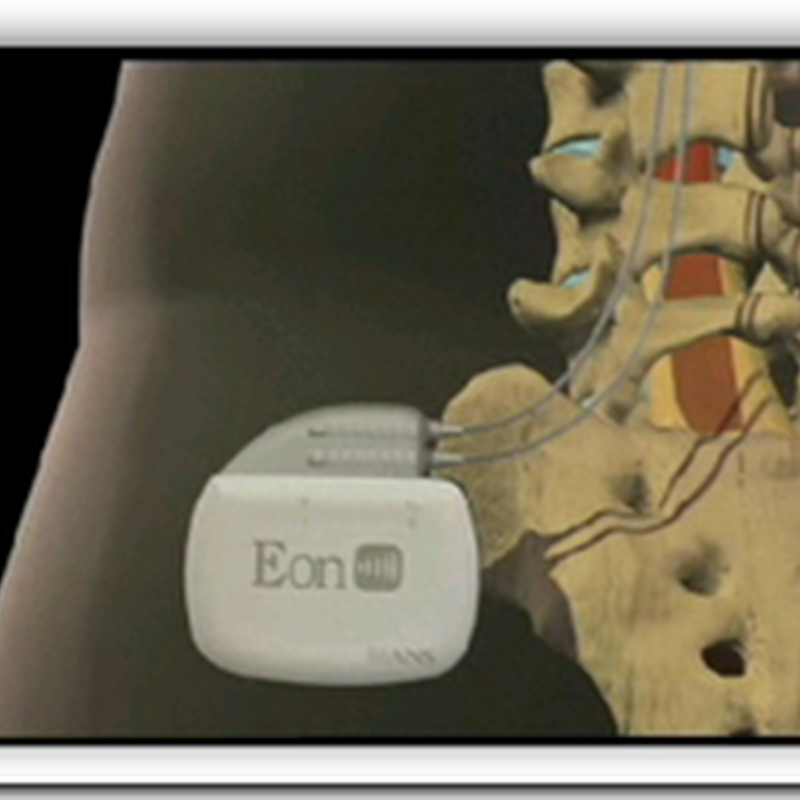
Are these devices really open to hacking?  It is difficult, but it can be done.  To actually hack a device though it took scientists familiar with the technology and units to give it a try and it could be done, but one of the features of of the units is the fact that the transmitter and receiver have to be in very close proximity to the patient, thus a hacker would theoretically have to be very close to be within the range of the data packets being transferred.   image Hopefully soon, encryption can enter the picture to ensure better safety, but if longer distances are created for transmission in the current state of technology, that would increase the availability of hacking, but the benefits still far outweigh the downside here in the fact that if you needed such a device the other alternative could be…well I think we could perhaps figure that one out.  BD 

  “They were able to change the patient's name as recorded in the device, reset the internal clock, and make changes in therapy. The researchers were able to turn off the therapy mode, preventing the device from responding to a life-threatening arrhythmia. More seriously, they were able to set the ICD to deliver a shock that could induce a dangerous, and perhaps deadly, heart rhythm.”

Pacemakers. A pacemaker is designed to monitor and record heart rate. When the device senses the heart is beating too fast, slow or erratically, it sends a low-energy electrical signal to "pace" the heart back into a normal rhythm.

Implantable Cardiac Defibrillator (ICD). An ICD also monitors heart rate. However, it is usually reserved for patients with dangerous heart rhythm problems. When an abnormal rhythm is detected, the ICD will first send a low-energy electrical pulse to try to correct the problem. If that doesn't work, or if a life-threatening rhythm is detected, an ICD emits a high-energy electrical pulse, or shock, to jump-start the heart into a normal pattern of beating.

Implanted Drug Pumps. Drug infusion pumps are designed to automatically provide small amounts of drugs directly into the body, eliminating the need for regular injections of medication. Some pumps are programmed to provide a prescribed amount of medication at pre-set times. Other pumps (such as insulin pumps) can be controlled by the patient to deliver an extra dose of medication when needed.

Neurostimulators. Neurostimulators are devices that provide a small electrical signal to the brain or spinal cord. They are used in a number of different applications, like epilepsy, Parkinson's disease and pain control.

Implanted Medical Devices - Health News Story - WSOC Charlotte

Not Recommended Barrier Protection

From the blog of ER stories…as in the NEJM.  This was so very strange I had to include this one.  Bi-Polar problems can lead to many issues and the thought process here is not only bizarre but also scary and add the fact that the nail was passed without surgery.  BD  

A 35-year-old woman with bipolar disorder was found wandering on a highway screaming and crying, with disorganized speech. She was evaluated in the emergency department, and computed tomography of the head revealed a hypodense area. The patient reported that she had a nail in her uterus. In the context of the presentation, this was deemed to be image unlikely. However, before magnetic resonance imaging was performed for further evaluation, radiography of the abdomen showed a large nail, which was localized to the bladder on ultrasonography, and an intrauterine device in the uterus. Surgery was scheduled to remove the nail, but on the morning before surgery, the patient painlessly passed a 10-penny 8.3-cm steel nail while voiding. After resolution of this psychotic episode, the patient revealed that her intention was to place the nail in her uterus as a means of protection against being raped, which had occurred in the recent past. She was subsequently admitted to a psychiatric facility.

Not Recommended Barrier Protection

Medical data the next big thing in stolen information

Outsourced 3 party security vendors play a big role today and are almost imperative to have on networks today and this story relates to some pretty disturbing information found in cache on servers located outside the US.  Data contained Citrix credentials, also known as a single sign on procedure used by medical personnel to access a network, hospital and otherwise.  This was found relating back to a publicly owned health system in the US. In addition Outlook Web access accounts were found.  With having the credentials, the information from the logs could have been up for access, and in the long run, it was a good thing the vendor was up and running to scan and locate before any damage was done.  BD 

Recently, security vendor Finjan discovered 500MB of interesting data while trolling for Malware and performing other research. What makes this data interesting is that it is medical related, not the normal credit or debit card information or social security number information. Finjan has found some wonderful caches of data and various criminal toys online in the past. This recent discovery is interesting, as it is one of the few times medical information was discovered live. The data included healthcare and business related data, as well as personal information (stolen Social Security Numbers) for patients. Like credit cards, this data is being sold to the highest bidder online. The data was discovered on servers located in Argentina and Malaysia.

Medical data the next big thing in stolen information - Security

Hat Tip:  SecurityRatty

HemoCue granted FDA waiver for point-of-care test

This clears the way for non laboratory personnel to use the system to test and screen patients for low levels of albumin at the point of care.  BD 

Jun 19, 2008 (Datamonitor via COMTEX)-- HemoCue, a wholly owned subsidiary of Quest Diagnostics, has announced that its HemoCue Albumin 201 System is the first quantitative point-of-care test for screening, diagnosing and monitoring microalbuminuria to be granted a CLIA waiver by the FDA.

With the FDA CLIA waiver, non-laboratory trained physicians and other health care professionals in any health care facility with a Clinical Laboratory Improvement Amendments (CLIA) certificate of waiver in the US will be able to use the HemoCue Albumin 201 System to screen patients for microalbuminuria and begin treatment based on the test's results during a single office visit.

HemoCue granted FDA waiver for point-of-care test

Immigrants sent home by hospitals in some cases - Arizona

In Arizona, immigrants are sent back to their country of origin.  The hospitals make the imagearrangements to send the patient back to Mexico or where ever they are citizens.  Arizona hospitals have sent 42 patients this year back to Mexico.  Even some who are residing legally are returned if there are no provisions to handle the medical expense.  One resident had lived in Arizona for over 20 years and paid taxes and was also returned to Mexico.  BD  

We are continuing to transfer patients who do not have coverage and can receive long-term care in their home country," spokeswoman Suzanne Pfister said. "That has continued. Even in the last couple of weeks there have been a number of transfers." St. Joseph's spent more than $64 million on charity care and community-benefit services last year alone. It transfers nearly 80 patients a year to out-of-state facilities at costs that sometimes exceed $1 million. And although the majority of the patients are returned to Latin American countries, some are sent as far as China. The hospital sent a respirator in the ambulance as a gift to the Mexican facility. Earlier this month, La Voz polled hospitals in New Mexico, Nevada and Los Angeles to learn whether they transported patients out of the country. The answer was "no."

Immigrants sent home by hospitals in some cases

The Heartbeat Of a Hospital – Television News Documentary

Reality TV goes into the corridors of John Hopkins and is a follow up to the first series imagedone in  2000, called Hopkins 24/7 in Baltimore.  It is a documentary and not a medical television show, thus there are perhaps some parts that may not be as exciting as a  fictional television show.  The filming crew worked to blend and be as non obtrusive as possible, simply to catch the every day events that occur at Johns Hopkins.  The Hopkins series appears on Thursdays at 10 PM on ABC and begins on June 26th.   image

Alfredo Quiñones-Hinojosa is in the middle  of removing a tumor from his patient's brain. Someone bumps into a piece of equipment. For a moment, it's unclear whether the sudden movement has harmed the man on the operating table. And it's all caught on tape, as part of a new six-part series produced by ABC News. "Hopkins," a follow-up to the acclaimed "Hopkins 24/7" from 2000, takes viewers inside the renowned hospital in Baltimore. Quiñones-Hinojosa said the presence of cameras didn't alter how he behaved, not even during surgery.

Johns Hopkins Hospital officials said after imagethe mostly positive feedback they received following the first documentary, also produced by Wrong, they had few reservations about opening their corridors for a second time.


The Heartbeat Of a Hospital - washingtonpost.com

Microsoft Server Quest Game

  Hard Hat and fun:  This will give you a fun quiz about servers and tech support.   So if you find yourself with a little extra time and want to play and test your knowledge, follow the link….Be prepared as the site has some loud music and sound so you may want to turn down your speakers at first…BD           

image

http://www.server-quest.com/

Bill Gates Leaving His Fortune to Charity

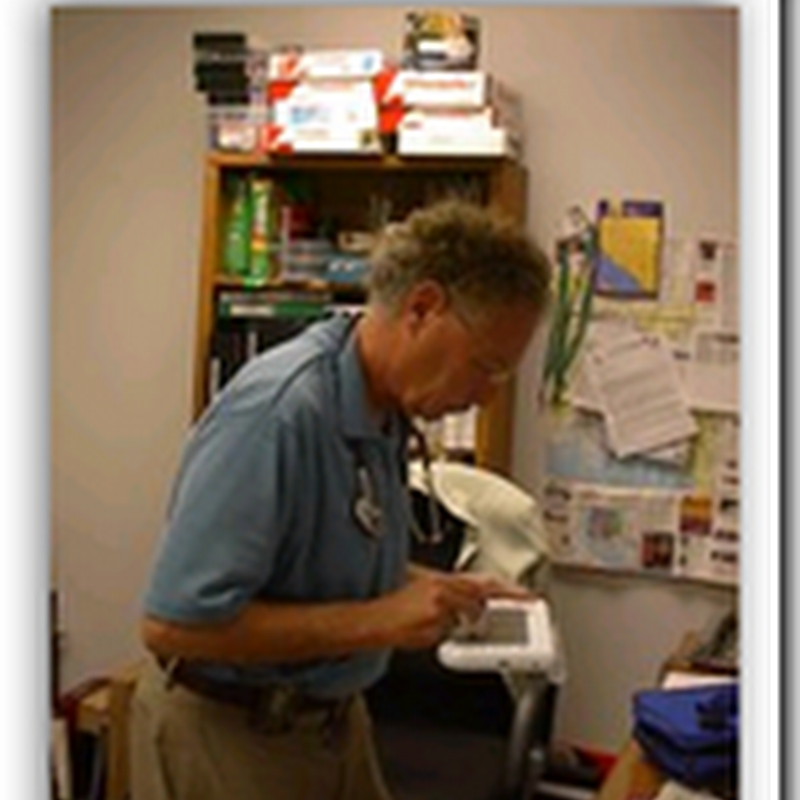
Mr. Gates made the announcement official – the fortune will go to the foundation, nice move and health care can surely use all the financial help available today and tomorrow.  Bill Gates as shown here with a Tablet PC.  BD 

image While being the child of Bill and Melinda Gates no doubt has its share of perks, financial security may not necessarily be one of them. Bill Gates has promised that he will leave his vast $58 billion fortune to the charity started by him and his wife, the Bill and Melinda Gates Foundation, and not to his offspring. Gates -- who is officially stepping down as the chairman of Microsoft next Friday -- said of the decision that he and his wife made, "We want to give it back to society in the way that it will have the most positive impact."

Bill Gates Leaving His Fortune to Charity, Not His Kids - Switched

New Personal Health Records Change Market

The HealthVault and Google Health have already begun to impact the market and how the consumer thinks about health records today as this report indicates. With the recent partnership with Kaiser and the Microsoft HealthVault, I have already had some conversations with practices, hospitals, etc. on what are you going to do when you see an “out of network” Kaiser patient that wants to offer some health record information they have stored in their online charts? The answer was…ummmm…dunno? I mention this as to bring an awareness to be prepared for the beginning of part 1 as with the large number of Kaiser patients already familiar with accessing their records online, I would anticipate this to be one of the first scenarios to perhaps come in to play. Are you ready to accept the information and do you have a set up to facilitate this? As soon as the patients can access their Kaiser records in the HealthVault they will have the ability to choose what they want to share.

Even if you do not have a full on EHR, there are steps that one can take to at least have a temporary encrypted data storage procedure, in other words be ready so panic does not set in when the “informed Kaiser patient” arrives on your doorstep. BD

The Cambridge, Mass.-based company's report describes how the two companies will significantly alter the health care industry by bringing new tools to consumers that allow them to take a more pro-active approach in managing their health, as well as the impact they already are having on other PHR vendors. "Google and Microsoft have already had an impact on the market simply by raising consumer visibility," says John Moore, managing director. "PHR vendors are now directly experiencing the impact of this visibility with a significant increase in the number of requests for proposals from employers, providers and health plans. But with this increase in demand, consumer expectations will also rise, putting significant pressure on smaller, less capable PHR vendors and thus putting them at risk.

Report: New PHRs Change Market

DEA To Propose Rule To Allow E-Rx of Controlled Substances – Sign up for FREE E-Prescribing Information

If you haven’t heard enough about e-Prescribing this week, well here’s more, and potentially good news from the DEA.  Last month I had referenced an article from Paul Levy and he mentioned a test pilot program that was in place, so hopefully the pilot program has had some good results, as the article referenced the hassles it creates in the ED of not being able to e-Prescribe. 

To get signed up as a physician for “FREE E-PRESCRIBING” there is a permanent link on this site where any physician can sign up at no cost, so if you do not have an electronic medical records system that can handle this for you, this is a good place to start.  BD 

The rule would apply to "Schedule IV" medications -- such as the insomnia treatments Lunesta and Ambien, as well as the anti-anxiety medication Xanax -- and "Schedule V" medications, such as the pain treatment Lyrica. According to an individual familiar with the situation, the rule also would apply to "Schedule II" medications, the most restricted category, which includes the attention deficit hyperactivity disorder treatments Concerta, Adderall  and Ritalin and the pain medication OxyContin.

DEA To Propose Rule To Allow E-Rx of Controlled Substances - iHealthBeat

Medicine's Next Big Thing: MIT Breakthroughs

Medicine is in between layers of the film and used with a small implant, inserted with the use of robotics.  The bandage is just one of 3 devices being tested.  BD 

The etched patterns in the researchers’ microchip mimic the gecko's feet. A layer of biodegradable glue helps the bandage stay sticky when wet and could eliminate the need for stitches.

And the future ofimage delivering medicine could be in a device called Micro-Pharmacy. Medicine is sandwiched between positive and negatively charged layers of film. Researchers hope to implant the chip in patients to deliver drugs to targeted areas in the body.The light weight disposable plastic spherical mechanism takes the guesswork out of finding the accurate biopsy spot. Currently, a CAT scan uses radiation so doctors cannot be in the room when it is done. Doctors watch through a monitor then return to the patient. But Robopsy will change that.

http://www.ivanhoe.com/channels/p_channelstory.cfm?storyid=18916

DiabetesMine" Design Challenge: MEET THE WINNER

This is really neat, video and more information at the site, it’s basically a pez candy like dispenser with glucose strips with a disposable container.  Nice work from the kids.  BD

If you recall, this competition is generously sponsored by Cory and Justin Oringer, two imageyoung brothers (ages 14 and 11, respectively) who have both been living with Type 1 diabetes for more than 10 years each, and are huge enthusiasts for design innovation in diabetes technology.  Additional prize money is provided by DexCom and two  other “angel investors.”  On the judging panel, we’re proud to have experts from both MedGadget and IDEO design.  Entrants, I believe that you have done them proud!

http://www.diabetesmine.com/2008/06/diabetesmine-design-challenge-meet-the-winners.html

Source:  Medgadget (also one of the judges)

Technorati Tags:

The new doctor-patient paradigm

The relationship between patient and physician has changed dramatically the last few years and you would have to be deaf and blind not to see this in recent visits to doctor’s imageoffices.  This article points out how the role of somewhat parenting has gone to partner today.  The doctor used to be the focal point whereby we received all our relative medical information and education, but that process has changed, especially with the new “informed patient”, who had done some homework before ever arriving at the office for their appointment.  It is an adjustment from both sides of the coin.  Good article and well worth reading from Medical Economics, and yes Marcus Welby seems to no longer practice.  BD 

The doctor-patient relationship has changed dramatically with the demise of 'good ol' doc' and the explosion of medical technology," says Paul M. Ross, an orthopedic surgeon in Pawlet, VT. "Today, patients are not only more knowledgeable, they're more cynical. The increased use of physician extenders, hurried service, and overbooking have all contributed to the number of physician-patient relationships that are adversarial as opposed to collegial.

Ahmet Ucmakli, an FP in Temeluca, CA, laments that "neither physician nor patient trust each other anymore. Owing to the intrusive effects of third-party payers, physicians are, at best, advisors; more realistically, we're waiters who take orders from patients, insurers, and administrators." In Philadelphia FP Brad Stoltz's view, the "constant threat of litigation" has eroded the physician-patient bond.

The new doctor-patient paradigm - How the shift from the "physician as wise parent" model to one of more shared responsibility is playing out in the exam room. - Medical Economics

Coffee Aroma Reduces Stress

Now you can brew the coffee, and just enjoy the aroma while you consume your green tea….BD 

New research shows you don’t have to drink coffee to feel its effects – just smelling it can jump-start genes in the brain. When they experimented on lab rats, an international group of scientists found inhaling the aroma of coffee changes the activity of genes in the brain in a way that helps reduce the stress of sleep deprivation.

Hundreds of studies have been done on the ingredients in coffee and its health benefits. However, few have dealt with how the aroma of coffee can help your health.

http://www.ivanhoe.com/channels/p_channelstory.cfm?storyid=19051

Rally calls for universal health care - Pennsylvania

Yesterday it was San Francisco and rallies were also held in Pennsylvania.  Rallies also were held in Allentown, Harrisburg, Philadelphia and Pittsburgh. BD 

WILKES-BARRE — Universal health care supporters who gathered at a rally on Public Square on Thursday spoke out against health insurance companies charging people too much and covering too few people and stressed coverage should be extended to all.

Click Here!Luzerne County Green Party co-chairman Carl Romanelli, who is active with Health Care 4 All PA, spoke in favor of House Bill 1660 and Senate Bill 300 which, if passed, would create a single-payer universal health insurance system for all Pennsylvanians.

http://www.citizensvoice.com/site/news.cfm?newsid=19789671&BRD=2259&PAG=461&dept_id=455154&rfi=6

American Red Cross Responds To United Way Funding Cuts

As budget cuts continue across the US and states, so do the levels of contributions, this story in particular relates to the Red Cross in the Cleveland, Ohio area.  Where will the resources be that we have always counted on without funding?  BD  

The funding cuts from United Way completely eliminate funding for job imagetraining for the economically disadvantaged through the Red Cross' Nurse Assistant Training program, placing at risk thousands of elderly citizens who rely on well-trained Red Cross nurse assistants to provide them with care at a vulnerable time in their lives. The cuts threaten the strength -- if not the survival -- of all of the Red Cross' other essential programs, such as CPR, AED, First Aid and Water Safety and Learn to Swim programs that teach citizens vital lifesaving skills. In short, this action by United Way puts the Red Cross mission and our community at risk. "When we received the initial correspondence from United Way regarding changes in funding, we knew we would be receiving a reduction over current and past year totals," said Mary-Alice Frank, CEO. "However, the actual funding allocation is dramatically less than what we had anticipated -- and more devastating than the prior proposed cuts which already threatened our essential programs. "As we all are acutely aware, the Greater Cleveland community is in an economic crisis," continued Frank. "As funding for the Red Cross decreases, the needs of families in our community continue to increase. If we question the timing and the scope of cuts to social service agencies across the community, it is only because we know first hand that families here have never needed the help more than they do today.

American Red Cross Responds To United Way Funding Cuts

Mirror neurons control erection response to porn

Is there anything that doesn’t get studied today?  I guess if you had an MRi not seeing enough use, this could help recover costs on down time…BD 

You don't have to be a scientist to observe that pornographic images lead to erections in men. But you would have to be one to show those images to volunteers while meticulously measuring the volume of response in the brain and penis.

The study, says Mouras, is the first to suggest that mirror neurons are involved not only in observed actions, but in the "automatic" responses to those observations – in this case, erection.

Vilayanur Ramachandran, at the University of California at San Diego, who also studies mirror neurons, calls it a "bold" study, and congratulates the group on defying the taboo on studying human sexual physiology.

Mirror neurons control erection response to porn - sex - 16 June 2008 - New Scientist

Microsoft Math for Word – Free Add on for Word 2007

Nice add on for Microsoft Word 2007.  Are you doing research papers, clinical study findings, etc. this might be a useful tool.  Thanks to Sarah for this post.  BD 

The free download I’m talking about is a Microsoft Math add-in for Word 2007 users. imageThis add-in lets Word handle things that you may have thought only Excel was capable of doing. With the Math add-in, for example, you can create graphs, perform calculations, and solve for variables – and all from within Word. You can even plot elements in 2-D and 3-D. This is great for those who are writing research.

  • Plot a function, equation, or inequality in 2-D or 3-D
  • Solve an equation or inequality
  • Calculate a numerical result
  • Simplify an algebraic expression

http://on10.net/blogs/sarahintampa/Free-Download-Microsoft-Math-for-Word/

Tool Helps Patients Select Physicians – United Health Care

One more selection tool in the search for a physician from United Health Care.  Recent polls have shown that patients are still relying on word of mouth for the most part. I understand the process here but again, recent comparisons have not been fair to the physicians as far as ranking.  The location process in finding a physician in the area is not a bad idea, but how slided are the ratings?  BD  

Ingenix, a unit of Minneapolis-based UnitedHealth Group, on June 23 will introduce data aggregation and analytics software to help consumers find the physician that best matches their personal characteristics and preferences. The vendor is marketing its Best Match Search service to insurers and other entities to offer on their Web portals. It includes aggregate claims data from 27 million episodes of care. A consumer who needs knee reconstruction surgery, for instance, could complete a questionnaire to query physicians in their area who specialize in such surgery, accept their health plan coverage, are a specific gender, and have quality ratings that the consumer can view, among other factors.

Tool Helps Patients Select Physicians

Veterans to Receive Chantix Warning Letters

First it was the FAA and now additional government agencies are taking a closer look with warnings to consult their physician.  How much information though has been given to the physicians on the risks?  That would be my next question as this has been all so very recent.  Has the information been relayed to the physicians across the US?  BD 

The VA is sending letters to more than 30,000 veterans who are taking the smoking-cessation drug Chantix, warning them of the drug’s possible side effects, including suicide.

The move comes a few days after ABC News and the Washington Times reported that the agency had waited months before notifying vets taking Chantix as part of a study that the drug was associated with psychiatric side effects in some patients. The vets in the study had PTSD and were trying to quit smoking.

http://blogs.wsj.com/health/2008/06/20/veterans-to-receive-chantix-warning-letters/

Cheap Generics Become a Necessity for Retailers – Giant Grocers jumps on the bandwagon

The plan with Giant is to offer a month supply for $9.99.  Giant stores are located in the Washington DC area.  BD 

The biggest grocer around Washington, D.C., just boarded the cheap generics bandwagon. Giant Food said yesterday that it’s selling a three-month supply of 350 imagegeneric drugs for $9.99. That’s one of the lowest prices yet.

Since Wal-Mart started charging $4 for a 30-day supply of generics a few years back, a bunch of other retailers (Target, Kroger, Ralphs and Safeway, to name a few) have followed suit.

http://blogs.wsj.com/health/2008/06/20/cheap-generics-become-a-necessity-for-retailers/

Owe Taxes? IRS Could Dock Medicare Reimbursement

Now that data bases are connected and talking with each other, this is another area image where Business Intelligence is making a connection.  Starting in October, CMS will subject 60% of Medicare fee for service payments to an IRS cross check, so get those back taxes paid or the Medicare checks could be even a bit smaller.  Business Intelligence software allows for the cross queries to be made and individuals and facilities identified, and one more reason that many hospitals are engaging in implementing such, plus it makes the business of running a hospital or large clinical group much easier with real time reports available from a portal with a few clicks.  CEOs can get real time figures on where the facility stands at any given time.  BD 

Health-care providers who treat Medicare patients owe more than $2 billion in back taxes.

That finding, out yesterday, is one in a series from the Government Accountability Office — but the subtext isn’t about the money, per se. OK, it’s always about the money. But in this case the Congress is pushing Medicare administrators to use a federal system that allows the IRS to garnish payments to government contractors who owe taxes.

http://blogs.wsj.com/health/2008/06/20/owe-taxes-irs-could-dock-medicare-reimbursement/

Technorati Tags: ,,

Detecting the efficiency of a drug on a body part – Personalized Medicine…

The company, Accium Biosciences runs a device called a spectrometer, and it qualifies the amount of c-14, present in a sample, so what does all this mean?  The image sample gives information relative to the drug makers as to how the drugs are working, big news coinciding with personalized medicine. This can relate vital information before setting off with clinical trials.  This process is just beginning in the US and it might make sense for the pharmaceutical companies to think about owning one of their own.  Patents are pending for the device.  This could allow for determining known side effects before any clinical trials get going. "I start biotech companies," he said…BD  image

Glenn Kawasaki, a serial Seattle biotech entrepreneur, now runs one of four companies in the world that can detect almost exactly how much of a pharmaceutical company's drug reaches a targeted body part. But despite revenues that are expected to triple this year and customers that include five of the 10 largest drug companies in the world, Kawasaki hopes to sell the business and instead concentrate on its potential applications in the field of personalized medicine. What would happen, he asked, if instead of drug companies, his customers were patients? Potentially, he said, a doctor could give a patient with a brain tumor a higher dose of the one drug that most effectively reached the tumor, sidestepping additional drugs that could have harmful side effects.

Detecting the efficiency of a drug on a body part

Nurse Staffing Mandates Are No Quality Panacea - California

Do the mandates help?  With cash stricken hospitals, to meet goals for the appropriate number of nurses per patient, cuts are made in other areas such as technology purchases and medical record updates, infection control, etc. and the  hardest hit are the government and non profit hospitals.  California is the only state that has a mandate on the issue, however others are considering the same.  BD  image

Some California hospitals had a tough time hitting the staffing mark, however — particularly “safety-net” facilities that care for the poor and uninsured. Just 11.4% of the 332 hospitals studied had fewer than one nurse for every five patients in 2004. Nearly all of those were urban non-profit and government hospitals, or facilities with a high proportion of patients on Medicaid or without insurance. Many were losing money, presumably crimping their ability to hire.

Hospital administrators will also tell you that poor hospitals may ramp up staffing to avoid regulatory trouble; but in return they’ll have to skimp elsewhere, perhaps on infection control, record-keeping software, or other staffing. “They may decide, sure, we’ll give you one nurse to four patients, but then everything else has to go,” says Rose Gonzalez, an American Nurses Association lobbyist.

http://blogs.wsj.com/health/2008/06/20/nurse-staffing-mandates-are-no-quality-panacea/

A plea to save hospitals - Los Angeles USC Medical Center

If the proposed budget cuts go through, 60,000 children stand to lose benefits.   The LA county USC Medical Center is one of the nation’s busiest health care networks.  One cut has already been passed which is a 10 percent reduction in fees to Medi-Cal providers effective July 1st, and it is already very difficult to find a physician or facility that will take Medi-Cal already, so this will not make it any better. "We're looking at a catastrophe being visited on 75 hospitals," Lott said.  BD  image

Nurses, politicians and union leaders stood on the steps of the Los Angeles County-USC Medical Center on Thursday to decry proposed state budget cuts to health programs, which they called the biggest blow to hospitals in a quarter-century. Almost immediately, the more than $50 million in proposed cuts to the Los Angeles County health-care system would lead to longer emergency room lines at private hospitals, reduce the number of ambulances and slash services to the county's most needy residents, they warned.

A plea to save hospitals - LA Daily News

New TV Ad Launches National Protest of Health Insurers

Los Angeles City Attorney launching a campaign in San Francisco to crack down on the health care insurance practices in the State of California.  The ad will be launched in 19 other cities in the US.  Mr. Delgadillo is pursuing the efforts to bring the health care industry back to terms with providing health insurance coverage without unlawful practices that hurt consumers.   BD 

On the eve of a national day of protest against health insurance corporations, Los Angeles City Attorney Rocky Delgadillo will join a number of patients outside an insurance industry convention in San Francisco, today, June 18 to unveil a new television advertising campaign targeting the insurers and their denial of care.

The protests, the largest related to healthcare in many years, will be extensively covered at the new Guaranteed Healthcare Blog, www.GuaranteedHealthcare.org/blog, a project of the Leadership Committee on Guaranteed Healthcare.

New TV Ad Launches National Protest of Health Insurers June 19th | Guaranteed Healthcare

Massachusetts shines in tech study, Calif. loses luster

Being in the tech business myself, not only having created software in the recent past and currently working in health care, I do have to say it has been a difficult road to go in many ways and education is a large portion of the issue.  One of the big problems I image have found is an overall resistance to the mobility move, in other words having Internet connectivity and the availability of information while on the move has not quite set in yet.  I do quite a bit with mobile devices and write about such on this blog and yet I walk in with a connected “tablet PC” or a potential data solution and sometimes it can be like talking to the wall.  We still do have some of the best absolute talent in California; however the resistance to change and educate others with a sense of passion is still alive and well unfortunately at times.

Unless the overall end users are actively engaged in wanting to learn and make technology work for them, it’s a real uphill battle. The captain of every ship is the key to success and perhaps that may be another area worth addressing, some new captains or perhaps steering the current ones in a new positive direction. 

Perhaps someday we will have a common user interface such as shown in the video  in healthcare as is being created and developed by the NHS in the UK, and here’s another story about the $150,000 Polenator that has been developed in Massachusetts…perhaps these are some of the area whereby others have jumped ahead in the polls…BD 

Massachusetts remains the "gold standard" for mining economic growth from technology and science while California is losing its luster, according to a study released Thursday. The report by the Milken Institute has ranked Massachusetts as the United States' top technology incubator all three times that it has been compiled since 2002. But California slipped from second place for the first time, despite being home to Silicon Valley's fount of innovation.

Mass. shines in tech study, Calif. loses luster

Technorati Tags:

Thompson to Payers: Force E-Scripts

More updates on e-Prescribing from Congress and former Health and Human Services Secretary about changing the behavior of physicians when it comes to going paperless, but on the other hand, let’s change the thoughts of the DEA at the same time, as if they don’t get behind the effort, that’s one more item in the way.  The DEA is supposed to be turning in their report shortly, so is this another government agency falling behind a bit with technology similar to what has happened at the FDA? Can we all get on the same path here?  Even the physicians who are using e-Prescribing and like it, hate the fact that they have to pull out paper for the 4 part scripts.  Data trails can do it better than paper any day.  BD 

Health insurers should force physicians through reimbursement policies to adopt electronic prescribing technology, former Health and Human Services Secretary Tommy Thompson told payers during a keynote presentation June 19 at the America’s Health Insurance Plans’ Institute 2008 in San Francisco.

Breaux and Thompson told attendees that major, systematic change in the health care system is right around the corner, and both predicted congressional passage of a reform bill next year. “2009 will be the biggest year in health care transformation that we’ve ever seen,” Thompson said.

http://www.healthdatamanagement.com/news/26496-1.html?CMP=OTC-RSS

Unable to focus? Welcome to our distracted society's attention deficit (aka SAD)

This article makes some real points, some of the same things I say myself and have written about in the past, yes we are connected, but at the same time we can be very disconnected as distractions continue to mount in just our every day lives.  The erosion of attention does give way to the erosion of society; however, if we are aware and take measures to take breaks here and there, it is not impossible.

This video via Engadget offers a little humorous view into a connected office computer guy and the unconnected employees, or what he deems is non connected…BD 

Understanding the science of attention and technology's role in eroding -- and perhaps someday improving -- our ability to focus Cell phones, Blackberries, e-mail, laptops allowing people to bring their work anywhere, news arriving in perfectly condensed and filtered snippets via the Internet and TV, never before has communication been so instantaneous and information distributed so quickly. Never before have people been so connected.

Never before have we been so disconnected. This, she concludes, is due to the erosion of attention. After extensively researching the history of communication and transportation technology, today's society, and scientific studies of human cognition, Jackson has documented her compelling case and some possible remedies in DISTRACTED: THE EROSION OF ATTENTION AND THE COMING DARK AGE.

Unable to focus? Welcome to our distracted society's attention deficit

Freedom Meditech promises glucose-monitoring eye scanner

One more way to get around having to prick your finger.  The product is the size of a small pair of binoculars and the article states they are looking to begin clinical trials..BD 

image There's certainly no shortage of efforts out there to make glucose monitoring a bit easier for diabetics, but Freedom Meditech is now claiming to have developed one of the least invasive to date and, what's more, it says it's actually gearing up to start some clinical trials. That latter bit is apparently possible thanks to a newly formed partnership with Batelle, which is helping to raise the necessary capital, while the former bit got a boost from an arrangement with the University of Toledo, whose technology it is licensing. The key bit, it seems, is that Freedom Meditech's method involves scanning only the front portion of the eye (or, more specifically, the Aqueous humor where the glucose resides) instead of shining a light on the retina, which some similar methods use.

Freedom Meditech promises glucose-monitoring eye scanner - Engadget

Medical mistakes no longer billable

Massachusetts becomes the next state following New York that will not pay for medical errors, and Medicare had set the pace on this being first with their list.  I can see where it will create a greater level of responsibility, but there has to be some gray areas that will imageneed to be dealt with, and in the meantime, what will happen if a hospital has an error and they are one of the unfortunate facilities (around 50% or so in the US) that are currently bordering on insolvency?  I agree facilities should be  responsible and nobody wants to be the victim of a preventable error, but what happens when one incident with lawsuits and investigations has the power to potentially close or bankrupt a facility in the pursuit of doing the right thing, or is it the right thing?  BD 

Hospitals and doctors who operate on the wrong limb or give a dangerous dose of medication will no longer be able to bill the state of Massachusetts or its largest private health insurer for costs related to fixing the error, health authorities announced yesterday. more stories like this The policies outlined separately yesterday by state government and Blue Cross and Blue Shield of Massachusetts have the potential to influence the care of about 4 million people in the state and substantially increase the pressure on hospitals to improve the quality of care.

Medical mistakes no longer billable - The Boston Globe

Taser Parties Now Hotter Than Mary Kay or Tupperware Parties

I thought I somehow misread this, but I was wrong, Taser parties, what next?  What do the new owners of a Taser plan to do with these? This might be the next round of patients visiting the ER soon after a family feud, “I only tasered him once and I just can’t understand why he’s complaining, as these are supposed to be harmless”.   Good luck to the ER physicians on this one.  BD  image

Do you have one of those "friends" who only calls you when he or she is hosting a "party" to sell some product or another? Companies like Mary Kay Pampered Chef rely on these so-called friends pumping everyone they know for cash to do their business, and while just a few years ago sex toy parties were all the rage, a new type of retail party is starting to make the rounds of living rooms across the nation: the taser party. They're just like any other shopping-focused get-together, except in this case, instead of kitchen gadgets and overpriced makeup, party guests examine non-lethal self-defense weaponry. They're invited to check out a selection of tasers (including a pink model), pick out a model that fits in their purses the best, and, if we're interpreting the video at the Read link below correctly, even taser husbands to get a feel for how the thing operates. Now that sounds like much more of a party than exchanging muffin recipes and buying expensive whisks. [Source: CNN]

Taser Parties Now Hotter Than Mary Kay or Tupperware Parties - Switched

System constraints forcing Canadian physicians to become medical brokers in prioritizing

I wouldn’t think this is a good spot to be in for the physicians, as it puts many on long waiting lists and the patients they feel would have the best outcomes are moved up the ladder.  Surgeons stated they would do more surgeries if more operating room time was available.  BD 

Hip/knee replacement candidates Health-care system constraints combined with a lack of a uniform referral process are leaving Ontario physicians brokering which patients are in greatest need of hip and knee replacement, a study led by a St. Michael's Hospital researcher funded by the Canadian Institutes of Health Research has revealed. The variability in this process means not everyone who needs this surgery will actually get surgery. "Findings from our study suggest several system factors are shifting the onus to physicians and surgeons to prioritize which candidates will receive hip and knee replacement," said lead author Pamela Hudak, a researcher in the Keenan Research Centre in the Li Ka Shing Knowledge Institute of St. Michael's Hospital. "Physicians appear to adjust their criteria, often on a case-by-case basis, to identify which patients will be referred for or, in the case of surgeons, offered surgery. Ultimately this results in a varied approach in determining the best candidates, leaving many eligible and suitable candidates on waiting lists or to manage their problems as best they can with conservative approaches like medications."

System constraints forcing Canadian physicians to become medical brokers in prioritizing

Russian Spa – Strange New Monument – The Enema

Dedicated to the Caucasus Mountain region which is known for dozens of spas where enemas with spring water are administered to treat digestive complaints, the angels and the bulb….only in Russia…BD 

In this Wednesday, June 18, 2008 hand out photo, nurses are seen, posing near a monument to enemas at Mashuk Akva-Term Sanatorium in image the town of Zheleznovodsk, Russian Caucasus Mountains region. Alexander Kharchenko, director of the Russian spa says the world's first monument to enema treatments has been unveiled at the spa in the southern city of Zheleznovodsk. The bronze syringe bulb, weighs 800 pounds and is held by three angels.

In this Wednesday, June 18, 2008 hand out photo, nurses are ... - Yahoo! News Photos

Canada and Australia to help California Stem Cell Efforts

When it comes to stem cell research, the US is not the only one interested in what is going on in California as the potential to find cures for many diseases today depends on stem cell research.  BD 

Australia and Canada pledged their support to California’s stem-cell initiative June 18 with partnerships intended to spur innovative stem-cell research. Canada said it would donate an initial $100 million over three years to the Canadian Cancer Stem Cell Consortium, which will work in tandem with the California Institute for Regenerative Medicine, an initiative established in 2004 after voters approved Proposition 71.The forces will try to gain greater understanding of the role cancer stem cells play in the development of the disease.

http://sdbj.com/article.asp?aID=74201593.9499523.1643317.4613425.8123649.541&aID2=126400

New Glucose Sensor Technology Connects To Mobile Phones

This would give the cell phone the potential to monitor insulin delivery for the patient.  They are looking at a disposable skin patch to take measurements and report the levels to the phone.  This is being funded by DARPA in part who initially developed the skin patch technology to monitor the status of soldiers in a battlefield.  All 3 contributors have agreed to combine their intellectual property and expertise to the project and down the road, finger pricking could be a thing of the past.  BD  image

Georgetown University, Gentag and Science Applications International Corporation, have combined forces to develop a non-invasive method for glucose measurement. The three technology leaders agreed to combine their respective intellectual property (IP) and expertise to create a new method to monitor glucose, using disposable skin patches with wireless sensors and cell phones. The resulting products could eliminate the need for finger pricking with lancets to draw blood for people of all ages with diabetes. "This alliance provides an excellent example of cooperation between academia and industry to bring creative healthcare solutions to the marketplace," said Claudia Stewart, Vice President of Technology Commercialization at Georgetown University.

New Glucose Sensor Technology Connects To Mobile Phones

PacifiCare of California fined

It appears a smaller fine here was due to the fact that the cancellations were not retroactive, and the amount of the find reflects the same.  3 consumers were reinstated.  BD 

State regulators on Wednesday fined PacifiCare of California $50,000 as part of an agreement with the health insurer to resolve problems stemming from policy cancellations. The plan also will offer coverage, an expedited dispute resolution for claims and prospective health coverage to approximately 57 former members.

DAILY DIGEST

Competing for biotechs' attention – State Governors attending the Biotechnology Industry Organization Show

Keynote was given yesterday by Governor Arnold Schwarzenegger…and what California is doing to promote.  The biotech industries have what everyone else wants, potential cures, research, etc. and the states are vying to attract more of them with incentives, tax cuts, etc.  California and Massachusetts are definitely the 2 in the front running when it comes to overall companies and promotional incentives.  Biotech is having a major influence in almost every part of our every day life and the breakthroughs and research is almost a daily event.  BD  image

Everywhere you look at the world's biggest biotech show here this week, politicians and economic development officials are fighting for the attention of industry executives. At least a dozen governors planned to attend the Biotechnology Industry Organization show. The convention floor is crowded with more than 60 pavilions run by states, nations, and regions, ranging from Oklahoma to Spain.

"I think our ability to attract and retain the best and brightest talent in the world is being challenged by other parts of the world," said Matthew Gardner, president of BayBio, which represents Northern California's life sciences industry.  California and Massachusetts are also battling with each other. California Governor Arnold Schwarzenegger talked up the state's biotech industry during yesterday's keynote speech at BIO, boasting about top research centers, tax credits, that state's existing base of biotech companies, and a $3 billion investment in stem cell research. "This is more than any nation in the world is doing," Schwarzenegger said.

Competing for biotechs' attention - The Boston Globe

American Well and Microsoft Enter Into a Strategic Collaboration - HealthVault

Consumers in Hawaii will be able to use their health information from HealthVault to use online consultations with providers on the American Well System, Blue Cross Blue Shield of Hawaii.  In other words, the consumers who are part of the American Well network will be able to communicate with their provider if they are on the network and utilize information from their HealthVault.  As always the consumer is in control of what information is shared.  One more partner for the MS HealthVault.  BD image

SAN FRANCISCO, June 19 /PRNewswire-FirstCall/ -- Today at America's Health Insurance Plans (AHIP) Institute 2008, American Well Inc. and Microsoft Corp. announced that they have entered into a strategic collaboration to introduce an integrated consumer health solution that brings together American Well's Online Healthcare Marketplace and Microsoft HealthVault, Microsoft's online consumer health platform. The integrated solution will allow consumers to use their health information to interact live, online and on-demand with physicians from their home or office.

StreetInsider.com - American Well and Microsoft Enter Into a Strategic Collaboration to Bring Healthcare to People's Homes

Icahn says blog to go live on Thursday

Mr. Icahn has been in the news lately with Yahoo, and I’m sure there might be some bio med posts to emerge as well once it gets going, perhaps an update on Biogen…BD 

image NEW YORK (Reuters) - The New York Post can finally drop its Carl Icahn blog-watch timer. The long-delayed Icahn Report blog is going live on Thursday, the financier and corporate agitator said on Wednesday. The billionaire investor first disclosed that he will join the blogosphere in February, offering up anecdotes and a running commentary on what he describes as the desultory state of corporate governance in America.

Icahn says blog to go live on Thursday - Yahoo! News

Costs Crimp Adoption of Electronic Health Records

Well the battle is over as far as electronic medical records being beneficial.  Cost has always been an issue, but even more so now.  At the HIMMS annual convention this year I did an interview and was asked the exact same question, what is taking soimage long, same answer, cost and money.  Here’s a related story about what is being done at Beth Israel Hospital in Boston, they are subsidizing and helping their community physicians. Stark allows for an 85/15 split, so there is some investment on the physician’s part, but that sure beats 100%.  BD  image

Only 4% of docs have implemented electronic health records with all the bells and whistles that wonks say will make care safer and more efficient. And only another 13% have implemented electronic records of any sort. The main factor preventing most physicians from adopting EHRs — all together now — is cost.

http://blogs.wsj.com/health/2008/06/18/costs-crimp-adoption-of-electronic-health-records/

The attack of the Killer Tomatoes continues Salmonella -Cases Rise

This is partly due to some states beefing up surveillance of the tomato crops as well…Mexico and Florida seem to be the potential culprits, but nothing is set in stone..in the meantime, don’t eat the tomatoes.  I’ll be glad when this is over so life with tomatoes on my hamburger are back to normal.  BD 

Federal health officials have received a wave of new reports from people believed to be sickened by a rare salmonella strain linked to tomatoes. Investigators remain stumped about the source of the tainted fruit.image

ABC News: Tainted Tomatoes: Salmonella Cases Rise

FDA hopes to open China offices by year end

There is also an agreement in place to work together on traditional Chinese medicines.  It will be interesting to see how this all comes together.  Will this be staffed by actual FDA employees or be potentially outsourced to a private company to staff and run, and one other thing that comes to mind, would an outsource company be based from the US or would it be run by an offshore company in China?  Many questions, but we’ll know more as time moves on. It would be nice to see actual FDA employees staffing the office. BD 

ANNAPOLIS, Md (Reuters) - China has granted diplomatic approval for the U.S. Food and Drug Administration to open three inspections offices in China that also will help increase China's capacity for safe foods, drugs and medical devices, a top Bush cabinet official said on Tuesday.

FDA hopes to open China offices by year end | Politics | Reuters

Decatur Memorial Hospital Becomes First In Illinois To Treat Cancer Patients With RapidArc" Radiotherapy Technology

The treatments are delivered with just one 360 degree rotation, the machine moves around the patient.  It is also helpful for those patients who have a hard time lying still for long time increments.  The time spent by patients for treatment is dramatically decreased.  This could in time become one of the preferred treatment plans for cancer, especially as related to tumors and prostate cancer.  BD  image

Decatur Memorial Hospital became the first medic al center in Illinois, and the third in the United States, to treat a cancer patient using RapidArc" radiotherapy technology from Varian Medical Systems (NYSE: VAR). John Hosler, an 85-year-old prostate cancer patient, received his treatment in just under 90 seconds -- a treatment that would have taken 15-20 minutes using earlier treatment methods

Decatur Memorial Hospital Becomes First In Illinois To Treat Cancer Patients With RapidArc" Radiotherapy Technology

Driving Medical Research Via YouTube and Facebook

Clinical Trial information is available here as well.  The You Tube site is set up to accept contributions, share stories, and more.  Using video media is a smart and intelligent way today to reach audiences quickly.  By combining efforts with Facebook, there’s even more information available in a simplified format, along with a link to contribute.  Private contributions today are making up a tremendous amount of the dollars being used for research.  This was partly generated out of the “fight for Mike”, a silicon valley executive and former Apple employee who was diagnosed with dementia and the foundation started has raised more than 7 million for research at UCSF.  Neurodegenerative disease research faces many challenges and is still somewhat in it’s infancy compared to other non-neuro research projects.  BD 

imageYouTube, the online video community that allows people to discover, watch and share originally created videos, has teamed up with scientists at The University of California, San Francisco to tap the video sharing platform to drive medical research.

To support the effort, the UCSF team is also reaching out with two other forms of online communication. They've created an electronic badge,  or "widget," containing links to the YouTube channel and the UCSF Memory and Aging Center web site that will allow people to spread the word about imagethe initiative via email and websites, including disease-education associations. They have also created a Facebook group, "Defeat Dementia."The "Fight for Mike" allocated $200,000 for UCSF to hire a company to create the CJD site on the Memory and Aging Center website. It will serve as a template for the creation of disease-specific site on each form of dementia in the coming years.

Driving Medical Research Via YouTube

Lipitor Goes Generic on 11/30/11

There’s still a few years left, but time for Pfizer to focus on other research projects and of course  investing more in biotech industries.  Who knows where health care will be when Lipitor comes off the protected patent list and personalized medicine might even be more of a factor at that time as well.  BD

Start the countdown. On Nov. 30, 2011, Lipitor, the biggest selling drug of imageall time, will face generic competition. Pfizer, which sells the cholesterol drug, has been battling generics manufacturer Ranbaxy to protect the Lipitor cash cow for a few more years. Ranbaxy had been pushing to sell the drug in 2010, when the basic patent expires; Pfizer had argued that various other patents should keep the drug locked up until 2016. Now the companies have settled their legal fight an

Health Blog : Countdown to Expiry: Lipitor Goes Generic on 11/30/11

FDA approves NeuRx diaphragm pacing system for use in spinal cord- injured patients

This was the system used by Christopher Reeves, it allows patients to breath more naturally than using a device forcing air into the lungs. The procedure involves  a laparoscopic surgery that is not too invasive. Thus far, 50 patients have been implanted with the device.  image Additional information can be found at the website to include doctors and facilities who provide the system.  BD 

"This is a major step in improving the quality of life for patients who have spinal cord injuries and cannot breathe without the help of a ventilator," said Dr. Onders. "Based on testimonials that I've received from patients who have been in the clinical trials, DPS provides patients with a freedom of mobility that they never imagined. They've sent photographs or videos themselves parachuting from planes, sailing solo, or enjoying rides at amusement parks with their families; activities impossible to do with a ventilator."

“The NeuRx DPS™ RA/4 consists of four (4) electrodes implanted in the diaphragm to stimulate the muscle, a fifth (5th) electrode under the skin to complete the electrical circuit, a connector holder, a cable and an external battery powered pulse generator. The pulse generator provides the timing and control of stimulus to regulate movement of the diaphragm muscle and affect respiration.”

FDA approves NeuRx diaphragm pacing system for use in spinal cord- injured patients

Employers urged to push health reforms – Intel Speaks out

According to Craig Barrett from Intel,  companies are not leveraging their buying power when it comes to negotiating insurance coverage, nor are they addressing the quality and access of care, just rather taking what is dished out for the dollar paid.  BD 

image WASHINGTON -- Employers have been passive in helping to drive change in the health-care system, even as they fret about the soaring costs of providing health care, several industry and government officials said on Monday. "We've just been writing checks," Craig Barrett, chairman of Intel Corp, said at day-long meeting of government and industry officials on health-care reform sponsored by the U.S. Senate Finance Committee.

Peter Orszag, director of the Congressional Budget Office, said he was encouraged by Barrett's comments. The Intel chairman "recognizes that the employer community needs to step up on this issue of costs," Orszag said.

Employers urged to push health reforms - Pittsburgh Tribune-Review

Former US health care exec gets prison time for helping Philippines company swindle millions

Health Visions owned and operated  hospitals and clinics in the Philippines.  Thousands of retired military personnel were cared for and services billed.  Claims were inflated by over 200% and there was a phony insurance program that billed for services never received.  He said he was sorry, but sorry was not good enough.  BD 

MADISON, Wisconsin: A former health care executive was sentenced Tuesday to five years in prison for helping his Philippines-based company swindle nearly $100 million from the U.S. military health insurance program. Thomas Lutz, 41, said in federal court he took responsibility for the six-year scheme in which Health Visions Corp. bilked $99.9 million from the military's Tricare program through inflated and fraudulent claims.

Former US health care exec gets prison time for helping Philippines company swindle millions - International Herald Tribune