92648

Senate Democrats Attack Republicans on Medicare - “There will be blood” (HR3661)

One senator wonders at this point why he is a Republican…and the Democrats were quick to have the names of those who voted against the bill, and it was published image immediately on the web.  Mr. Leavitt has stated he would hold new claims for 10 business days so doctors would not see the lower payments, which is good after the last incident posted a short while back where a federal judge had to step in and slap down the sneaky attempt to push the Medicaid cuts through at the end of May as they attempted a “type ridden final rule” filing in the Federal Resister before Congress could act, so hopefully with the 10 day agreement, this won’t happen again.  So until the matter is cleared, no payments for 10 days.  BD 

Democrats moved swiftly on Friday to assail Republican senators for voting against a major Medicare bill and said the Republicans should be held responsible for a 10 percent cut in payments to doctors that takes effect next week.

And doctors, pharmacists and advocates for Medicare beneficiaries said they would step up pressure on members of Congress when they return home for the Fourth of July recess.  In nearly identical terms, Democrats attacked seven other Republican senators: Lamar Alexander of Tennessee, John Barrasso of Wyoming, Saxby Chambliss of Georgia, John Cornyn of Texas, James M. Inhofe of Oklahoma, Mitch McConnell of Kentucky and Roger Wicker of Mississippi.

Michael O. Leavitt, secretary of health and human services, said he hoped to “minimize the impact” of the cut. Medicare said it would hold new claims for 10 business days, so doctors would not see the lower payments “until July 15, at the earliest.”

Joseph P. Lech, who owns five drugstores in northeastern Pennsylvania, said he was surprised and disappointed to see that Senator Arlen Specter, Republican of Pennsylvania, had voted against a motion to take up the bill, which would speed payments to pharmacies. “I’ve been a registered Republican for almost 30 years, but I am beginning to wonder why,” Mr. Lech said.

http://www.nytimes.com/2008/06/28/washington/28medicare.html?partner=rssyahoo&emc=rss

Technorati Tags: ,

Robert Scoble Visits Washington – How and Who is Using Technology…

Anyone who has been on the Internet for any amount of time knows who he is.  Recently I have talked about how far behind health care is in the government, but Robert was able to find some real technology is every day use, but as mentioned below things are a bit slow in Washington in some areas and he didn’t make it to the FDA (grin).  Some of the areas of concerns that kept coming up are below, but these are just a couple as they relate to technology and education/healthcare. 

Now for the really neat part of some of these interviews, he was capturing some of this with he cell phone and streaming live to the Qik network.  Earlier this year I wanted to explore this at a convention, but simply was not able to get everything together before attending.  Robert of course is a long time Tablet PC Fan and I have followed many of the articles and posts.  When I see where we are today, it’s amazing and I still go back to the video done at Overlake Hospital a few years ago on Channel 9 with Dr. Crounse and where we have come today.  If you haven’t seen it, take a look as it still has a lot of value today.  Continue on for a couple more videos below from Washington. 


“Technology usage has a long way to go in government. I had several conversations with both congressmen and everyday government workers who told me that entire departments were still storing all their data on paper, at great waste. John Culberson told me one of his goals is to get all parts of government data onto computers so that people can watch better where their dollars are being spent.

Several of our interviews mentioned that our education system needs to be rebuilt to make sure our workers are competitive with those from India and China. More scientists and technologists are needed, they told me, and we’re just falling behind other countries here.

Blackberries are used everywhere, though. Many Congressmen showed me that they carried two Blackberries: one for their campaigns and one for government business. Alec Ross told me that Barack Obama has very fast thumbs and is legendary for being able to whip out notes on his Blackberry. (I had to laugh a bit here as Robert made reference to the same video I had on the Medical Quack about McCain not being able to use a computer. BD)”

Now this video done via the Cell phone is great with Representative John Cullberson,  who also uses Qik and it humorous in the fact that he catches a cameraman with his cell phone.  Watch the video and see how the Congressman does it.  Some folks in Congress get it.  The congressman also Twitters too. 

One more video that was of interest was the FCC.  This was extremely informative and imagehas to do with communication, broadband, etc. which affects everything we do.  Great stuff as always and visit his blog and Qik to see more.  BD 

http://scobleizer.com/2008/06/28/debriefing-of-our-dc-trip/

Analyst Says Bristol-Myers A Buyout Target

Is the big pharma business the next industry to face the melt down and consolidation process?  BioTech investments are growing, and personalized medicine will also have an impact as activity continues to grow.  Sequencing machines and technology are also bringing that portion of the industry down to an affordable level. BD 

The pharma industry, like many other industries in the down U.S. economy, is due to consolidate. Big Pharma is facing a slew of patent expirations from some of the most profitable drugs in history in 2011 and 2012, leaving many large pharmaceuticals companies looking for acquisitions that will strengthen their pipeline and boost shares.

Analyst Says Bristol-Myers A Buyout Target - Forbes.com

Medicare to Test PHRs in S. Carolina

If this project proves to be successful, then watch out for Google Health and the Microsoft Vault who will want to integrate, which would be a good thing and added availability to share.  The project will last for 12 months.  CMS is activity encouraging the use of PHRs to hopefully get more involved in their own healthcare.  

The Centers for Medicare and Medicaid Services is seeking Medicare beneficiaries in South Carolina to participate in a pilot program to assess the benefits of using personal health records. Medicare will populate the PHRs with claims data, such as medical conditions, hospitalizations and doctor visits.

Medicare also will input medications histories in the PHRs following publication on May 28 of a final rule authorizing the collection of claims data under the Medicare Part D drug benefit program.

“We note that because this final rule applies to all Part D sponsors, it applies to any entity offering a Part D plan, including both prescription drug plan sponsors and Medicare Advantage organizations offering prescription drug coverage,” according to the rule. Beneficiaries will be encouraged to enter additional information and share the data with providers.

Training The Next Generation – EHR Training at the University Level

What a novel idea!  I say this tongue and cheek as it has been something needed for a long time.  After having been in this industry for a while, this has been one of the most difficult areas and to have some general training at the university level before walking in to an office using an EHR, this is great, and good news that someone is image taking the first step.  Shoot when medical assistants train, there has been donated billing software in existence in the schools for quite some time, so it’s about time for the next level of EHR to move in.  Even when a new installation goes in, this is still the hardest point sometimes to get a across, you do need training, but so many relate back to years ago when they picked up their old AOL free disc, and hey they were online, well things are just not that simple any more, there’s no picking up an EHR disc and going to town, it’s a bit more complicated.  BD 

Last fall, University of South Florida Health in Tampa added a new class to its medical school curriculum. But instead of focusing on an emerging disease or care regimen, the class provides instruction on how to use electronic health records.

The two-hour, single-session class covers various EHR topics, including security and specific uses. And now all USF medical students must take it at the beginning of each school year

USF Health created the EHR class at the suggestion of a new administrator who wanted the school to help prepare its students to work at clinics that use the technology. While the inaugural class didn’t require students to be tested on the material, the school plans to add tests next year, says Michael P. Williams, technical trainer at USF Physicians group, a 450-physician, multi-specialty group practice affiliated with the school.

http://www.healthdatamanagement.com/issues/2008_54/26553-1.html?CMP=OTC-RSS&page=1

Technorati Tags: ,

Temporary Halt To Medicare Reimbursement Cuts – HR 6331 Update stalled until July 15th – The shot heard round the country…Loud and Clear in Texas…

Somebody had to step up the plate here, so the deadline is extended to July 15th now.  In a related story:  from the Center for Medicare Advocacy

“One day after the Government Accountability Office reported that private Medicare Advantage plans made $1.14 billion more in profits than they had projected, Senate Republicans used the excuse of protecting these plans to defeat Medicare legislation that would prevent a pay cut for doctors from going into effect and that would add more assistance for low-income older people and people with disabilities.”

More here from the American College of Physicians….

GruntDoc states both Texas Senators chose to screw the docs…

The Texas Medical Association Backs off support for Cornyn

By the end of the day, the association's political committee, image TEXPAC, had withdrawn its backing of Cornyn, saying its board was "outraged."….But the Senator states here that Democrats chose political games over protecting Medicare…

Kevin, MD has a You Tube Video on Big Bad John….

Earlier the AMA spoke out….Congressional confidence at an all time low….

Read some reactions of how some physicians feel about this…and they are not happy…from EMR Update….”We plan to pull the plug on our Medicare participation”…”Many may join me in closing the office to new patients”…and so on, it’s about patient access as well…BD 

The House of Representatives clearly did their part….

U.S. Congressman Phil Gingrey, MD (R-GA) is pleased to announce that despite the Senate's failure to pass House-approved legislation to prevent a 10.6% cut to physicians' Medicare reimbursement, the Centers for Medicare and Medicaid Services (CMS) will effectively delay the scheduled cuts until at least July 15th - giving Congress time to address these cuts after the July 4th recess.

Earlier this week, Congressman Gingrey voted for a bill to prevent the automatic 10.6% cut to physician reimbursement which passed the House. Though the legislation failed in the Senate, the Democratic leadership chose to adjourn the House of Representatives for the Fourth of July recess with no announced plans to reconvene. In response to inaction by Congress, CMS announced it will instruct contractors to not process any physician and non-physician practitioner claims for the first 10 business days of July, in accordance with existing law. This delay should give Congress additional time to enact legislation to prevent these cuts on a more permanent basis.

Congressman Phil Gingrey Announces Temporary Halt To Medicare Reimbursement Cuts

GlaxoSmithKline Donates Cancer Genomics Data set to Public

If others follow in the same path this stands to set some new priorities on how studies are conducted and the development of personalized medicine.  BD 

In a move likely to up the ante in the emerging Open Source Drug Discovery movement, GlaxoSmithKline have announced the donation of image genomic profiling data for over 300 cancer cell lines to the National Cancer Institute's cancer Bioinformatics Grid (caBIG). According to NCI's FAQ, caBIG is "an open-source, open-access information network enabling cancer researchers to share tools, data, applications, and technologies according to agreed-upon standards and identified needs." caBIG is comprised of publicly-available datasets and open source software tools designed to interact with them.

GlaxoSmithKline Donates Cancer Genomics Dataset to Public Information Network

Battered Woman Imagery in Pfizer's New Fibromyalgia Ad

John Mack makes some good points about advertising here…how low do we have to go in essence to drive attention to the ads to sell Lyica, the approved drug for treatment of fibromyalgia

Pfizer has recently upped the stakes in its campaign to depict fibromyalgia as a "real" medical condition. In an non-branded "disease awareness" TV ad that I saw last night, this point was hammered home by images of a woman showing black and blue bruises over her body. She says something like "Maybe if people saw me this way, they will believe that fibromyalgia is a real medical condition." What I saw were disturbing images reminiscent of battered woman syndrome. The whole thing smacked of desperation on Pfizer's part to sell more drugs and represents DTC advertising sinking to a new low in exploiting women's fears!

Pharma Marketing Blog: Battered Woman Imagery in Pfizer's New Fibromyalgia Ad

Hat Tip:  Kevin, MD

Are Medical Meetings Environmentally Unfriendly

As in most industries, virtual meetings and web meetings are starting to make a large showing on the Internet.  When you stop and think about the price of fuel alone, this makes sense. Granted, I have done both and there really is no replacement for actually imagebeing there in real life to fulfill the full learning experience, but as things get tighter and fuel and other accommodations continue to rise, what’s the alternative?  We all know we are exposed to recycles diseases on board aircraft every time we fly as well.  Forbes

also addressed the same in a related article.  Products such as Microsoft Live Meeting are now becoming more popular.  And there are products such as Microsoft Round Table that make the experience even more life like. BD 

FRIDAY, June 27 (HealthDay News) -- Anyone who has arrived at Chicago O'Hare, Orlando or Dallas airports during one of the dozens of huge medical meetings held every year will no doubt encounter tens of thousands of specialists from all over world

thronging the hallways, the Starbucks, the luggage claim area.

Of course, the attendees use jet fuel to get to the meeting and gas to get from the airport to the hotel where, once they're checked in, they'll have the option or reusing or not reusing their towels.

Are Medical Meetings Environmentally Unfriendly? - washingtonpost.com

Training Surgeons From The Video Game Generation

New concept in training younger medical students with video simulation.  When you stop and think about it, this generation has grown with video games, etc and now this study is taking it to the next level to see if simulation is a technique that should be added to the study curriculum.  Ohio state is also jumping out front with taking the lead on personalized medicine.   The video training is slated to begin at hospitals around the country to see who does better, simulation or conventional.  BD 

The first generation of kids who grew up playing video games aren't kids anymore. Today, they're the backbone of the American workforce, and all that time playing games as kids, may be helping them now as adults. In fact, researchers hope to imageuse computer animation to not only help train the next generation of surgeons, but to see how good they can really be.

In order to give young doctors a feel for what it's like, Doctor Weit is training surgeons with a state of the art program developed with Ohio Super Computer Center that can do everything from mimic the movement of the drill to the density of the bone. Virtual patients can even bleed. It can give students life-like demonstrations before even turning over the knife.

Training Surgeons From The Video Game Generation - Study To See If Using Computer Animation Can Make Young Surgeons Better

Progressive MyRate drive-monitoring device goes national

The insurance business is getting more creative all the time.  This story has to do with car insurance and having a monitor study your driving habits, this is a way to offer incentives to those who’s device comes back with favorable results, but I wonder what happens at the other end of the spectrum, do their rates go up? 

If this is happening with car insurance and the technology is out there, will health insurers be looking at something along this line down the road?  In other image words hopefully we are not tied down to some device that monitors are level of exercise, etc. like the example with the car.  As insurance gets more complicated by the day, it does make one ponder if some technology like this will try to rare it’s ugly face on the human side of the insurance business.  Technology is already out there whereby a PC can read facial expressions, etc. and the logic behind this is to alert others to an up and coming heart attack, but again how far does this go, and let’s step up HIPAA in this area while we are at it.  Sure smart devices can be of great assistance, but again it’s always one step over the line where information used to grade individuals can go one step too far. BD 

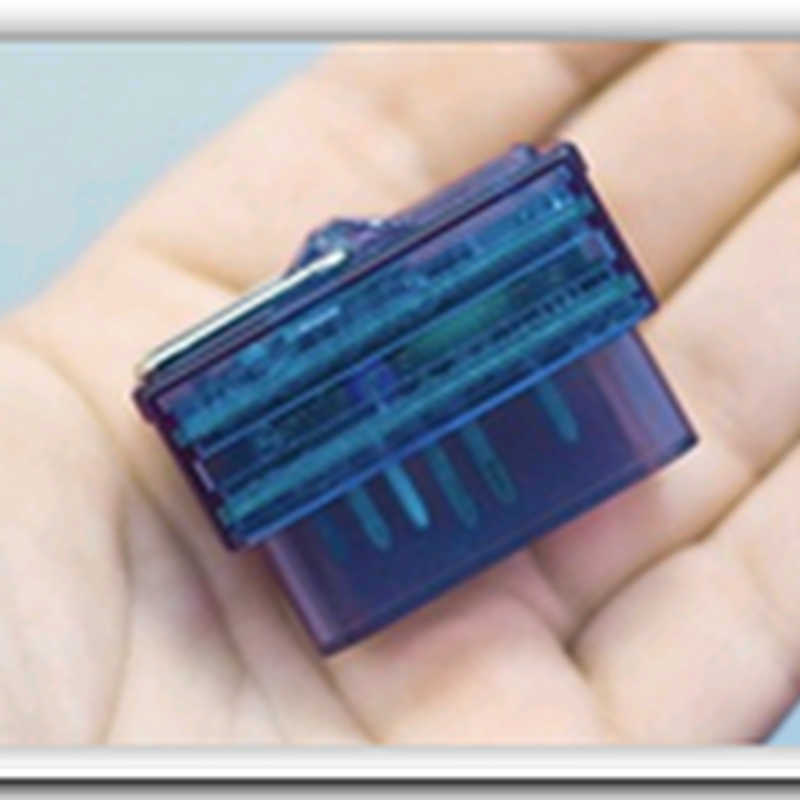
Progressive insurance has been testing out the MyRate driving monitoring system for a few years now (it used to be called TripSense), but it's finally taking the system national, bringing pay-as-you-drive insurance into the mainstream. The little blue box plugs into your car's ODB II diagnostic port (all cars made after 1996 have one), and studiously records your driving habits, wirelessly sending the data back to Progressive HQ (it's not clear exactly how). Every six months, Progressive will crunch the numbers and issue a new rate for you based on how you drive -- savings of up to 40 percent are possible. That's pretty tempting, depending on your current rates and driving habits, but we're not so sure we're willing to share that much data for an unspecified discount -- especially since we're confident the MyRate box will get cracked almost immediately.

Progressive MyRate drive-monitoring device goes national - Engadget

Technorati Tags:

10,000$ worth of free care

Nice story from the ER doctor and nice to know charity and human soles are still alive and well out there.  We hear so much negativity today and nice to hear from dedicated and generous health care workers, as the patient had no insurance but needed care.  BD 

“Well, probably mostly free.  The guy may be able to pay some of his bill (but I doubt very much).  Last night I had a young man, recently graduated from college with no insurance and only a part time poorly-paying job who came in after a stupid motorcycle accident. He was fooling around with no helmet in a parking lot at 15 mph and crashed image into a metal wire fence.  He broke his forearm and severely lacerated his face (just under his one nostril), and two fingers on his dominant hand (almost cutting his extensor tendons) , bruising his knee and shin,and  got road rash on his other hand and leg.  All told, I put in about 50 sutures, including deep ones.  Splinted both fingers, reduced his broken radius as best I could and then splinted it, and  cleansed off all his abrasions.   It took me about 2 1/2 hours of work.  A plastic surgeon or orthopod or other surgical specialist would have easily charged 10K for all of that work (who knows, maybe more!). I did it for free (well, as I said before, he may try to pay some of our bill but I don’t think we’ll get much).  He was a good, nice kid (just did something stupid - and was not drinking) who was very thankful so I did not really mind.  While I did this, the ER massively backed up even though there was another doc and a PA working.  I would have LOVED to call someone in to help but I knew they would refuse since he had no insurance.  The best I was able to do was to get the on call orthopod to see him in his office next week - where he will hopefully arrange for him to have his radius surgically fixed through the clinic system.  I would love to tell them about cases like this that I don’t ask them to come in for when they balk about coming in for minor cases with insurance!”

http://erstories.net/?p=429

White Blood Cells Could Tell Your Fortune

Add on a little genomic advise here as well perhaps, but for right now I’m happy wit the Tarot cards.  BD 

BIN those tarot cards and cancel the visit to the palm reader. It might one imageday be possible to predict how long you'll live from a sample of your white  blood cells. It is well known that the children of long-lived parents tend to be long-lived too, but no one knows why. As white blood cells fend off infection, in effect they are delaying death. So Sonya Vasto and her colleagues at the University of Palermo in Italy wondered whether these cells might hold any clues to longevity.

White Blood Cells Could Tell Your Fortune

Hearty USB Glucometer Promises Wonders

One more device to make it easy for diabetics to check their sugar levels.  This is is very interesting in the fact that it can reside on a keychain.  This can certainly make it a little more convenient to carry, just don’t lose your keys!  With the USB device results are uploaded to a computer and sent to a physician or other software that collects data for reporting.  BD 

The Heart USB-powered Glucometer allows regular monitoring of sugar level without any visits to a doc. A portable little device, the USB-powered Glucometer delivers a bit image more than all the similar electronic devices out in the market. It works quite similar to already available products in that a lancing device takes blood sample, which is placed on to a test strip and inserted into the Glucometer. Then the device gives immediate results on its display. So far this is nothing new. However, where this device promises to score above all others is by incorporating USB connectivity. This essentially means that as soon as the testing is done, one may hook it up to a computer and share the results online (or by printing) with health care pros. And all these features are modeled into a handy heart shaped design that looks excellent. I’m not too sure if this is actually available in the market, looks like a concept, albeit a very promising one indeed.

http://www.gizmowatch.com/entry/hearty-usb-glucometer-promises-wonders/#comments

Technorati Tags: ,,

US checks if tomatoes caused Salmonella outbreak

The attack of the killer tomatoes continues…again with all the recent publicity a back take to the movie made several years ago, and yes I own a copy, but back to the crux of the matter here the FDA continues the investigation as the facts just keep changing as more data to be evaluated is coming in and now investigators are looking at the packing houses for more clues to the mystery.  BD 

As salmonella cases continue to climb, the government is checking if tainted tomatoes really are to blame for the record outbreak - or if the problem is with another ingredient, or a warehouse that is contaminating newly harvested tomatoes. The widening outbreak - with 810 people confirmed ill - means whatever is making people sick could very well still be on the market, federal health officials warned on Friday.

US checks if tomatoes caused Salmonella outbreak

Technorati Tags: ,

FDA Ponders Requiring Heart Studies for Diabetes Drugs

This sounds like a project for the new software being built for the FDA to run some studies against the Medicare data base.  This would serve to relate information on the existing drugs used and queries set up to select the desired resultsimageGranted such studies would not be 100% fool proof, but it would certainly be the case to lend some additional information.  With new drugs on the market and relatively no information, this may not offer a lot of information, unless the drugs can be compared to those already on the market with some of the same active ingredients and compounding agents to perhaps serve as a projection.  There is always the other side of the coin too, if one were not taking the medications, where would their blood sugar levels be and so on.  BD  

The FDA is summoning a panel of experts to consider whether drug makers should be forced to study the cardiovascular effects of diabetes drugs. It’s a complicated question that raises some thorny (and interesting) issues.

Diabetes dramatically raises the risk of serious cardiovascular problems such as heart attacks and strokes. So it stands to reason that a drug that controls the blood-sugar swings that are the defining feature of diabetes should also lower cardiovascular risk. “What specific cardiovascular assessments should be required as part of the approval process for drugs and biologics developed for the treatment of type 2 diabetes, and why?”

http://blogs.wsj.com/health/2008/06/27/fda-ponders-requiring-heart-studies-for-diabetes-drugs/?mod=googlenews_wsj

Technorati Tags: ,,

OC Attorney and Accountant Indicted in Nation's Largest Medical Insurance Fraud Case - California

Some of the allegations include hiding their illegal scheme from insurance companies, and of being one of the bank signatories for multiple bank accounts used in the fraud. The accountant is accused of failing to report more than $6 million over a 3-year period by failing to file tax returns and filing false tax returns.  This started back in 2003, but with all data and reporting connected these days, the old scheme of keeping 2 separate sets of books is no longer an option as queries and other data techniques can usually find discrepancies very easily.  Insurance is high enough without incidents like this contributing.  BD 

SANTA ANA - The California Department of Insurance and the Orange County District Attorney's Office (OCDA) announced today the unsealing of criminal grand jury indictments in the largest medical fraud prosecution in the nation, charging the final two defendants for their role in the Unity Outpatient Surgery Center (Unity) scheme, in which $154 million was fraudulently billed to medical insurance companies. The Orange County Grand Jury dedicated 28 days to examining 1,054 exhibits and hearing testimony from 56 witnesses, resulting in the 70-page indictment of two previously uncharged defendants, an attorney and an accountant. The Grand Jury also indicted 11 previously charged defendants, who were also consolidated into the indictment, including three doctors. The Franchise Tax Board under the Supervision of the State Controller provided substantial assistance in this investigation.

"The attorney and the accountant are the arteries that pumped the blood into the different appendages of the criminal body called Unity. We believe it is appropriate to end the charging phase of the case with these two defendants," said Orange County District Attorney Tony Rackauckas.  "The $154 million fraud committed by operating on thousands of so-called patients is the equivalent to taking $50 from the pockets of every resident in Orange County." 

OC Attorney and Accountant Indicted in Nation's Largest Medical Insurance Fraud Case - OC BLOG, Part of the Red County Network

American Medical Association Outraged At Senators Who Put Health Insurers Before Medicare Patients – HR 6331

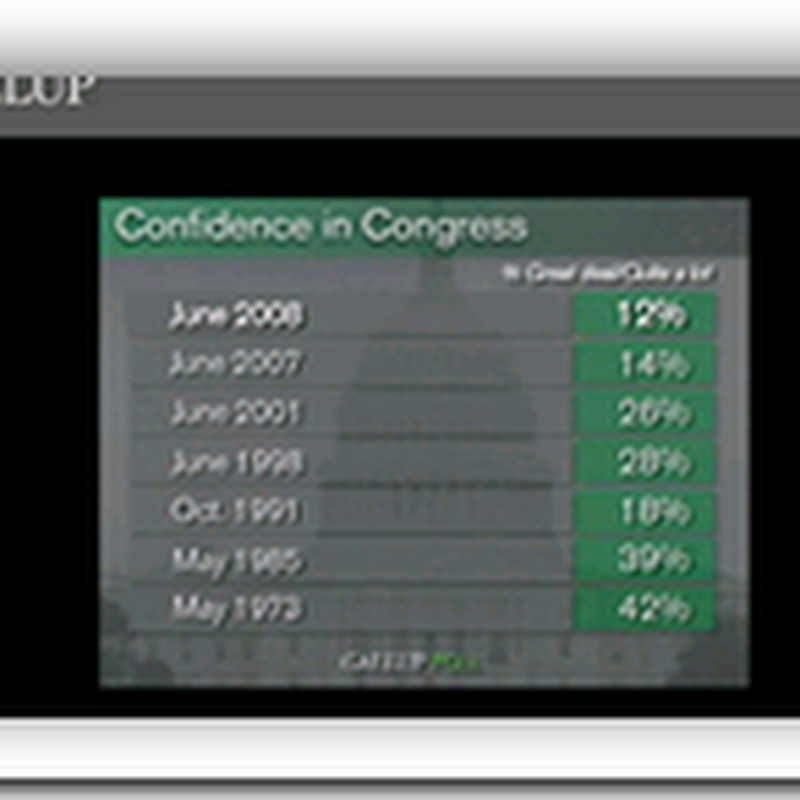
What does the new president of the AMA have to say about the failure to stop the pay cut for doctors, read below.  Recently I had published the results of the Gallup poll image whereby the confidence in Congress has fallen below the confidence patients have in in HMO, and perhaps this is a contributing factor to the mere 12% vote of confidence.  BD 

"The physicians of America are outraged that a group of Republican senators followed the direction of the Bush Administration and voted to protect health insurance companies at the expense of America's seniors, disabled and military families.
"These senators leave for their 4th of July picnics knowing that the most vulnerable Americans are at risk because of the Senate's inability to act to stop drastic payment cuts for health care services that are needed by our Medicare and TRICARE patients.
"The House voted to preserve access to care for Medicare patients in a bipartisan landslide vote to pass H.R. 6331 by an overwhelming margin of 355 to 59. The House made seniors, the disabled and military families a top priority. The AMA appreciates the courage of the 59 Senators, including nine Republicans, who voted to put patients ahead of partisan politics and vote for H.R. 6331.
"Today, thanks to some senators, we stand at the brink of a Medicare meltdown. On July 1 - just four days from now - the government will slash Medicare physician payments by 10.6 percent, forcing many physicians to make the difficult choice to limit the number of Medicare patients in their practices. "The Senate must return from their recess and make seniors' health care their top priority. For doctors, this is not a partisan issue - it's a patient access issue."


Statement attributable to:
Nancy H. Nielsen, M.D.
President, American Medical Association

American Medical Association Outraged At Senators Who Put Health Insurers Before Medicare Patients

DEA Publishes Controlled Rx Rule

 There are 60 pages of the report to read and they are accepting comments.  Amazing it has taken this long for this to work it’s way to the forefront. This has been a rub even for those physicians who have embraced e-Prescribing.  If you are not set up yet, there’s a image permanent link on this page to enroll with NEPSI for free e-Prescribing for any physician to begin.  If you are already using and EHR, that capability is more than likely already built in to the system.  BD 

The Drug Enforcement Administration in the Department of Justice on June 27 published a proposed rule to permit electronic prescribing of controlled substances. These are drugs that have the potential for abuse or dependence, including opiates, stimulants, depressants, hallucinogens and anabolic steroids. The DEA believes these drugs account for 10% to 11% of all prescriptions; industry estimates range up to 20%.

DEA published the 60-page proposed rule in the Federal Register and will accept comments through Sept. 25. Full text is available at gpoaccess.gov/fr/index.html.

DEA Publishes Controlled Rx Rule

New Medicare bill fails in Senate

I have already posted about the failure to pass, but wanted add the comments from another site here, from the physician’s prospectus…the site has the entire break down on which voted against the bill, so there’s a list of Senators who might be able to use a little contact.  The question is what are they doing with the extra 13%?  As I had quipped in my prior post, they are opening offices in China.  We just went through an audit here in California by the California Medical Association that brings a lot of questions to the surface.  In another related story in the state of Washington, here’s another look at profits…there’s a lot of money sitting around on “reserve” it appears…BD  image

“the big three carriers in Washington, Regence BlueShield, Premera Blue Cross and Group Health Cooperative saw profits increase from $11 million in 2002 to $243 million in 2003 and $431 million in 2006. Their cash surplus went from $833 million in 2002 to $2.2 billion (with a "B") in 2006. Interestingly enough they did it while covering less people.”

Republicans just can't seem to swallow a cut to the Medicare Advantage program to "finance" the reversal of the physician fee cut.  I'd like to see what happens if we introduce legislation to cut the pay yearly to each member of Congress unless some way to finance a reversal of the cut is found.  Something tells me it wouldn't be much of an issue.

The Medicare Advantage program doesn't appear to offer a good value proposition.  We have some of these patients in our office, and my office manager was surprised to hear that the insurance company gets reimbursed 113% of usual Medicare rates.

  1. Medicare Advantage recipients don't get any additional services that I as a doctor can see.
  2. What are the insurance companies doing with the extra 13%? 
  3. Why can't I get 13% extra?

This program amounts to corporate welfare.  We've been trying to make it right again, but many Senate republicans (and the president) seem to think it's ok to fork over $50 billion to the insurance companies for...no benefit.

New Medicare bill fails in Senate | InteractMD.com

Pharma’s Reputation Sinks a Little More

Last week we read about how the US population felt about Congress and HMOs via a poll and this week it’s Big Pharma’s turn.  Of interest in the poll though is the positive ratings on technology.  Perhaps underlying all of this, is technology at the root, in other words is the lack of confidence being driven by corporate US and Congress in their use and non-effective and potentially detrimental uses of technology.  It is a fact that technology touches everything we do today and some have some very good effects, while there are the downsides as well, such as privacy issues and how both can reside together.  At any rate, this week it is big pharma’s turn in the barrel with the lacking vote of confidence.  BD 

The latest Harris Interactive poll that examines American attitudes toward corporate America offers a sobering view of and for the pharmaceutical industry. Only 26 percent of Americans view the industry favorably which, of course, means that 74 percent have a negative impression. That places pharma slightly below big oil, and just above Wall Street and big tobacco.

http://www.pharmalot.com/2008/06/pharmas-reputation-sinks-a-little-more/

Employers urged to reserve drug in case of super-flu / Stockpiles of Tamiflu would supplement government's stash

Employers are already faced with insurance burdens and now there is a recommendation for stock piling Tamiflu.  300 businesses have already purchased varying amounts of the vaccine.  I am guessing this is directed towards big business as small and medium size businesses are already on the brink with benefit related expenses, so now add on something new.  BD  

Fears of bird flu are receding and sales of the anti-flu drug imageTamiflu have slumped. Now its maker is offering a deal to U.S. employers: Pay an annual fee and reserve enough to protect every worker if a new super-flu strikes. The plan announced Thursday comes as the federal government also begins an effort to encourage businesses to stockpile anti-flu drugs in case of a pandemic. Those private stockpiles would supplement a national stockpile that contains enough doses to treat only a fraction of the population.

Employers urged to reserve drug in case of super-flu / Stockpiles of Tamiflu would supplement government's stash

Technorati Tags: ,,

Kaiser launches kiosk project in Southern California

In addition to checking in for appointments, patients will also be able to swipe their cards and make payments.  Just recently in the news Kaiser connected with the Microsoft HealthVault for medical records so between checking in with the kiosk, and being able to have medical records soon ported in the HealthVault, all information is becoming readily available for the patient. 

It also helps with the collection end of the business as in some areas, kiosks have been set to also ask for payment, this article does not state that yet as one of the features, but it is possible that it may be able to run a check for outstanding balances, since the patient will be able to use the kiosk to make payments.  If the pilot program is a success here in southern California, plans are to expand to the rest of the countryimageAfter signing in, a printout can be made to direct the patient to an appointment room as well.  It appears Kaiser with automation and data consolidation, removed the “clipboard” from the way they practice for good.  BD 

PASADENA, CA - With its first kiosk deployed Wednesday, Kaiser Permanente kicked off its pilot kiosk project, which will deploy 90 self-service kiosks in 60 medical clinics in Southern California by the end of 2008. The kiosks are a component of Kaiser Permanente's HealthConnect, an electronic health record project that aims at connecting 8.6 million people.

"Individuals will be able to swipe their standard-issue member card in the kiosk to check in for their appointments, thereby avoiding long lines, especially during peak hours of operation," said Benjamin Chu, president of Kaiser Permanente Southern California."This will also allow staff more time to serve patients who have questions or complex service issues. We are creating a front office of the future - today. It is part of our continuing efforts to make our services more convenient and easy for our loyal members."

Kaiser launches kiosk project in Southern California

FDA Boosts Bonuses Despite Ongoing Criticism From Hill

 This almost sounds like what is called “Pay for Performance”, something most physicians are very familiar with.  After having spent many years in sales myself, pay for performance is good for rallying performance and giving incentives to those who excel, but in health care, it often leaves many questions unanswered.  Doing your part should come with the territory I would think, but again I could be wrong.  Over the last few years there have been many articles written on the fact that HMOs offered incentives for keeping cost down, and there is some merit to this, but along the way, there should be some balance, or else how far can you go.  BD

The Food and Drug Administration increased bonuses to its employees by 29 percent in the past year, despite earlier objections from lawmakers. The FDA paid $35 million in staff incentives for the year ending April 12, up from $27.1 million a year earlier, according to records posted on the House Energy and Commerce Committee's Web site.

FDA Boosts Bonuses Despite Ongoing Criticism From Hill - washingtonpost.com

Medtronic Announces First Clinical Data on Occipital Nerve Stimulation for Chronic Migraine to Be Presented at American Headache Society Meeting

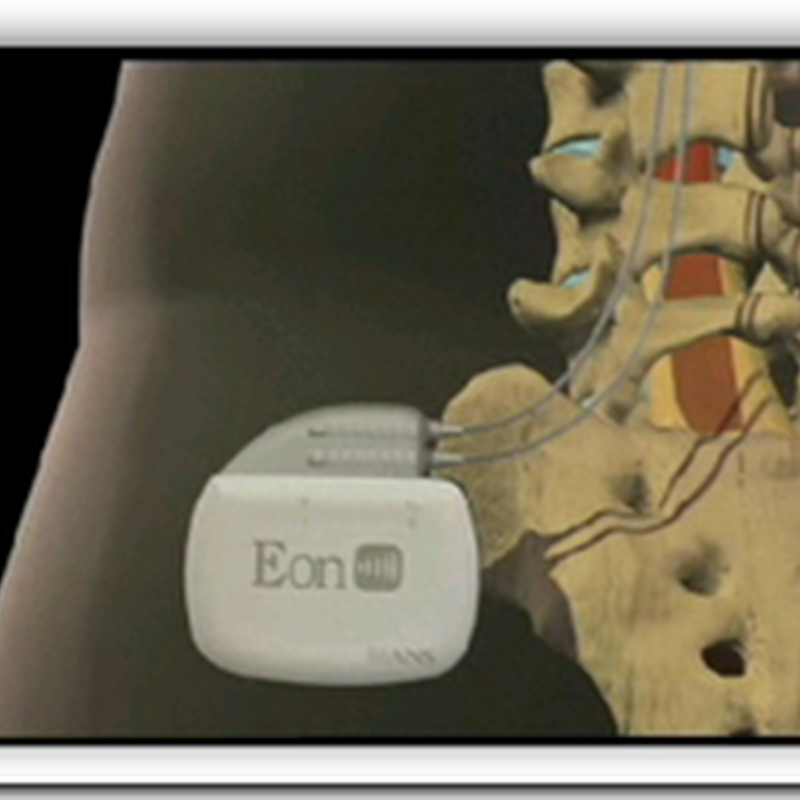
More news about headache relief.  Yesterday there was a study from Canada about a portable machine that zaps headaches too.  It appears to be a growing demand toward electro therapy in many area of health care today versus taking a pill.  Some are implanted while some are used externally.  As the medical device business continues to grow I’m sure there will be even more research in these areas, along with devices that are implanted as well.  Those still bother me a bit when it comes to the brain, although implanted heart defibrillators are becoming more common these days, so the day of other implanted devices may not be too far down the road and accepted as a routine type of procedure. 

As always though, there is still the battle for reimbursement, what is not tested and approved or perhaps deemed experimental by the insurers.  Nice to have the devices and to create a better quality of life, if they are made available when needed.  BD 

----Medtronic, Inc. (NYSE: MDT: 51.35, +0.27, +0.52%) today announced that data from a multi-center, prospective, randomized, single-blinded, controlled investigational study using its neurostimulation system to stimulate the occipital nerves as a potential approach to treating medically refractory chronic migraines will be presented during a late-breaking session at the annual scientific meeting of the American Headache Society (AHS: 17.25, +0.19, +1.11%) tomorrow in Boston. This study, called Occipital Nerve Stimulation for the Treatment of Intractable Migraine (ONSTIM), included patients who have regularly experienced 15 or more headache days per month that were not responsive to conventional medical therapies.

Medtronic Announces First Clinical Data on Occipital Nerve Stimulation for Chronic Migraine to Be Presented at American Headache Society Meeting - FOXBusiness.com

Technorati Tags: ,

Doctors Face Payment Cuts for Patients on Medicare – Bill fails to pass the Senate

They are in recess until after the 4th of July so perhaps some action could be taken after the holiday that could be retro-active.  The ones that will benefit will be the insurers, who are busy opening up offices in China. BD 

WASHINGTON — Doctors face a 10 percent cut in Medicare payments next week, following the Senate’s failure on Thursday to take up legislation that would have averted the cuts.

Republican senators blocked efforts by Democrats to call up the bill, which was approved Tuesday in the House by an overwhelming bipartisan vote of 355 to 59.  In the Senate, supporters fell two votes short of the 60 needed to close debate. The vote was 58 to 40.  Senator Richard J. Durbin of Illinois, the Democratic whip, said: “Who supports this bill? Doctors, consumer groups, pharmacists, hospitals. Who opposes this bill? The health insurance industry and the White House.”

President Bush had threatened to veto the bill, in part because it would reduce federal payments to private Medicare Advantage plans, offered by insurers like Humana, UnitedHealth and Blue Cross and Blue Shield companies.

http://www.nytimes.com/2008/06/27/washington/27medicare.html?ref=us

Possibility of National Electronic Medical Records System Growing

A couple months ago I made mention of this to a few and nobody took it seriously, and yet here today, somebody’s talking about it!  After the announcement of the program in the works for the NHS, I bounced this off a couple physicians, and they did agree, it sure would be simple to have one common user interface that would be the same at any hospital instead of the varied and many systems in place today, so this group might be on to something here.  Perhaps the EMR/EHR vendors someday will have a meeting of the minds to bring some similarity in screens to the forum.  I was mainly speaking regarding hospital interfaces, but the ones used in an office could benefit as well. 

Ok and here’s a link to a project from Microsoft while I’m on the subject…Silverlight…web based and supports many platforms, even Linux (Moonlight project) is in the works.  The key with any software pertaining to medical records is to get as much patient information in an organized fashion on the screen, with as few “clicks” as possible and integrate with dictation.   Anyway, there is some research already started in this direction.  Related story on Vanderbilt University’s use with Silverlight here…BD  image

Universal health coverage could make a national electronic medical record (EMR) infrastructure critical to managing such a massive, complex health-care system. A national move to EMRs would create new business opportunities for the IT industry. These gatherings allowed Accenture to test the waters of citizen receptivity to a national EMR system. Meeting attendees have been surprisingly open to the EMR idea, said Ken Dineen, global managing director of Accenture's health industry practice. The company's polling data showed 79 percent support for EMR among Miami citizens, 59 percent in Detroit and 74 percent in San Francisco. Privacy and security concerns about such a system fuel the usual objections. EMR advocates insist the common practice of transferring handwritten medical records between medical establishments is arcane. Dr. Paul Volberding, chief of medical service for the San Francisco Veterans Affairs Medical Center, expressed that view on the event's panel.

Possibility of National Electronic Medical Records System Growing - Government Technology

Sphere Related Resources – Find more information from Reuters, The Wall Street Journal, US News and others from the Medical Quack…

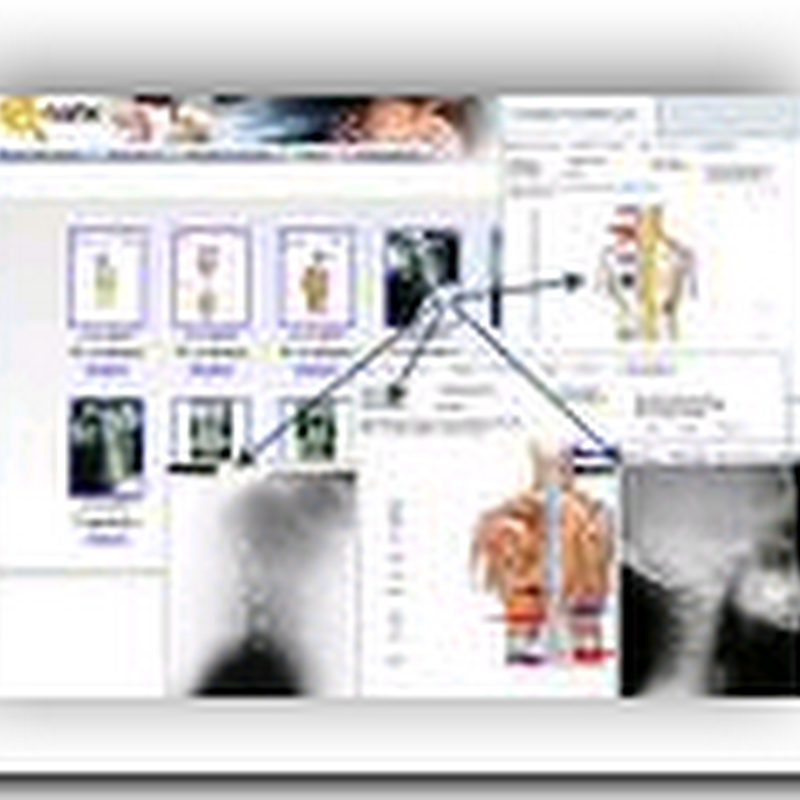
This is resource update day on the blog.  Sphere related sources can take you to related blogs and newspaper articles from each post on the blog, so why did I add it, to hopefully save some time if you want to research other sources without having to flip windows with the browser to find others.  All you need to do is click on the Sphere link and an pop up window will open up to show not only other bloggers, but also US news, the Wall Street Journal and many more. Below is a sample of what comes up.  In addition you can find even more resources under a separate window where it says “more”.  That portion will give you up to a few thousand other resources.  Anyway, hope it will prove to be useful.  The Wall Street Journal uses it on their site as well and readers end up here with the same methodology.  Thanks again to everyone for their continued readership!  BD 

image

image

Personalized Medical Search Engine From Science Roll

Berci over at Science Roll has created a nice search engine and was kind enough to make it available to other sites, so I have added it to the blog here.  Very simple, like any other search, type and go.  image BD 

You can choose which databases to search in and which to exclude from your list. It works with well-known medical databases and there is an open discussion about which new sources to use. Essentially it’s up to the users.  Below is a list of the search engines you can choose from as well.  Search Medgadget, Clinical Trials, Cancer.gov and many more. 

image

http://scienceroll.com/2008/06/25/personalized-medical-search-engine-with-medgadget/

Personal Health Records – Links to the Websites

googlehealth

Since there has been so much posted on personal health records I thought it was about time that I added some links to the sites to make it easy to locate.  Just click on the pictures below to access the sites and they will also be located in the resources column on the right hand side of this page.  From the websites you can begin to set up your individual PHR (personal health record) with either or both.  Stay tuned for updates as they are announced.  BD 

healthvault

Mission Community Hospital – No Keyboard Required here

A story on a hospital in the Los Angeles area where no keyboard is required to log on and access patient and hospital information. The campus is equipped to deploy telemedicine capabilities such as lab results, medication profiles, ICU monitoring, etc. and is set up on a wireless network for ease of mobility.  PDAs are used for alerts as well as touch screens and some tablet PCs.  As the title states, no keyboard is required here.  BD 

Mission Community Hospital (MCH) is a non-profit 150-bed acute care (and Psych) full service community hospital in the heart of the San Fernando Valley (home to about 1.7 million residents), Los Angeles, with a 24/7 ED, comprehensive imaging, lab and other services.

The Hospital is totally filmless and the same technology platform is the foundation for all other imaging modalities (such as EKG's) and scanned documents. Physicians can use regular cell phones to be notified of alerts and can walk up to large TouchScreen monitors in the Hospital (or remotely) to access their patients' results and images without having to work on a keyboard.image

Mission Community Hospital | Slide Show Titles/Pages | Media/Multimedia | Healthcare Informatics

Technorati Tags: ,

Microsoft Picks VeriSign for HealthVault

The HealthVault gets a little more secure with the single sign on from Verisign. You may have already heard of Verisign if you use eBay, PayPal and a number of other companies on the Internet. image BD

image Microsoft (Redmond, Wash.) has selected VeriSign Inc. (Mountain View, Calif.) as an OpenID provider for users of HealthVault, a free service that enables consumers to store and manage their health information online. According to

Microsoft Picks VeriSign for HealthVault | News | Healthcare Informatics

St. Jude Medical Announces First Patient Implants In Clinical Study Evaluating Deep Brain Stimulation For Depression

  Back in April I wrote about this and now there are 2 individuals in clinical studies with the implanted devices.  St. Jude is the owner of the intellectual property for the device and study.  There’s also information if you want to enroll and one needs a current diagnosis of major depression along with having tried several medication therapies and/or combinations of electroconvulsive therapy/drugs and you must have been depressed for over a year. An implanted medical device comes to live with you, as medication is just a visitor, so something to really give a lot of though too before jumping on the bandwagon as well.  BD

ST. PAUL, Minn. - June 26, 2008 - St. Jude Medical, Inc. (NYSE:STJ) today announced the first patient implants in a clinical study that is investigating whether deep brain stimulation (DBS) therapy will help people who suffer from major depressive disorder, a severe form of depression. The patients, a 59-year-old woman and a 42-year-old man, were implanted at Alexian Brothers Behavioral Health Hospital in Chicago, with the St. Jude Medical Libra® Deep Brain Stimulation System, an investigational device.

St. Jude Medical Announces First Patient Implants In Clinical Study Evaluating Deep Brain Stimulation For Depression

Technorati Tags: ,,

University of Washington is one of 8 hospitals worldwide to begin using surgical checklists

This is great news with the use of the checklist, but the only thing I though was somewhat odd was it being on paper and why not on a whiteboard to where it could be visible by the entire staff?  A check list though is better than no check list by all means.  If used on a whiteboard let’s say with a Tablet PC and medical records, the information would immediately be send to a chart as well.  Tablet PCs are already engaged in many surgery rooms for other purposes already.  Earlier this year at the HIMMS convention I spoke with a couple of hospitals that have tablets mounted in place in the operating rooms. BD 

The University of Washington Medical Center is one of eight hospitals around the world test-driving a surgical checklist the World Health image Organization unveiled today. The UW's participation was spearheaded by Dr. E. Patchen "Patch" Dellinger, vice chairman of its surgery department. The list includes simple safety checks before and after surgery that the WHO says could cut the rate of surgical complications in half, such as verifying the surgical site, the patient's known allergies and making sure nothing was left inside the patient's body.

Local News | UW is one of 8 hospitals worldwide to begin using surgical checklists | Seattle Times Newspaper

Technorati Tags: ,

Hi-Tech Hospitals…Telemedicine…

This hospital in Pennsylvania is converting all operating rooms to handle telemedicine.  One benefit stated is the opportunity to conduct surgery via telemedicine on prisoners as it is very difficult to transport them to a hospital and then there’s the obvious security risks as well.  One physician remarks that at some point in time a physician might even be able to operate from the comfort of home with the rapid current advancements being made with telemedicine and the use of robotics.   BD  image

Some area hospitals are taking advantage of new technology to expand their knowledge and improve patient care. Lancaster General Hospital is converting all of its 42 operating rooms at the downtown Lancaster facility to include an array of digital equipment that will make it easier for doctors and nurses to do their jobs during surgeries, said Stacey Youcis, vice president of operations for the hospital.  The cost is not cheap, Youcis said. "It ranges from about $90,000 to $200,000 per room, depending on how extensive the room is."

The rooms include cameras placed in the center of the main surgical light, as well as other areas of the room. A 42-inch plasma screen mounted on the wall provides everyone in the room with the surgeon's view, including nurses, anesthetists and other medical personnel, Youcis said.

Business News for the Central Pennsylvania region including the Harrisburg, York and Lancaster areas - CentralPennBusiness.com

Electronic device zaps migraine pain

With the electronic medical era of devices, here’s the next one on the list.  A home migraine zapper, still in clinical trials.  Will headache sufferers someday all be walking around with their do it your self zapper?  The study is being conducted in Canada.  BD 

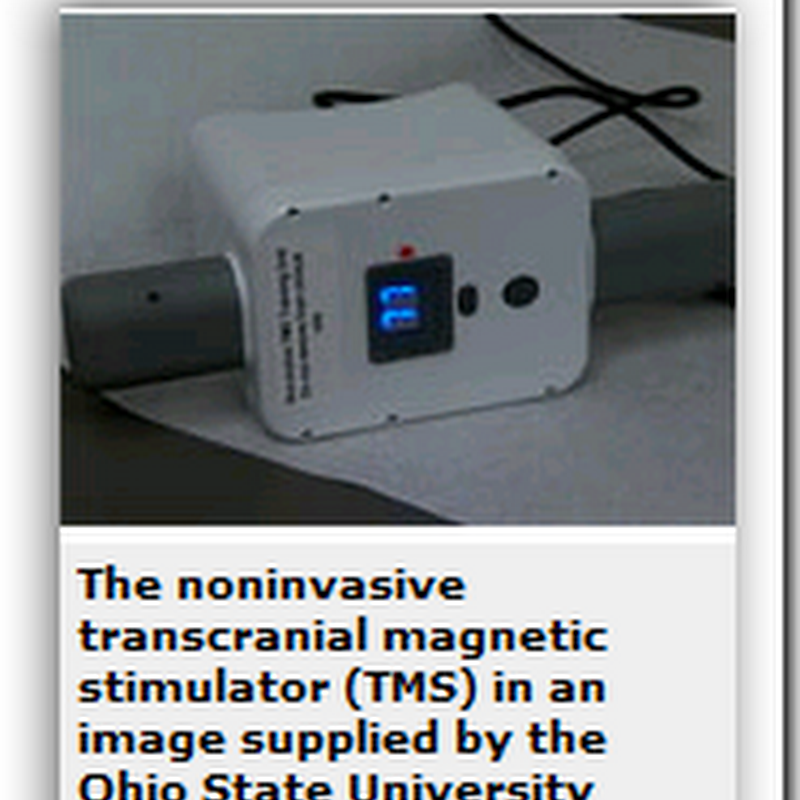
image A hand-held electronic device that emits electromagnetic waves relieves migraine pain before it even begins, a new study says. The study, conducted at The Ohio State University Medical Center, found that the device can eliminate pain when used as a migraine is beginning to develop. Out of 164 patients who received treatment, 39 per cent reported being pain free two hours later, compared to 22 per cent of subjects who received placebo treatment.

The findings are being presented Friday at the annual American Headache Society meeting in Boston. In the study, no adverse side effects were reported by patients who were treated with the TMS device.

Previous research was conducted on a similar machine that was large and bulky. This new, smaller device will be usable by patients at home or on the go.

CTV.ca | Electronic device zaps migraine pain, study says

CVS to Offer Records Via HealthVault

One more item to add to the HealthVault. Both drugs and clinical visits to their retail clinics can now be imported. A ;while back I did a short interview with a Minute Clinic located in Huntington Beach. Not all stores have them, but the number is growing. Once the account is open and established, this will make it easy for consumers to begin building their online health record to share as they desire. BD

image CVS Caremark will make prescription histories from its retail and mail image order pharmacies, and medical records from its in-store MinuteClinics, available to consumers via a HealthVault account from Microsoft Corp. The alliance means consumers with a HealthVault account will be able to download into their personal health record prescription histories from CVS and records of visits to a MinuteClinic, which uses an electronic health records system.

CVS to Offer Records Via HealthVault

Even the insured losing access to health care

We read the stories every day, is insurance going to be there for us when we need it?  That is the big question and some days it’s like a roll of the dice at the craps table, we don’t know until the dice are rolled.  BD 

About 20 percent of the U.S. population delayed or were unable to get access to medical care when they needed it in 2007, up from 14 percent four years earlier, a study released on Thursday found. About 9.5 million more people went without medical care in 2007, compared with 2003, the nationally representative survey released by the Center for Studying Health System Change, a nonpartisan policy group, found.

Even the insured losing access to health care - Health care- msnbc.com

Genomic Medicine and Warfarin Dosing: Webcast

This is the second Webcast from Helix Health and will address Warfarin treatments and dosage as relates to genomics.  Thanks to ScienceRoll for the update.  BD 

Now they will focus on warfarin dosing. According to the American Food imageand Drug Administration, health care providers can use genetic tests to improve their initial estimate of what is a reasonable dose for patients.

  1. Why genetic testing is a necessary feature  in anticoagulant therapy.
  2. What potential risks exist in “Trial and Error” Dosing
  3. Will insurance cover this genetic testing?
  4. What are potential tort issues in predictive genetic testing and medical uses of genetic tests associated with anticoagulant therapy?
  5. Why aren’t physicians utilizing FDA approved testing and dosage guidance?

Genomic Medicine and Warfarin Dosing: Webcast « ScienceRoll

Technorati Tags: ,

The high cost of low status

This is probably more exaggerated today with the status of the economy, but stop and take a look at what us women have in our closets!  Yes it always feels good to make a purchase and this has gone on for years.  Hmmm…does this suggest women are insecure in nature by the size of the number of items in their closets?  I hope not.  As a footnote, the more expensive is not always the best buy today in all purchases either, which goes to show branding is still very much alive!  BD  image

In a study that may explain why so many Americans who are deeply in debt still spend beyond their means, authors Derek D. Rucker and Adam D. Galinsky (both Kellogg School of Management at Northwestern University) found that research subjects who were asked to recall times when someone else had power over them were willing to pay higher prices for status-symbol items.

After recalling situations where they were powerless, participants were willing to pay more for items that signal status, like silk ties and fur coats, but not products like minivans and dryers. They also agreed to pay more for a framed picture of their university if it was portrayed as rare and exclusive.

The high cost of low status

BT and the X PRIZE Foundation Team Up to Inspire World Changing Innovations – Personalized Medicine Sequencing

The $10 million Archon X PRIZE for Genomics is focused on bringing the world of  imagepersonalized medicine into the era of more preventive treatments imageand practices in health care.  There are 3 categories on the X PRIZE, and one is DNA Sequencing.  BT Global Services has now  added some additional funds to the projects.  There are a total of six contenders for the X Prize in the Biotech competition. 

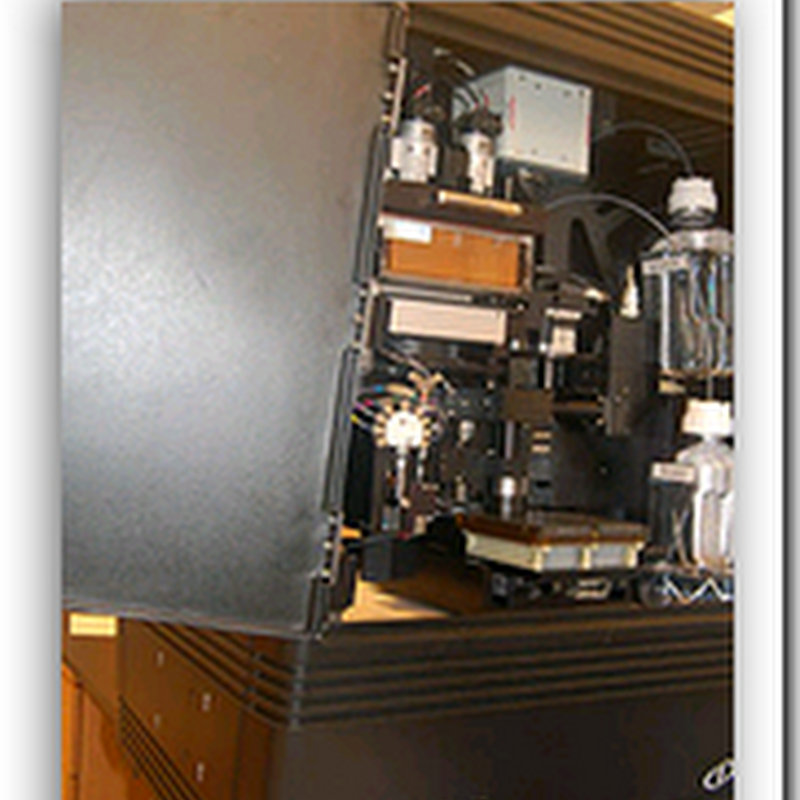
imageOf recent I have posted a few articles regarding the DanaherMotion Polonator and  this is part of the Personal Genome X-team competing for the 10 million dollar prize.   More about the team can be found here.  Information on the first 10 participants is listed here, along with George M. Church, the leader of the project. 

A related article on the Polonator can be viewed here at Technology Review.  We feel that the Archon X PRIZE for Genomics will help raise consciousness, encourage cost reductions and standardize comparisons.”image

“While the scientists don't yet have the final figures on the Polonator's accuracy and throughput, they expect that it will sequence 10 billion base pairs in a single 80-hour run, a capacity equal to or greater than that of currently available technologies.” 

Inexpensive genomic sequencing through the project may be coming to hospitals and medical clinics very soon and it is all open source software.  BD 

SANTA MONICA, Calif., June 26, 2008 - The X PRIZE Foundation, an educational non-profit that designs and administers competitions with prizes of $10 million or more, and global communications services provider BT, have joined forces to combat some of the world’s biggest challenges, such as disease, poverty and energy efficiency. BT Global Services, which employs more than 32,000 people worldwide, is providing $7 million in operating funds to the Foundation over the course of a three-year partnership. .

BT has a world-class team of researchers, scientists and developers, including 3,500 people at Adastral Park in England, a research team based in Malaysia and a new R&D center in China.

http://www.xprize.org/foundation/press-release/bt-and-the-x-prize-foundation-team-up-to-inspire-world-changing-innovations

Technorati Tags: ,,,