
92648

FDA Alert Product Recall Intravenous Products From Claris Lifesciences Also Marketed Under the Names of of Sagent, Pfizer and West-Ward - Contamination

 imageTwo of the drugs are in the antibiotic area and one other is used to treat nausea relating to chemotherapy treatment and post surgery.  Luckily enough most of these products are in hospital pharmacies but they could also be used in outpatient surgical centers and offices as well.  Recalls are a bear and we definitely need a better way to handle this.  Claris is located in India and manufactures a number of drugs used to treat critical patients and health issues so this appears to be pretty important as the last thing a patient needs is contamination in the drug that is supposed to be helping.  I will continue on here with my latest pitch to have such products marked with “tags” so they are not missed and used by mistake with being able to scan with a cell phone for recall notices.  

Microsoft Tags – Microsoft MSDN Posts Ideas from the Medical Quack About Use in Healthcare!

I have been pitching this for use for products in the USA, but with the number of imports, there’s certainly no reason why this can’t be carried through to other countries too perhaps with the US FDA being the center focal point.  BD 

“Claris Lifesciences is one of the largest sterile injectables pharmaceutical companies in India with a market presence in 76 countries worldwide. We primarily manufacture and market products across multiple markets, and therapeutic segments. A significant majority of these products are generic drugs that are capable of being directly injected into the human body and are predominantly used in the treatment of critical illnesses.”image

Healthcare professionals should NOT use and should immediately remove from their pharmacy inventories any metronidazole, ondansetron, and ciprofloxacin intravenous bags sold under the following labels:

  • Claris
  • Sagent Pharmaceuticals
  • Pfizer
  • West–Ward Pharmaceuticals

Claris is initiating a recall of all lots of these two products, as well as all lots of ciprofloxacin. These products were all manufactured on the same manufacturing line. FDA is investigating the situation and will notify the public when new information becomes available.

Claris is initiating a recall of all lots of these two products, as well as all lots of ciprofloxacin. These products were all manufactured on the same manufacturing line. FDA is investigating the situation and will notify the public when new information becomes available.

Metronidazole and ciprofloxacin are antibiotics used to treat a variety of infections. Ondansetron is an antiemetic used to treat nausea and vomiting associated with chemotherapy or surgery.

FDA Public Health Alert: Healthcare Professionals Warned Not To Use Certain Intravenous Metronidazole, Ondansetron, and Ciprofloxacin Due To Contamination

We Don’t Need Any More Medical Records Systems – Code For Cures And Move Over to Life Sciences To Hack Genes

This point was made by Juan Enriquez, managing director at Boston-based Excel Venture Management, and a director at biotech Synthetic Genomics Inc. and I agree with him.  I look at the “glut” of software in healthcare not only from the medical records side of the business, but also the analysis side with business intelligence imagetoo.  I am not saying any of this needs to go away by any means as we need it all today, but let’s work on and define what’s already there and make it better, which is what development of software is all about anyway.  Certainly there will be some new developments with unique types of software aggregators and other innovations too that will arise and that will continue, but for the basics needs and systems we have, let’s not flood the market even more. 

The point he makes about “coding is coding” is right on the mark.  I used to code and wrote a medical records system and thus my background on coding and after a couple years of selling and continued development I made the choice to get out of it as it is more than one programmer can handle today as everything began to move to the web and away from the desktop and that statement there will give you a bit of a time element as to when I stopped.  The skills I learned though are used today and you see this “slant” at the Medical Quack if you are a regular reader here.  I also have over 20 years in sales and marketing, thus as Bill Gates referred to earlier this year about “hybrids” I am a “hybrid sort” that works to combine and discuss the best of both worlds, sales and the coding side of the business. 

A couple years ago when genomic reporting was relatively new, it made sense to me as it is more code, different languages, but same thing, code.  Back in Augusts of 2008 I was invited to interview and discuss genomics with Dr. Patrice Milos from Helicos and this was my first time actually discussing in depth what sequencing was all about and I was also flattered with her comments too in saying “it’s all about the software” and she was actually looking forward to talking about it from the”coding” side versus one more clinical interview.  Of course, both come into play for sure but we were discussing the roots of how it begins, in other words how the coding mechanics make genomic studies possible.image

Helicos BioSciences and Personalized Medicine - Featured Interview with Dr. Patrice Milos

“One area we both strongly agreed upon is the use of software, from a data person like myself and with Dr. Milos with her area of research, we both absolutely concur that software is what makes all of this possible.”

A couple years ago I was able to play around a bit on a Surface table at Microsoft in “folding proteins” and granted I didn’t know all the infinite details here, but understood what was behind the colorful strands appearing on the screen and how the code works here. 

If you look around here a bit, I also talked with Rosetta Genomics on a pretty complicated subject of microRNA for testing for certain types of cancer and again it’s all about the coding and software used to bring the information and intelligence to life.  It’s more coding and with my software background I try to bridge the complicated side of what’s happening and use the sales portion to hopefully present information in “layman's” terms so everyone can get something out of each post.  I have posted Juan’s TED speech from 2009 on prior posts from 2009 and here it is below, there’s a lot of wisdom there. 

One other institute that is interesting to read up on is the Microsoft Trento Research Center.  This is the convergence of biology and computer science coming together to with a new computer language.  Algorithmic systems biology used to benefit both worlds with a new breed of scientists.  We are talking about Life Sciences and more code.  image

Microsoft Research Trento Centre: Biology and Computer Science Coming Together

In summary, I think he’s correct here in the fact that coders are needed in Life Sciences today and with the tremendous amount of knowledge we have today from data that is already there, it is a good thought indeed for coders to forget about creating some new “accounting” software as an example and move on over to Life Sciences.  He’s got this on right on the money and is a very forward looking, smart venture capitalist.  The other day I also ran across an article that stated good venture capitalists out there should also know how to code, or at least have some experience in this area and as you can see from this bulk of this post, it’s not just about selling software, it’s solutions and the “code mechanics” behind all of this that makes it happen and what is driving cures and treatments for disease.  BD 

Developers of mobile applications often focus on trends like checking in, geo-tagging or social gaming, hoping their software coding skills will help them ride the next big wave.

But these coders should be thinking instead about improving the climate on Mars, designing human organs that fend off disease or cloning cattle that produce powerful vaccines in lieu of dairy products.

Many seemed surprised that Enriquez – a top figure in the areas of alternative energy and genome mapping, and a founder of the Life Sciences Project at Harvard Business School – drew a direct parallel between software coding and the hard science of genetic coding.

But coding is coding, Enriquez said.

And he urged the young developers to see the similarities – more than the differences – between software coding and “life coding.”

As coders, you can hack a cell. You program a cell to go after big problems. So maybe your next big challenge will be in life sciences.”

“The only difference is that the kinds of things they’re playing with are little circuit boards made of life parts,” Enriquez said. “You go to your equivalent of Radio Shack, and you buy your little cell system. As you code and decode, you can build things. You can design your own heart. You can build a sheep, or a cow.”

Synthetic Genomics, where Enriquez serves as a director, recently made international headlines with its first synthetic cell, which Enriquez compared to the invention of the first transistor in its capacity to change the world.

Software Coders, Forget Apps - Clone Cattle Instead - Venture Capital Dispatch - WSJ

Dental Implants Using Body’s Own Stem Cells To Grow Them – Regenerative Dentistry In the Works

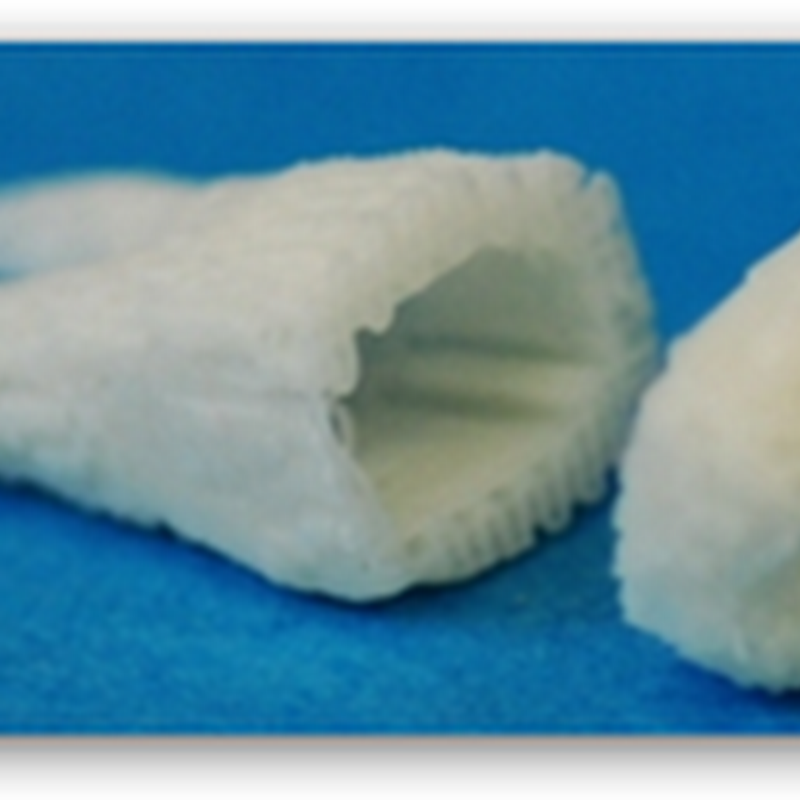
Ok put me at the head of the line for this.  I have gone through and have dental implants so I know the drill here and what makes this even more fascinating is the fact that the tooth can be grown inside the empty tooth socket, this is amazing.  I have done several interviews with Cook Medical, one of the companies who is in the regenerative medicine business and we talked about how the scaffolds are built.  image

Regenerative Medicine and How it Works – Interview with Cook Biotech (Medical)

There’s a clinical trial in Australia that started with women being able to regrow their own breast too with stem cells.  It’s amazing how fast and powerful this technology is today. 

Regenerative Medicine: Clinical Trial To Begin with Women in Australia Using Stem Cells To ReGrow Breasts – Has Been Successful with Pigs

I am guessing though you need good tooth stem cells?  Maybe that’s a dumb question but I am curious as to how this would work with individuals like myself that were dealt a bad deck of “tooth genes”.  BD 

Conventional dental implants are typically screwed into the patient’s jaw bone, require visits to several types of clinicians, take two to six months to heal, and are still subject to failure. Not exactly an ideal solution to missing teeth. A professor of dental medicine at Columbia University Medical Center, however, has devised a technique wherein implants could be grown in the empty tooth socket, right inside the patient’s mouth.

Dr. Jeremy Mao started with a tooth-shaped scaffold made of microchannelled natural materials, infused with a growth factor. In an animal-model study, he placed that structure in a recipient’s empty tooth socket, then caused their stem cells to home (migrate) onto the scaffold. It resulted not only in the growth of a new tooth-like structure, but also in the regeneration of periodontal ligaments and the formation of new alveolar bone.

Dental implants could be grown inside patients' mouths

Related Reading:

Regenerative Medicine – Material and Cell Based Regeneration of the Human Body
Biomagic "pixie dust" regrows man's lopped-off finger

Dr. Oz Visits a regenerative medicine lab in Wake Forest

The Heart Can Repair Itself – Stem Cells Help Speed up the Healing

Teva To Stop Manufacturing Propofol – With No US Manufacturers Left FDA Approved Import From Europe

If this drug name sounds familiar, think back a short while to Michael Jackson, this was the drug that he had at home, used only in hospital settings and now with Teva, the generic drug manufacturer having stopped production, all US supplies will have to be imported.  Teva actually stopped production in the US in mid April.image

Police and DEA are Looking at 5 Doctors in Michael Jackson Investigation

In addition to FDA issues Teva said they were not making any money and there were recalls last year and there some law suits hanging around.  There is a company that cannot resume selling it in Chicago but not until the FDA approves the changes at the manufacturing plant.  Here’s the history from last year.

Tainted Lots of Propofol Recalled – Generic version of Diprivan

Anesthetics could become in short supply and that’s what is used in surgery to “put us under” as stated below 75% of surgeries in the US involve propofol.  I hope Europe has a big supply to handle this.  APP Pharmaceuticals is the company to fill in the shortages.  BD

NEW YORK - The drugmaker Teva said Friday it won't make any more of its sedative propofol, which could intensify a shortage of one of the most common anesthetics in the U.S.

The drug is hard to manufacture and the company gets little or no profit from it, said Denise Bradley, a spokeswoman for Teva Pharmaceutical Industries Ltd. The company had to halt production and recall some of the drug last year because of manufacturing issues, and it is facing a raft of propofol-related civil lawsuits.

Sodium pentathol might be used as an alternative for general anesthesia, but right now it's extremely hard to get. He said the problem is that many of these drugs are made by few companies, or only one company, so they are hard to replace when supply problems strike

"Probably at least 75 percent of the anesthetics given in the U.S. involve propofol," he said. "It's huge."

The Food and Drug Administration says there has been a shortage of the drug since last fall because manufacturing problems forced both Teva and Hospira Inc. to suspend manufacturing and recall some of their versions of the sedative. With no U.S. companies making the drug, the agency authorized the importation of a version approved in Europe.

Hospira, based in Lake Forest, Illinois, said it cannot resume selling the drug until the FDA approves changes to its manufacturing procedures.

Britain's AstraZeneca PLC developed the brand name version of the drug, which is called Diprivan, but no longer sells it.

Teva won’t make more of powerful sedative - Health care- msnbc.com

More Children’s Medicine at J and J Recalled – We Need Ability to Scan Products With Our Phones - Be Sure to Vote

As consumers this would be nice to be able to scan products and not have to worry about missing a recall post somewhere on the news.   There will be other drug and device recalls too so the sooner we have this capability the sooner we can get our information, not to mention making compliance easier to monitor for the FDA.

 Johnson and Johnson McNeil Healthcare Group Recalls Children’s Over the Counter Liquid Medicationsimage

We need a technology solution that everyone can get their heads around soon. 

FDA Publishes Information on How to Identify Recalls – Why Not Scan That Stent With A Cell Phone and Make It Easy for the Public and Manufacturers To Keep Up, Notify And Automate Compliance

Would I as a consumer like the availability of being able to use my phone to get this information instantly?  You bet I would and I can guess too that clinicians would also welcome using this technology as they could have instant information instead of a lot of extra time in going to the web and performing time consuming research.  We simply are running short of time to do all of this today and I think we should give this some heavy consideration here with improving how and where we find the information we need.  

By the way if you like this idea put a little check mark on the survey to the right and tell us how you feel or if you understand this concept too!  It’s a winner all the way around and would help the DEA as well as consumers too in identifying “fake drugs” too.  BD 

Microsoft Tags – Microsoft MSDN Posts Ideas from the Medical Quack About Use in Healthcare!image

Four children's cough and cold medicines made at a Johnson & Johnson plant shuttered because of manufacturing problems were recalled Friday, a month after different kids' medicines made at the facility were withdrawn.

Blacksmith Brands, which sells the PediaCare cough and cold medicines made at the plant in Fort Washington, Pa., said on its website that it was issuing the recall for precautionary reasons. It said it hasn't received any complaints or reports of side effects connected to the PediaCare products.

The latest recall affects PediaCare's Multi-Symptom Cold, Long Acting Cough, Decongestant, and Allergy and Cold medicines. Blacksmith Brands said it has told retailers to take the four products from store shelves and advised parents to stop

More Children's Medicine Made at J&J Facility Is Recalled - WSJ.com

City of Hope And Doctors Dispute with Law Suits - Board Representation Issues At Hand And Of Course the Money

As the article mentions here there’s a lot at stake with many other hospitals in California sitting by and taking notes to see what the outcome here will be as they imagealso have similar arrangements with contracted groups.  As mentioned below, there’s the question of how many “doctors” will be on the board and one comment below states that there will be “one token” doctor on the board, which in other hospitals there is a bigger mix of MDs with non medical members.  Here’s the original post from earlier this week.

City of Hope Files Lawsuit Against Their Own Doctors – Wants MDs Join For Profit Medical Group & Terminating Nearly All Physician Research Current Contracts

The next big issue at hand is the new foundation that is being created and their stance on independence as the new foundation is stated to pretty much be run by the hospital instead of the actual contracted physicians being separate.   The California Medical Association has come out in defense of the doctor’s medical group in their defense on this item.  One other interesting issue at hand here is reimbursement as Medi-Cal pays higher rates for procedures done at a clinic that the hospital owns so there’s incentive here to keep procedures under the areas governed by the hospital, so one does pose a question here of whether or not procedures should be performed as out patients or under the facilities owned by the hospital too. 

Foundations have had some money issues just every where else in healthcare as 55% of the US hospitals are currently operating in the red today.  If the doctors do not join the new foundation, patients get all new doctors it would appear.  In researching and reporting with the blog here I am seeing many strange things occurring today and they all come back to budgets and money.  Something that struck a strange cord the other day was to see the insurer, UnitedHealthcare, purchase a Chinese gateway company via one of their wholly owned subsidiaries is to promote and bring more Chinese drugs and medical devices to market, which would also stand to serve to drive down the prices of drugs and devices here in the US and could drive some out of business as well.  This is all happening at the same time we are trying to create more jobs and recover our economy. 

Out of all of this I’ll mention that who stands to lose the most is the patient and the type of care received.  We don’t like to hear it but it is starting to happen all over with business decisions are getting in the way of the best care for us, you can’t help but take notice, it’s in the news every day and I get calls and emails from people telling me the same.  If the new foundation does in fact take over it would open up a real hornet’s nest for other hospitals in the state to jump on the bandwagon and try to facilitate the same with the ability to exercise control over the physicians and research we depend upon to take care of us. 

I think when it comes down to working out expenses and care, there’s a better way to collaborate and work together but in today’s hostile healthcare imageenvironment it is a struggle as reimbursement battles are being created where they really should not exist.  BD 

In the vote announced Monday, the doctors group, called City of Hope Medical Group, slammed the hospital for not renewing a contract with its physicians engaged in research, teaching and some specialist work. In its announcement, it also accused the hospital of illegally soliciting doctors away from the group.
The cancer hospital, located in Duarte, a suburb of Los Angeles, seeks to replace the physicians group when the contract expires Feb. 1, 2011 with a new medical foundation the doctors group says will be largely run by the hospital.

Though announced this week, the vote was taken before the physicians group filed a lawsuit earlier this month against the hospital, accusing the hospital of trying to illegally control doctors through the medical foundation.
The hospital promptly counter-sued the doctors group, arguing that it is trying to recruit the doctors legally. The hospital is requesting judicial intervention to block the doctors group from interfering with its plans, and it blames the group for "besmirching" its reputation since talks between the two organizations broke down.

The foundation, headed by hospital corporate chief medical officer Alexandra Levine, would be run by 22 board members, who do not hold medical degrees, and one doctor "as a peace offering," the doctors group said.  And the California Hospital Association, which backs the hospital, said that under California law foundation boards must contain a majority of non-physician members.

Silva said hospital-created foundations can be a way for hospitals to make money from referrals, which they can keep in-system, and which get reimbursed at higher rates by Medicare than outpatient ones.
For instance, Jensen explained, Medi-Cal, California's Medicaid program, reimburses CT scans at $177.47 for independent clinics. But if the hospital owns the clinic, Medi-Cal will pay the hospital $254.56 for the same procedure.

DOTmed.com - Doctors group slams City of Hope in latest round of fighting

Business Intelligence Software Breakdown At Beckman Coulter – Algorithms gone Rogue and Data House Repair

This is a good article to read on how things in the data houses get mangled without appropriate planning, so sometimes those reporting systems you think are really doing the job, are not.  It was so bad that the board of directors could not validate the company financial reports, a dangerous item if you are traded as a company imageon the open market and provide false information either on purpose or by accident.  The Biotech company has also been under the gun with trying to find a new HMO plan for their employees in Orange County, CA as even biotech companies are hit with high health insurance increases. 

Employers in Orange County Looking for New HMO Contracts as St. Josephs and Some Others Begin Cancelling Agreements with Pacificare (UnitedHeatlhCare) – Employer Capitation Contracts

I included a few of the highlights here and you can read the entire article at the link at bottom of the page.  I mainly wanted to emphasize the danger of algorithmic formulas that are not organized and end up reporting information that is not correct and I am guessing that Beckman is not alone in this mess either.  It kind of makes you wonder how much of the financial data we read today is in fact accurate.  As you read here, an outside agency had to come in and audit and of course after the fact, changes were made in the structure and data flow.  How in fact would an agency like the SEC function if they had to audit something like this I wonder and what conclusions could be determined? 

Beckman Coulter sells DNA sequencing equipment and has various areas dedicated to research and development with stem cells, biomarkers, etc. so we definitely want to be sure their data houses are in divine order.  BD 

In more than 15 years of interviewing senior executives about their business intelligence software implementations, I can’t recall hearing about a more badly mangled environment than the tale I am about to tell. And I can’t recall meeting a more candid IT executive than Dawn Conant, director of business intelligence at Beckman Coulter, life sciences instrument maker.

Conant publicly disclosed the company’s trip into a BI rabbit hole, and subsequent escape, at the April 2010 Business Intelligence Summit organized by research firm Gartner.

Beckman has $3.3 billion in annual revenues and 12,400 employees, but beginning in 2001 it created a business intelligence software monster appropriate for a company 10 times its size. Astoundingly, business units created more than 900 Business Objects universes (essentially data marts).

Worse yet, approximately two thirds of them were running directly against a single global Oracle ERP instance or other online transaction processing system. There was no data warehouse to protect the production environment from the analytical sandbox, so imageperformance was awful.

You can predict that there wasn’t a single version of truth. Instead, there were hundreds of expensive versions of guesses. The frustration and confusion went right to the top – the board of directors had called in its own audit team because it couldn’t validate the company’s financial reports.

The rule of thumb frequently provided by the vendors of prebuilt apps is that you should be able to use at least 80% of what is in the box and only have to customize 20% or less. It will come as no surprise that her first piece of advice is to not bank on that level of usability. Instead, carefully match up the code you get versus the functionality you need. “Significant analysis of the code,” is required before you make a commitment, she noted at the event.

Make sure your business users, and especially your experienced report writers, are part of the code analysis team. The IT department won’t know where all the source data problems are, so you better have people on the assessment team who know the black holes.

The bottom line on pre built analytics: They deliver less than you hope but are usually better than starting from scratch.

Lessons From a Business Intelligence Software Breakdown — Datamation.com

McKesson Is the Next Company To Raise Investor Dividends – Does Portfolio Management Mean Better Care?

The CEO says they are committed “to our portfolio” approach with capital development”.  Does this mean that better healthcare and patients get the back seat?  How does portfolio management affect the patient and the care we receive?   We had UnitedHealthCare raising their dividends this week too.

UnitedHealth To Pay Out Higher and More Frequent Dividends to Share Holders, No Caps on Earnings for Executives or What Is Spent on Lobbying Says the Boardimage

Both companies are focused on shareholders, so in view of the current economic times, with 55% of the US hospitals operating in the red, Congress not being able to fund Medicare compensation permanently for physicians, what does all this press do for the average consumer and those working in healthcare?  Where’s the ethics we are all looking for?  No wonder everyone gets the idea that “it’s all about the money” and if patients and doctors happen to survive, well so be it I guess.

Is this also conveying a message that efforts are being made to drive more investors to the companies too as they are looking for more money in view of the already staggering profits being made?  BD  

The Board of Directors of McKesson Corporation at its meeting today approved a change in its dividend policy by increasing the amount of the Company’s regular quarterly dividend by 50%.

The Board of Directors implemented the increase immediately by declaring a dividend of eighteen cents per share on the Common Stock, payable on July 1, 2010, to shareholders of record on June 10, 2010.
“Based on our confidence in our business and future cash flow generation, the Board of Directors has increased the quarterly dividend from twelve cents to eighteen cents per share,” said John H. Hammergren, chairman and chief executive officer. “We remain committed to our portfolio approach to capital deployment, which we believe will create significant value for our shareholders.”

McKesson Raises Quarterly Dividend by 50% | McKesson Corp.

Why Can’t Safety Rules and Laws Keep Up With Biotech – Congress And Others Can’t Keep Up with Technology

How do you create laws to protect citizens in areas where you are not familiar?  That’s a very good question and today members of Congress are being presented with that exact task.  There’s a ton of research to be done by staff members and what also helps is there own participation as consumers to understand how this affects the rest of us, which is something I think is over looked a bit and instead we keep hearing more of “its for those guys over there”.  image

Luckily there are some new technologies on the horizon here as recently seen in the news with creating an entirely virtual “virus” with software, in other words all the properties and the algorithmic processing for research is one on the computer before a “real” virus is created for testing and this would certainly stand to reduce the exposure of those working in biotech. 

We have quite a few members of Congress announcing retirement and why?  It’s complicated as I think today’s leaders are finding it quite difficult to swim in a new stream where old methodologies don’t work, in other words if you don’t participate at least at consumer levels, where do you get your knowledge?  To do a simple comparison who’s going to be able to teach you how to drive a car and be more effective and personal? Would you rather learn from someone who has read books and has never driven a car or would you feel more trust and knowledge coming from someone who drives a car everyday?  This is the picture of what we have going on with the world of the “non participants”. 

“Is This All There is” One Senator Announced His Retirement at Age 54 – A Culture of Nonparticipation (Opinion)

Not only is this true in Congress but we have lobbyists who are retiring for the same reason, old methodologies don’t work the same anymore.  The danger is though is that the new lobbyists use NEW technologies and efforts and with some algorithmic math, they can make believers out of what can be a “pie in sky” and those not familiar buy in, and don’t know why they have bought in to.  We hear that in the news with healthcare day in and day out with one more OMG story banning the headlines.  

Back on track here, how do our lawmakers create laws here to protect workers that are employed by companies using the absolute latest software technologies, and I think we are back to square one, they can’t as the knowledge of what is required is not there. 

if you look at the picture here with the CEO of Goldman Sachs, what technology was used for him to research for the Senate hearings, and mind you Wall Street uses the absolute top of the hill technology everywhere as it means money.  I think he had to do a step back here to work with paper. 

This scientist was not protected and tried to bring an awareness around, but due to legal issues and so on the case may have been diluted here and maybe a trip to a research lab could have helped out. 

Ex-Pfizer Scientist wins $1.37 Million in Lawsuit Against Pfizer in Biotech Viral Exposure Lawsuit

One thing to keep in mind, these researchers are the people finding the cures for today and tomorrow.  We do need everyone to begin participating and find those who offer real information and value versus the “magpies” that only repeat.   We need some of those people who actually drive cars at the top of the helm with some real role models and very soon as we begin to look “stupid” without them.  BD 

They are the highly trained, generally well-paid employees in the vanguard of American innovation: people who work in biotechnology labs. But theimage cutting edge can be a risky place to work.

Many laboratories in both the public and private sectors adhere to practices in a safety manual published jointly by the Centers for Disease Control and Prevention and the National Institutes of Health. Employees of government biolabs and others that receive federal research grants for genetic engineering are covered in part by stricter guidelines from the National Institutes of Health, and some companies voluntarily follow those guidelines. But other private industry workers are dependent on OSHA.

Mr. Michaels said that rather than trying to establish new rules for each infectious agent or for any specific hazards, he expected OSHA to eventually require employers, in consultation with their employees, to identify all potential hazards in their workplaces and to take steps to reduce them. OSHA would then have the power to cite employers for failure to adequately implement this process.

Safety Rules Can’t Keep Up With Biotech Industry - NYTimes.com

Tri-Care Left Out On Adding Children to Health Insurance – Mistake That Needs To Be Fixed

We have by now probably all heard about the new provision whereby children are allowed to remain on their parents policy for a longer period of time; however at Tri-Care (DOD) these folks were left out and here’s another fix that Congress might want to look at. image

Of all the groups insured, I think Tri-Care would represent a good amount of families who would take a real interest here.  Meanwhile, back at the ranch HHS is urging more to take advantage of the provisions with employers being slow to add.  BD 

Sebelius Urges Employers to Expand Health Plans While Many Companies Are Looking At Paying Fines Instead Of Offering Employee Benefits– Cheaper that Way

Thanks to the new healthcare reform law, Americans will have the choice of keeping their children on their insurance plans until age 26—unless the policyholder happens to be in the military, where adult child coverage stops at 21, or 23 if the child is at college. During the long debate over how to revise the healthcare system, some Republicans claimed that the Democrat-sponsored bill would threaten coverage for TRICARE, the medical insurance program for the armed forces. In response, the House voted 403-0 to leave TRICARE untouched. This meant that military families were left out of the new provision that also gives civilians the choice of putting dependants back on their policies.

AllGov - News - Defense of Military Health Insurance System Backfires, as Families Left Out of New Benefit

The Next Phase of Accelerometers – Sensors In Healthcare that Detect Motion Like What’s in Your Iphone

If you have an IPhone, then you know what I am talking about as it reacts to how it is positioned.  This is a good article about the next wave that is up and coming imageand being promoted by HP, so I guess we can now say that soon we will have a “smart accelerometer” that can give even further detail on your activity.  The video is a bit spooky when you look.  Of course sensors are meant to be helpful, but it all depends on the eyes of the beholder and hopefully not an effort to disrupt as well.

Wellness programs that use biotechnology?  This could be a future wellness coach watching everything you do and how you move, as they have programs set up that if you are not moving often enough, your phone will give you a text message telling your to move more and email you too.

I would love to members of Congress trying to go about the business of creating laws and being interrupted with text messages telling them to move around a bit more, would make a great video for YouTube and we could all see members slowly becoming participants on what is being professed and enacted for all of us. 

The 80s were the years of the PC, the 90s were the years of the internet and guess what, 2000s are going to be the decade of the “sensors”.  The devices in your cell phones are not as sophisticated as to what is shown here, but how long does the development take these days, well not very long so keep an eye out. It is in fact the underestimated area of meaningful use and kind of hard to line up as every day it changes a bit, and this is where my usual comment comes in about needing participants and leadership with some IT knowledge, otherwise we are sunk. 

The Wireless Future of Medicine – The Forgotten Element of Meaningful Use -Eric Topol –TED 2010 (Video)

Medical Device =  Algorithms  =  Medical Data  =  Data Reports  =  PHR  =  EHR  =  _____.  I placed a lot of related links below on past articles in case you want to take a look.  The health insurance business likes the whole idea and I’m sure would have us all stuck with a device whether we like it or not and probably get some really bad implementations as they continue with “behavioral underwriting” algorithmic calculations. 

More about behavioral underwriting and the folks involved with some of this and you can see Red Brick, who is a client of Ingenix, (a wholly owned subsidiary of United Healthcare) going at it with investing .  I get a funny feeling when I listen to the CEO of Red Brick like this is all rehearsed and he looks like either an actor or a kind of a puppet in being coached all the way through. 

Behavioral Underwriting With Biometric Employee Screenings – Red Brick Secures 3 More Clients

They sell the biometric monitoring to employers and monitor you from the wellness coaching area and by the way did you know that United bought yet another wellness company in February of 2010 this year that uses biometrics, check it out?

UnitedHealth Buys Another Wellness Company – Biometric Monitoring For Data With Employer Contracts

Earlier this month I had the chance to visit Hewlett Packard Labs in Palo Alto. I spent my time there talking to a number of senior engineers and scientists about the exciting technology they're working on, much of it related to the Internet of Things (a trend I've paid particularly close attention to over the past 18 months).

I started the morning with a visit to the laboratory of Dr. Peter Hartwell, a senior researcher at HP Labs and one of the brains behind HP's ambitious CeNSE project ("Central Nervous System for the Earth"). As I walked into the lab, Hartwell was busy playing with a new accelerometer that measures very fine vibrations - which I would soon find out has potential applications in industries such as medicine and mass transport.

Why HP Thinks Sensors Will Lead to The Next Big Wave of Computing

Related Reading:

The Heart Monitoring Patch – Wireless Connection to the Server for Reporting and Alerting the Doctor
Zeo's Personal Sleep Coach – A Device you Snuggle up with to help Understand Your Sleep Patterns
The VenaHub Medical Device Hub Wirelessly Reports Health Data Compliance and the Blue Tooth Inhaler
The Smart Inhaler with Blue Tooth and Wireless Capabilities
FDA approves HealthPal – Bluetooth Device that Collects from Other Reporting Devices and Sends Information to PHR – HealthVault or Google Health
Behavioral Underwriting With Biometric Employee Screenings – Red Brick Secures 3 More Clients

Wellpoint Enters Contract Agreement with Red Brick for Behavioral Underwriting

More Inhaled Drugs on the Way – Levadex for Migraines Met Trial Goals
DirectLife From Phillips – One More Electronic Activity Monitoring Device
The Human Audit Trail to automatically track your fitness and sleep and a few other things…
The Wellness Programs: Payouts to Those Who Work Out - Insurers give discounts on premiums
High-tech gadgets hit doctor-patient relationships and more..
The Pill Bottle That Talks To Your Cell Phone, Creates Data Reports and More…
The Future of Drug Delivery Lies with Technology – Panel of Experts From Cambridge Consultants
Bluetooth stethoscope Available from 3M HealthCare – Wireless Heartbeats
Double amputee walks again due to Bluetooth
Implantable Devices Getting Wireless External Power Supplies – Bionic Man/Woman
Novartis Invests 24 Million with Proteus – Chip On A Pill Also Known as IMeds as Discussed at TEDMED
PositiveID Corporation Acquires Easy Check Medical Diagnostics Non-Invasive Glucose Breath Detection
Accent RF Pacemaker Using Wireless Technology From St. Jude – First Implant Successful With A Pacemaker Sending Data to EHRs and PHRs
Wireless Biometric Monitoring Device Gets Sticky – It Wants to Be Attached Near the Heart of the Issue
Fitbit Wireless Device Monitors your Daily Activity and Movements Released

Sebelius Urges Employers to Expand Health Plans While Many Companies Are Looking At Paying Fines Instead Of Offering Employee Benefits– Cheaper that Way

The problem here is the math or the algorithms used in Business Plans don’t match so knowledge of Health IT is once again being tested. I made comments last year that leaders in US Government areas of healthcare were going to need some of that knowledge and it looks like this is beginning to come to fruition.  imageHaving collaboration skills on one’s resume for negotiating with insurance companies is almost pretty useless as they pretty much do what they want anyway and only respond when issues bring them under the radar.  Here’s the recent article about how employers are weighing their odds and calculating what direction they may decide to go. 

Big Companies are Finding Out With Employer-Sponsored Insurance It Just Might Be Cheaper to Pay The Fines

Sure the option may be out there, but are there folks who can afford it or that want to afford it?  We are seeing double digit increases coming along and granted with employer insurance there is less of a bite for the individual, but what if the employer says “I’m out of here” and decides to pay fines.  The urging to hold down premium increases doesn’t look like it’s getting the bull by the horns either. 

Health Insurance Rate Hikes For Most Pretty Much All Look Like Double Digits – Employer Provided Insurance

In Massachusetts the carriers are suing the insurance commissioner and the carriers are trying to negotiate about a 10% cut with hospitals and providers. 

6 Health Insurers Suing Massachusetts Insurance Commissioner Over Capping Premium Rates

If you don’t have a Department of Algorithms to audit and ensure the calculations are correct, there’s not much of a leg to stand on here.  I would say about 70% of what is done in all areas with the “business of healthcare” requires some real strong Health IT knowledge so one can battle back and understand what’s happening on the other side, otherwise, not much gets done and health insurers, as far as compliance goes, and they can sit back and rely on the world of the non participants and the distracted to keep the wolves at bay while it’s business as usual with additional algorithms for profit. 

UnitedHealth To Pay Out Higher and More Frequent Dividends to Share Holders, No Caps on Earnings for Executives or What Is Spent on Lobbying Says the Board

A good example today was United boosting up their dividends to share holders and the board voted not to be concerned with what their top executives make and how much they spend on lobbying, they just want their money at any cost, even though this is the healthcare business with ethics, those seem to have been thrown out the window, so again with a county living on distraction and disruptions constantly, they just keep running those algorithms for profit as figure heads don’t quite get what is going on behind the scenes.  BD 

WASHINGTON — Kathleen Sebelius, the secretary of health and human services, said Thursday that employers should immediately offer or continue health insurance coverage for workers’ children up to the age of 26, at little or no additional cost.

Employers will have to offer such coverage under the new health care law, and Ms. Sebelius said they should act sooner, without waiting for the requirement to take effect.

The chief executives who met with Ms. Sebelius were Angela F. Braly of WellPoint; David M. Cordani of Cigna; Scott P. Serota of the Blue Cross and Blue Shield Association; and Patricia A. Hemingway Hall of the Health Care Service Corporation, which operates Blue Cross and Blue Shield plans in several states.

Employers Urged to Act Now to Expand Health Plans - NYTimes.com

Microsoft Tag Officially Out of Beta – New Features And Tag Format Added - Suggestions for Healthcare/FDA Use

If you have been reading here at the Medical Quack I have several posts on how Tags can work in healthcare and you can follow the link below to read more and here’s a imagecouple paragraphs from the introduction area.  French, Spanish, Turkish, Simplified Chinese and Italian have been added to the languages supported.  There’s also word on a "heat map" feature which SEO folks know all about, but if you don’t know this is a visual that shows where your tags are being viewed, neat stuff and will be anxious for that feature to come out. 

Microsoft Tags – Microsoft MSDN Posts Ideas from the Medical Quack About Use in Healthcare!

“If you are a regular reader here at the Quack, I have had a small campaign going on with posts about how this technology could solve a lot of issues, main one being some ideas with recalls at the FDA.  Microsoft Tags was kind enough today to include my thoughts today so in case you are not on Twitter or one of the other social networks, here’s the article below.  Many thanks again to Microsoft for the consideration here, I was speaking out loud here a bit on what I thought might be a simple for consumer to use technology that could save lives. 

You can also view the entire article here at Microsoft Tags and by all means download and get try it out on your phone, very simple and easy to use.  Try making a tag of your own.  I keep a couple of my Tag samples on the blog for anyone to practice with as well under the resources on the right hand side.

Also, check out Microsoft Gov who also posted about this potential life saving technology too:

Do Microsoft Tags Belong in Healthcare? (Same post but directed toward government use/readers)”

The website has a whole new look too. 

The link below explores the use with Surface and contains a nice comment from a “Mom” who would really like to be able to scan medications at the store or at home for recalls, as she had 7 J and J products to look up as a mother of 2 children that were using the products. 

Microsoft Tags in Healthcare – Comments and Demonstration at “Microsoft Connected Conference” with Surface

image

The purpose of my campaign here at the blog is safely and information as many devices miss getting pulled from the hospital shelves and people die getting implanted with devices that are defective and have been recalled.  In addition with all the recall notices we are receiving today from the FDA, and this will continue to grow, the ability to find and verify a product on a shelf would be huge for the consumer, versus what we have to do now, go the web, do a search, and rummage through the FDA pages and search. 

If you read the post above, some FDA recalls were missed as they ended up in a different area of the recall notices where the public couldn’t find the, Yaz and Premrpo so enough said on that topic.

Sample of how to create a tag and quite a few choices here too. 

image

The new “tag” format is now available and you can make your tag black and white too.

image

I found I already had some statistic on my Tags and how many were checking them out.  Here’s a sample of one of them and you can see I made this tag way back in April of 2009!

image

There are quite a few supported devices too, the page allows you to click on the drop down area to find your phone.

image

As you can see at the site the use is growing outside of healthcare for advertising and promotions so why not add some educational and helpful information that relates to something we all have “health” in one form or another.  BD

Eighteen months ago we launched Microsoft Tag, our mobile barcode technology. Since then more than 1 billion Tags have been printed by people and businesses all over the world. In the month of April alone, more than 20 million magazines with Tags were in the hands of U.S. consumers.

Today we’re announcing that Tag is coming out of beta and that basic use of Tags will be free of charge. This means you will be able to generate and use Tags that link to our standard scenarios, such as linking directly to webpages, and use the reader application at no cost. By simply going to Tag.Microsoft.com, you can create Tags and deliver rich interactive experiences on mobile phones, track your Tags, and read about how companies such as Conde Nast and others are using Tag.

Because of the feedback from businesses using Tag, we also plan to offer the ability to create more powerful solutions through a variety of value-added services, such as advanced reporting and analytics and real-time location services. We will add these and other value-added features over time.

http://blogs.technet.com/b/microsoft_blog/archive/2010/05/27/beyond-beta-microsoft-tag-takes-off.aspx

Health Insurance Rate Hikes For Most Pretty Much All Look Like Double Digits – Employer Provided Insurance

Aetna and Blue Shield are each increasing premiums 18% on average this year, but some  Aetna customers who renew policies this summer will see increases of as much as 23%.  Kaiser Permanente is raising rates 12% on average. Health Net Inc. said its customers would see "low double-digit rate increases."  No word yet from UnitedHealthcare on their increases and we have all heard the ups and downs of Blue Cross in California. 

The same types of increases for small businesses are also being felt outside of California.  Blue Shield clients as noted below are looking as some huge increases as imagehigh as 76% and I wonder how many the carrier will keep at those rates.  BD    

Small businesses in California are being hit this year with double-digit hikes in health insurance costs that could hurt the state's economic recovery as companies curtail plans for hiring and expansion to pay their insurance bills.

Five major insurers in California's small-business market are raising rates 12% to 23% for firms with fewer than 50 employees, according to a survey by The Times.

Overall premiums for small firms in California rose 180% cumulatively over the last decade, according to the California Employer Health Benefits Survey. Larger firms' rates increased 146%.

Similar increases are being felt by many small businesses across the nation, including those in Texas, Ohio and Florida — mainly the result of escalating costs for medical care and pharmaceuticals, insurers say.

In California, some small businesses say they are stunned by their latest insurance bills. Longtime customers of Blue Shield of California, for instance, are facing rate hikes as high as 76% after the insurer lost money on a handful of plans.

Financial pressures are also squeezing Tessier Cabinet Co., a 59-year-old family business in Montclair. Its president is reluctant to hire because of weak demand for his goods amid a 14% rate hike from Kaiser Permanente. "I'm ready to hang it up," Dan Tessier said.

California insurers defend their rate hikes as sound and fair, saying they struggle to balance affordable rates with the need to remain competitive and turn a modest profit.

Blue Shield, for example, said hospital charges rose nearly 20% last year, while physician costs and pharmaceutical fees increased almost as much. Anthem Blue Cross also cited the cost of medical care in explaining its average rate hikes of 13% this year.

http://www.latimes.com/business/la-fi-smallbiz-insurance-20100526,0,4004715.story

Fat Baby in Indonesia Has a 2 Pack A Day Smoking Habit – Company Offers Family A Car If He Quits

This is a strange post and obviously I don’t think we would see any chance of something like this here in the US, otherwise the parents would be in court, jail or something of the sort. 

This is almost too weird to watch this child smoke.  Someone has offered the family a free car if the the baby will stop smoking so perhaps this will improve and the baby will quit.  BD 


EMBED-Ardi Rizal - The real SMOKING BABY !! - Watch more free videos

Rizal is now 2 and, based on this video, smokes like an old pro these days, even blowing smoke rings.

Over at The Frisky they say he throws tantrums if he doesn't get his favorite brand, which is the only toddler-appropriate part of this entire story.

Rizal lives in Indonesia -- is it horrible to say I was crossing my fingers this wasn't here in the US? -- and his father claims he "looks healthy."

Smoking 'Baby' Has a 40-Cigarette a Day Habit - Toddler on The Stir by CafeMom

AstraZeneca And NIH Working Together on Research For Drug Induced Liver Injury – Public-Private Partnership

This is something we all worry about when taking drugs as the liver is the organ that usually stands the chance of being damaged and it is the most common cause of liver failure in the US, so yes we want to know what drugs are potentially toxic, whether in dose or over extended use.  image

If you call alcohol a drug, well we all know that long term use damages the liver and some drugs are capable of doing the same.  The study is to also examine existing research and look at herbs and other potential area of danger.  AstraZeneca is of course donating financial support here and drug companies too would like to know which ones can or are more toxic than others and at what levels. 

No too long ago the FDA released an update with a focus on genetic information on drug-induced liver injury and serious skin reactions.  BD 

Press Release:

BETHESDA, MD—May 26, 2010--A new public-private partnership between AstraZeneca and NIH’s National Institute of Diabetes and Digestive and Kidney Diseases (NIDDK) will focus on supporting the work of the Drug Induced Liver Injury Network (DILIN). DILIN is a group working to bring together essential scientific and financial resources to better understand drug-induce liver injury as well as effective screening, diagnostic and treatment options.
Drug-induced liver injury, whether caused by prescription or non-prescription medication, is the most common cause of acute liver failure in the United States. It is the major reason for non-approval, withdrawal and limiting the prescribing of medications by the Food and Drug Administration.
Under the terms of the partnership, AstraZeneca will join other companies to provide funding for the project. AstraZeneca will also have a seat on a DILI scientific board, a group convened by FNIH that includes representatives of all the partners in this endeavor, to provide expertise and input on scientific and technical matters. No details of the financial support were disclosed.
“AstraZeneca is keen to support this important project to help the industry and the medical community better understand and mitigate the risks of liver damage associated with the use of some medicines,” said Joachim Forsgren, VP and Global Head of Patient Safety at AstraZeneca. “The safety of patients who need drugs to treat many different kinds of conditions and illnesses is paramount in both developing new medicines and safely and effectively using products currently on the market. We want to play our part in furthering this critical work, which will provide valuable insight to all those engaged in the research and development of drugs.”
“We welcome the support of AstraZeneca’s underlying commitment to work with the Foundation for NIH, and NIH, as we pursue advances in research and potential treatment options for drug-induced liver injury. Bringing together a team of experts in a collaborative environment is essential to this project’s overall success,” said Foundation for NIH Chairman, Charles A. Sanders, M.D.
NIDDK launched the Drug-Induced Liver Injury Network in 2004 to address this increasingly frequent health problem, The network gathers clinical information and biological specimens in cases of suspected liver injury due to drug and/or herbal remedy use and promotes research on the underlying causes, means of prevention, and approaches to management and therapy.
Since 2004, the network has characterized more than 700 cases of drug-induced liver injury and collected comprehensive clinical, laboratory and imaging data through its eight partner clinical centers. It has also developed a standardized means of assessing drug-induced liver injury.
The eight clinical centers in the DILIN Network are: University of North Carolina at Chapel Hill, Indiana University, University of Michigan, University of Texas Southwestern, University of Southern California/University of California Los Angeles, Mayo Clinic, Thomas Jefferson University/University of Pennsylvania and California Pacific Medical Center
NOTES TO EDITORS:
Foundation for NIH
Established by the United States Congress to support the mission of the NIH—improving health through scientific discovery in the search for cures—the Foundation for NIH is a leader in identifying and addressing complex scientific and health issues. The foundation is a non-profit, 501(c)(3) corporation, which raises private-sector funds for a broad portfolio of unique programs that complement and enhance NIH priorities and activities. For additional information about the Foundation for NIH, please visit http://www.fnih.org.
NIDDK
The National Institute of Diabetes and Digestive and Kidney Diseases (NIDDK) conducts and supports basic and clinical research and research training on some of the most common, severe and disabling conditions affecting Americans. The Institute's research interests include diabetes and other endocrine and metabolic diseases; digestive diseases, nutrition, and obesity; and kidney, urologic and hematologic diseases. For more information, please visit http://www.niddk.nih.gov.
DILIN
Additional details on DILIN are available at the project website, https://dilin.dcri.duke.edu/.
About AstraZeneca
AstraZeneca is a global, innovation-driven biopharmaceutical business with a primary focus on the discovery, development and commercialization of prescription medicines. As a leader in gastrointestinal, cardiovascular, neuroscience, respiratory and inflammation, oncology and infectious disease medicines, AstraZeneca generated global revenues of US $32.8 billion in 2009. For more information, please visit: http://www.astrazeneca.com.