
92648

Obama Voices Support For Limiting Malpractice Medical Suits And Add Drugs and Devices-Need Better Safety Information and Recall Solutions First

As the article from the Los Angeles Times states, this took all by surprise.  We have it in California and it has been in place for years.  In addition new provisions suggested even going further with malpractice to include errors from drugs and medical devices.  In California the limit is $250,000 for a life time benefit for those winning a lawsuit.  There’s definitely both sides to this story too.  When you bring in drugs and medical devices we have a whole new picture. 

Not too long ago I was speaking with an MD friend in New Zealand and we were talking about malpractice and how it is done there.  He said that is one issue that Americans who travel to New Zealand for procedures would need to adjust to, in other words if something goes wrong with a surgical procedure as an example, it is considered a “mistake” and it is corrected and at that point the patient doesn’t pay again but there is no fee for any additional surgical procedures done.  He said their malpractice is minimal in the country compared to the US.

Now in order for something like this to get closer to a reality in the US, I don’t think you can just do a blanket law by any means.  Drugs and devices are a different situation and gee we don’t even have a program from the FDA to promptly advise consumers when items have been recalled for an example, so what if damages occur as a result of an item that was perhaps recalled and missed from being removed from the hospital imageinventory?  This happens and devices fail and people die, and yet they are discussing limitations in this area without any consumer education and instant information?  You can read more on the recall side of this at my year long project suggesting using bar codes for recalls and patient information.  Right now we are doing pretty much nothing for the consumer and I would think if some corrective actions were take in this area, then we could move on to further discussions with drugs and devices.

Microsoft Tags – Microsoft MSDN Posts Ideas from the Medical Quack About Use in Healthcare!

Scan that stent before use….

FDA Publishes Information on How to Identify Recalls – Why Not Scan That Stent With A Cell Phone and Make It Easy for the Public and Manufacturers To Keep Up, Notify And Automate Compliance

For that matter the White House could make themselves a pilot program themselves for keeping unwanted guests from getting through security to see how this would work.

White House Security Breach – Next Time Send Out Invitations Imprinted with Microsoft Tags and Scan with 2D Bar Codes on Arrival

We see shows on television with people playing with the technology and yet nobody makes a move to use it to provide safety information and enhance consumer knowledge. 

Microsoft Tags on CBS Early Show – Wake Up FDA, Pharma and Medical Device Companies –Scan Those Drugs, Medical Devices and Synchronize with an FDA Tag Data Base – Recalls, Theft Tracking and More….

Granted we need to find solutions for the cost in healthcare but we also have to look at the other side, the documentation and loss of production that can occur and the life and death decisions doctors have to make, and of late there’s been little or no concern for the consumer either.  We have no role models, just many so called experts that have never used any of the consumer products they tout, and thus we have a society of non trust.   Here’s an example of what I call the “non participants” needing reports on many items they could answer for themselves if they engaged in general consumer literacy.

AHRQ Needs Ideas Asking for Input from Experts As to How to Improve and Increase PHR Use by Consumers - Duh! Start By Becoming Role Models No Experts Required

I really do get tired of the items in the press that keep belittling the consumer and when you have those at the top that have no clue and don’t use what they are professing for “those guys over there” well, we have no trust. 

In summary, until we get all players on the same ball field and team, I think that the lifetime malpractice with adding on devices and drugs is going to be a tough road and I also predict we may have more angry consumers until both the government and businesses come out of the closet and start using some consumer health IT products themselves, and until then, we keep getting the duh effect here.

President Obama took both Republicans and normally supportive patients' rights advocates by surprise this week when he voiced support for a national limit on medical malpractice lawsuits.
"I'm willing to look at other ideas to bring down costs" besides repealing his healthcare overhaul, Obama said in his State of the Union address, including "medical malpractice reform to rein in frivolous lawsuits."
The president's words breathed new life into the often discussed but never enacted Republican initiative. Last week, House Republicans held a hearing to decry the cost of medical malpractice lawsuits, which they blame for rising healthcare costs. They introduced a bill to set a $250,000 limit on damages for pain and suffering caused by "any healthcare goods or services or any medical product."

Medical malpractice: Obama surprises both sides in medical malpractice debate - latimes.com

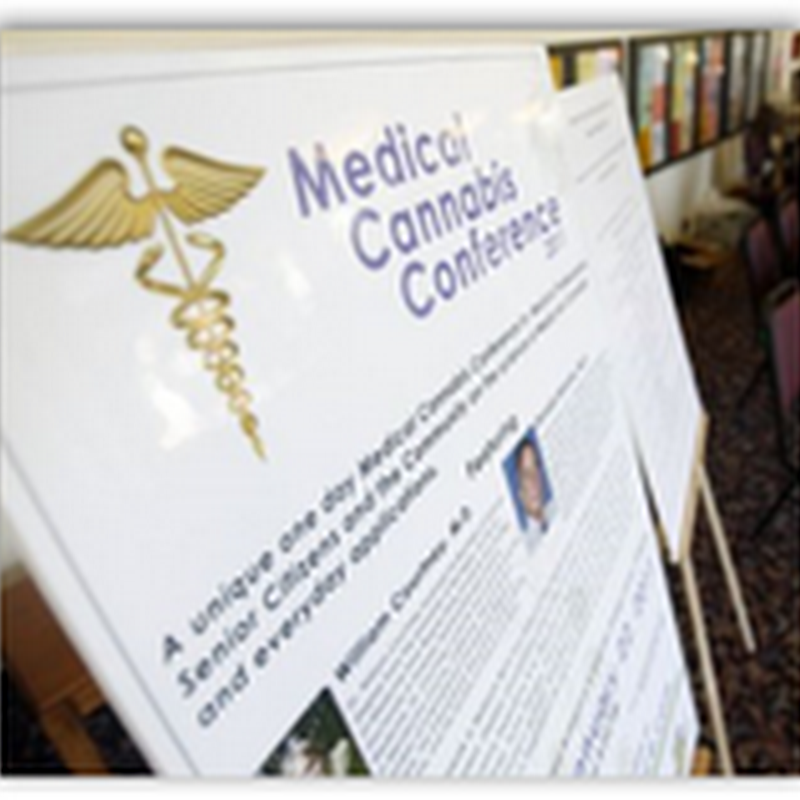
Orange County Conference Markets Medical Marijuana To Seniors at Laguna Woods

Speakers talked about micro molecular components of cannabis during the Medical Cannabis Convention.  One woman showed off her glycerite she uses for her imagemultiple sclerosis pain in which she puts a few drops under her tongue for pain relief.  The seniors were here to learn about medical marijuana and not to get high. 

This was a first of it’s kind meeting with the focus being on seniors and Laguna Woods is just that, a senior community for the most part in southern Orange County and a very nice area at that.  BD 

Laguna Woods – Wearing a powder-blue cardigan and orthopedic shoes, 86-year-old Dorothy Davidson learned how to make a marijuana smoothie as well as the difference between consuming baked weed and the raw plant at a Saturday conference aiming to teach seniors about medical cannabis.

"You hear so many negative things about it," said Davidson. "Now I know how it works."

Laguna Woods allows dispensaries, but does not have one. However, some groups run nonprofit collectives in the retirement community located in town.

Letitia Pepper, a 56-year-old suffering from multiple sclerosis, a disease involving the central nervous system, said she concentrates marijuana extract with vegetable glycerin to make a liquid. When in pain, she squeezes a few drops under her tongue.

"People come up to me and say 'Oh, you look great,' " said Pepper of Riverside, wearing a T-shirt that said "Pills Kill." She said friends are surprised when she credits medical marijuana for the change.

O.C. conference markets medical marijuana to seniors | marijuana, medical, pain - News - The Orange County Register

Johnson and Johnson Generics to License AIDS Drug Before Regulatory Approval to Increase Access To Underserved Countries

This is a good deal for developing nations getting drugs at an affordable price.  This makes Johnson and Johnson the first pharma company to license generic copies imagebefore approval is even given.  J and J licensed the drug for use in 48 countries listed as least developed countries to include India and South Africa.  Latin America, outside of Haiti is excluded from the list so good news for Haiti.  Tibotec is the generic drug company owned by Johnson and Johnson. 

The AIDS drug, named TMC278 is still waiting regulatory approval in the US from the FDA and in Europe.  The plan here is to get the drug to the countries in need as fast as possible.  The generic companies who manufacture the drug will pay Tibotec royalties of 2 to 5 percent.  A Mylan pharma subsidiary in Pennsylvania will be one of the licenses granted as well as Aspen Pharmacare Holdings in South Africa.

This will be interesting to see how this all works out and eventually see how it might maybe roll over into access for drugs in the US with this type of process someday.  BD

From the website:

“Non-nucleoside reverse transcriptase inhibitors (NNRTIs) have become important components of HAART due to their high potency and convenience. Given the relatively small number of approved NNRTIs and their clinical benefits, novel NNRTIs with improved tolerability, convenience and binding to HIV-1 reverse transcriptase are needed.
Multi-disciplinary discovery research has yielded TMC278, a new NNRTI (a diarylpyrimidine (DAPY) derivative), which shows high intrinsic activity against both wild-type HIV-1 in vitro and against HIV strains harboring resistance inducing mutations. It is well tolerated, has a long half-life and allows once-daily dosing.”

Jan. 28 (Bloomberg) -- Johnson & Johnson struck the first deal to license an experimental AIDS drug before regulatory approval, reigniting debate over how much companies should do to speed access to HIV treatments in poor countries.

J&J’s Tibotec Pharmaceuticals unit has agreed to let three generic drugmakers provide copies of TMC278 in sub-Saharan Africa, India and parts of Asia if it’s approved by regulators, the company said yesterday in a statement. If past AIDS drugs are a guide, that could make the pill available for a hundredth of the price that customers pay in the United States, said Mitchell Warren, executive director of the New York-based AIDS Vaccine Advocacy Coalition.

“It is important and significant news,” he said. “This could indeed facilitate these products making it into the developing world at lower prices than could be offered just by the developers of the drugs themselves.”

Warren said Truvada, the AIDS drug made by Foster City, California-based Gilead Sciences Inc., sells for $35 to $40 a pill in the United States while generic versions may cost 40 cents in Africa, offering a guide for the potential savings.

J&J Generics Deal May Speed AIDS Drug Access in Africa, India - Businessweek

Amazing Charts EHR Now Has An IPad/Iphone Mobile Application

Amazing Charts has been around for a number of years and the Owner/President wrote the original version with his goal of keeping it simple and affordable.  A few imageyears ago I briefly met Jonathon at one of the medical conventions I attended and occasionally when I have time, slip over into their user groups and say hello. 

The software is called AC OnCall and you can use with either the iPhone or the Ipad.  One item that has remained the same for years is that you can download a trial version of the entire program for your PC and use it for 3 months prior to purchasing.  I had not looked at their website in a while and I can see now they have added quite a few practice management connections for the EHR system to include EZ Claim for one who is an advertiser on the Medical Quack and back in my days of writing code I also integrated with EZ Claim for billing to avoid duplicate data entry.  Back in 2003-2005 hardly anybody was doing that and now everybody is.  It was also less complicated back then too.

image

To use the program you need to be an Amazing Charts client and have purchased the licenses to use, and again over the years everything has remained very affordable too.  One service Amazing Charts has offered as long as I can remember is the back up service, and think about that one in times of disaster as it’s sure handy and will keep you up and running, and again this has been around since day one back in 2003 I think, but don’t quote me for the exact year.  Amazing Charts has been on of the longest established players in the medical records area and Version 6,  is 2011/2012 compliant and was certified as a Complete EHR by the Certification Commission for Health Information Technology (CCHIT®), an ONC-ATCB, so stimulus money is available with showing meaningful use.  BD 

image

AmazingCharts Inc., today announced a new software App that gives medical practitioners mobile access to their Amazing Charts EHR records from an iPhone, iTouch, and iPad. The new App, AC OnCall, is available at the iPhone App Store for a one-time charge of $24.99.

Amazing Charts introduces new iPhone / iPad app for mobile access to their EHR

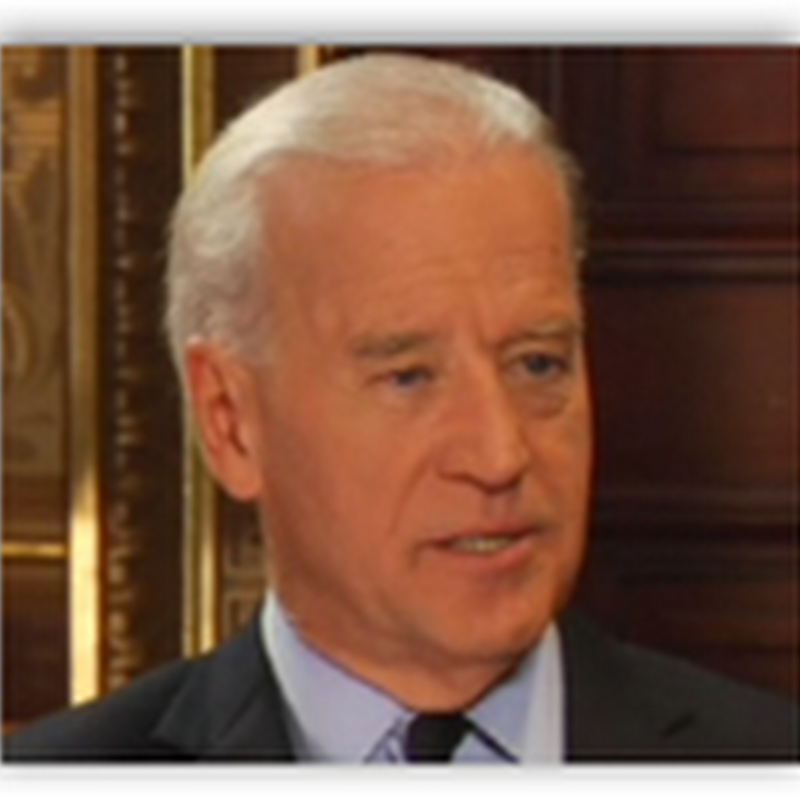
Joe Biden Talks About His Use of the iPad-Who Did Not Snooze During the State of the Union, But Found a Video of Some Who Did

Sometime last year I made mention that we didn’t have any role models around using imagemuch technology and Joe Biden has jumped in there with the Ipad and he uses it to download his speeches and his major use is all the access to the major news outlets.  He has all the major and local papers loaded that he reads.  He states he’s on his Ipad 6 to 7 times a day. 

He’s not a game person with his Ipad, even though he loves to play Solitaire on his computer at home but felt it would be too much of a distraction to have it on the Ipad.  He says he can’t spell and that’s why we have dictating machines and he likes Twitter and he says the fact that you don’t know how to spell makes no difference there and I can attest to that fact too. 

You can watch the whole series of short interviews at the Yahoo website.

Speaking of the State of the Union, he could have used his Ipad there and someone made a video of his distractions, which is cute and in one of the interviews he laughs at himself with what appears on the web.   He could have used his Ipad here to have some technology devices sitting around. <grin>.

State of the Union–Biden

But I do have to say he didn’t fall asleep like some members of Congress as well as imagea Supreme Court Justice.  It makes me wonder when you think this is a news broadcast across the world, can’t folks stay awake for 90 minutes without snoozing? 

Below are the Jimmy Kimmel “Snoozie” awards and Supreme Court Justice Ruth Bader Ginsburg.  BD 

Sleeping during State of the Union

What game does Vice President Joe Biden play on his iPad?

Arteriocyte Gets FDA Approval To Begin Clinical Trials-Stem Cell Treatment For Critical Limb Ischemia, A Severe Form of PAD-Regenerative Medicine

It was just last week I spent some time with Dr. Lawrence from the UCLA Gonda imageVascular Center and the link below will tell you about what they have going on there with treating PAD, lots of new technologies with non-invasive diagnosing too. 

The UCLA Gonda Vascular Center Treats PAD (Peripheral Arterial Disease)-Interview with Dr. Peter Lawrence Chief of Vascular Surgery

The FDA has given the OK to begin clinical trials on using stem cells for bone marrow injections.  PAD (peripheral arterial disease) is kind of a silent disease that we may not be aware of until we get checked out.  PAD is not new but the therapies to diagnose and treat certainly are.  Back in June of 2009 I also spoke with Cook imageMedical about PAD and actually was my first real exposure to a full education on what it is and you can use the link below to read up there as well.  Be sure and catch the part about the man walking around with a golf ball in his shoe for gosh knows how long and being the patient has lost feeling, he no idea it was in his shoe!

Cook Medical Interview Discussing PAD Leg Therapies– Rob Lyles, VP Peripheral Intervention Division

Ohio State University has been chosen as the first location for patient enrollment under the Assistant Professor of Surgery in the Vascular Diseases and Surgical Center.  CLI (Critical Limb Ischemia) is a blockage in the arteries that restricts blood flow to the extremities and around  150,000 people a year lose a limb.  Arteriocyte Medical Systems works with partner and owner Medtronic with blood component therapies. 

In short this is a device that can be used at the patient bedside and offers treatment for those who are not eligible for surgery and we are talking patients with diabetes here as well with wounds that will not heal.  The article states it takes 15 minutes for the process to run.  The website has a patient story here for additional information on how it worked for him as he has diabetes 2.  Going back to my interview at UCLA we also touched on wound care too as it all comes under the same circulation areas.  Below are a couple images of before and after. 

This is great news and looks to be limb saving if not life saving when you see the wounds healing and circulation coming back.  Hopefully more sites will get underway soon with the trials.   BD 

CLEVELAND, Jan. 28, 2011 /PRNewswire-USNewswire/ -- Arteriocyte®, a leading clinical stage biotechnology company with offices in Cleveland, Ohio and Hopkinton, Massachusetts that develops proprietary stem cell and tissue engineering based therapies, imageannounced today approval from the Food and Drug Administration (FDA) to initiate a Phase I clinical trial using its Magellan MAR01™ technology in the treatment of Critical Limb Ischemia (CLI). The FDA Investigational Device Exemption (IDE 14522) allows Arteriocyte and its clinical partners to initiate evaluation of concentrated marrow injections (using the Magellan MAR01™ technology) in improving perfusion in ischemic tissue in affected limbs of patients with CLI who are not eligible for revascularization surgery. image

The Magellan technology combines a rapid bedside tissue concentration device and sterile surgical disposables that produce platelet rich plasma from blood and bone marrow aspirations in approximately 15 minutes and was FDA approved through the 510(k) process for use as deemed appropriate by surgeons. The Magellan MAR01™ technology enables the rapid "closed system" concentration of aspirated bone marrow, yielding an injectable tissue rich in platelets, hematopoietic stem cells and mesenchymal stem cells, commonly viewed as key components in tissue repair. The company is developing MAR01™ for use as a clinical treatment for Critical Limb Ischemia, and plans to initiate additional clinical trials evaluating MAR01™ in cardiovascular disease, and the clinical setting of orthopedics and tissue repair during 2011.

Arteriocyte Receives FDA Approval to Move Forward with Critical Limb Ischemia Trial -- CLEVELAND, Jan. 28, 2011 /PRNewswire-USNewswire/ --

Stent Royalties and Wars Continue with Jury Ruling Against Johnson and Johnson To Reward Researcher for Patent Violations

This is a game or situation that Johnson and Johnson seems to be good at with their multitude of legal cases with stents.  This time they are on the losing end of the stick with a jury ruling they violated a patent.  The same researcher also won a case imageagainst Boston Scientific on his design.  Basically speaking a a consumer, we just want to be able to afford those “patented stents” to save our lives when needed. 

Will the “Stent Wars” Ever End – We Want to Be Able to Afford them Boston Scientific Files Cross Appeal

This case is slated for an appeal by Johnson and Johnson but again where’s their entire focus, is it on lawsuits or good stents?

Where’s Some of the Focus for Johnson and Johnson Revenue Cycles – “Legally Patented Stent Wars”?

Will all these payments and legal cases keep pushing up the price of stents?  I see so much of this in the news and we all know how costly it becomes.  The companies fight among themselves too and back in April of 2010 we had this big 2 million dollar settlement where Johnson and Johnson won against Boston Scientific so this settlement here with the researcher and his claim looks like peanuts by comparison in dollar value.  image

Johnson and Johnson Revenue Increased – Helped Along with “Stent War” Settlements

There’s one more story here about a judge denying J and J a bid to revive a 5.5 billion dollar anti competition breach of contract lawsuit with Boston Scientific.  This is utterly ridiculous and the technology being disputed is highly technical.  What don't’ the 2 merge or do something else that’s more intelligent than this, like reach an agreement without years of court cases.  Is this the way of the future for financing research and development with stents?  '

It’s no wonder we can’t get any good Tylenol back on the shelves with this big dollar war continuing to probably draw a huge amount of corporate focus and the consumer loses again all the way around.  BD 

(Reuters) - A federal jury in Texas has rendered a $482 million verdict against Johnson & Johnson, finding its widely used Cypher stent infringes on the patent of an outside researcher, the company said on Friday.

Dr. Bruce Saffran filed the lawsuit, saying that his stent patent was valid and that the healthcare company infringed on it.

J&J said the company disagrees with the jury's decision, and will fight it.

"We will ask the judge to overturn this verdict and if unsuccessful, we plan to appeal the verdict," a J&J spokesperson said.

Saffran's law firm, Dickstein Shapiro LLP, in a release, said the jury deliberated for two hours before returning its verdict.

The law firm said another federal jury in the same Marshall, Texas, courthouse three years ago rendered a $431.9 million verdict against Boston Scientific Corp, finding that its Taxus stent also infringed Saffran's patent.

Jury awards plaintiff $482 mln in J&J stent battle | Reuters

Study Shows Women Who Experience Hot Flashes May Have as High as a 50% Reduced Chance of Developing Breast Cancer

Well for once I feel lucky if this is true. Those bothersome irritating sessions of hot flushes are contributing to something good!  Nobody likes to talk about this subject but for women it’s just a part of life and perhaps these flashes are burning up any potential cancer cells <grin>. 

Bring on the Hot flashes and I guess next time I should give it warm welcome!  Not too long ago I did an interview with Heidi Houston, the executive producer of a documentary about Hot Flashes and screened the movie myself and I recommend it as you will learn a lot from watching with a lot of history going back to the Women’s Health Initiative and how we have progressed.  As Heidi state the movie is good information for anyone who is a woman or who knows one, and that about encompasses all of us.  The movie has a great sound track too. 

Hot Flash Havoc–Menopause Exposed and Explained Documentary For Anyone Who Is A Woman or Knows a Woman–Interview With Heidi Houston, Executive Producer

Here’s the trailer below so you can see the format and there’s a bit humor in there as well to keep things light and again I recommend it for hospitals and other healthcare organizations to screen as a great source of education.  BD

Hot Flash Havoc

THURSDAY, Jan. 27 (HealthDay News) -- Here's some good news for women ever bothered by hot flashes and other menopausal symptoms: Your risk for breast cancer may be reduced as much as 50 percent, researchers from the Fred Hutchinson Cancer Research Center in Seattle report.

"We know that hormones are important to breast cancer risk, and we also know that menopausal symptoms occur primarily because of changes in hormones that women experience as they go through menopause," said lead author and breast cancer epidemiologist Dr. Christopher I. Li.

The researchers found that women who had the most hot flashes had a very low risk of developing breast cancer, the second leading cause of cancer death among U.S. women.

Study Ties Hot Flashes to Lower Breast Cancer Risk - Yahoo! News

FDA Audits Halted Duke University Clinical Trials Data Related to Genetic Cancer Predictors-A “Padded” Resume of Experience That Did Not Exist

The studies were carried out and then halted upon finding out that one of the biostatisticians lied about his background.  Much of the published information on the trials has now been retracted and now the FDA is looking into the situation to get imageadditional information.  Credentials and backgrounds on qualifications are certainly creeping into the news quite frequently today.  Not too long ago a pilot even had the AMA fooled on his false credentials of being a doctor.  How do these folks do this I wonder with all of us being so connected today?  It seems like such discrepancies should be showing up sooner, that is if anyone decided to check them out. 

Pilot At United Airlines Claimed to be an MD and Duped Many, Including the AMA With Phony MD Credentials

This is kind of important information as the study was to use genomic information to predict outcomes with tumor treatment on how the patients will fare.  I said at one point the FDA will become the most connected government agency and perhaps that evolution is moving a bit too slow?  BD 

The fallout continues from a decision to halt controversial cancer trials at Duke University last year: In an article today, The Cancer Letter is reporting that the U.S. Food and Drug Administration (FDA) is auditing data related to the trials. The Duke genomics center run by a prominent cancer researcher, Joseph Nevins, has been disbanded, although a Duke spokesperson says that decision was already in the works and is unrelated to the FDA audit.

It's a long and winding story that dates back several years to initial queries from two biostatisticians at MD Anderson Cancer Center. They expressed concerns about the science behind genetic cancer predictors developed by two Duke researchers, oncologist Anil Potti and Nevins. After the biostatisticians contacted the Duke scientists and the journals that published their work, Duke launched trials based on the technology, using it to assign patients to different treatments. In the summer of 2010, The Cancer Letter reported that Potti had padded his resumé and claimed he was a Rhodes scholar when he wasn't. He resigned, and the trials were halted. Several papers describing the technology have recently been retracted.

More Trouble for Duke as FDA Audits Center, The Cancer Letter Reports - ScienceInsider

Hospital Lawsuit over EHR Systems and Money-Meditech, Epic and “The Consultants”-“Meaningful Money” & “Health IT Literacy”

We have now moved beyond “meaningful use” and in this case are looking at “meaningful money” of sorts.  This is a type of decision that many healthcare companies look at today,do we keep adding on or do we rip out and start from scratch, and money is the top influencer in this case for sure.  image

The company already had an installation of Epic Medical records and looked at basically starting over with Medtech. Why would anyone want to rip out what is there and start over – money, what else.  Then we have the consultants enter the situation with their suggestions based on cost algorithms and no doubt the Meditech solution came in as being cheaper, money wise that is.  Sometimes things look this way on the big analysis sheets but when you dig in and actually start the project, things can kind of change along the way too, since technology is rapidly moving along today.  The hospital was in dire financial shape, so of course everyone starts looking around for alternatives to the current cost of upgrading and increasing the current capabilities of their Epic system. 

Now it gets real interesting here with the story stating that they could I believe save money on security and then the hospital became infected with a virus.  Not knowing all the details on this it’s hard to say much more on this account.  Sadly the Meditech system and the consultants were tossed out and they went back to charting on paper!  What bill of goods one asks was sold to the board of directors you ask at this point?  It’s one of those where you have to have been there to really know. 

Now the hospital wants the millions back from the consultants and $16 million in the damages caused.  When this all occurred, the hospital had already spent over $26 million on Epic.  So you thing Health IT systems are simple and that any old consultant can advise you, think again.  The Health IT Illiterate in so many areas, to include our Congress, thinks that all of this grows on trees and doesn’t understand what works in the background and the cost.  I sat in on a blogger panel yesterday and made reference to this exact point, and consumers need some general imageawareness here too. 

Do Some Think That Health IT Costs and Systems Grow On Trees-Certainly Starting To Give That Impression of Late

This is also a good case for non collaboration costing a lot of money, time and expense.  I think the consultants should have maybe thought out their recommendations a little more.  It didn’t seem there was much collaboration here sadly for the hospital. 

Innovation Without Collaboration Is Fouling Up The US Healthcare IT System–We Need Both As We Can’t Stand on Innovation Alone

The price of Health IT is high enough today without additional costs such as what occurred here.  It takes a lot of time and money to change out systems today now that we are all integrated via the internet and data is shared in so many places.  BD 

The Methodist Hospitals claims in a federal lawsuit that the company it hired in 2006 to help steer it out of a financial mess instead directed it to a new computer system that wasted $16.6 million.

The computer system opened up almost half of Methodist's computers to a virus attack and messed up patient information to the point that doctors and nurses had to abandon the system altogether, according to the lawsuit filed Wednesday in the U.S. District Court in Hammond.

The lawsuit names as defendants FTI Cambio, a Tennessee company, and HealthNET and Medical Information Technology Inc., both based in Massachusetts.

However, Methodist now says HealthNET and Cambio lied about the costs, saying it would cost another $25 million to finish installing Epic when it would really have cost $11 million.

Instead, the companies told Methodist part-way through the Meditech installation the hospital needed to lower its security and anti-virus protection. Methodist says in the lawsuit this left the company's computers open to attack and 40 percent of them got infected with the Conflicker virus because of it. The system also became too burdened to use without customization, according to the lawsuit.

Hospital wants its $16M back from failed computer system :: Local News :: Post-Tribune

Red Cross States National Blood Supply at Lowest Levels in 10 Years-Using Twitter and Social Networks To Find Donors

The extreme cold weather that has hit the east coast of the US is a big part of the imageproblem.  Blood supplies have been short for a while as back in June, pies were given away in Iowa in order to entice consumers to give. 

Red Cross In Iowa Giving Away Pies to Those Who Donate Blood

You can visit the website of the American Red Cross for additional information on how to give.  BD 

Red Cross Blood Drive

The American Red Cross says its national blood supply is at the lowest level for January in 10 years because winter storms and resulting travel disruptions caused cancellation of 14,000 donations.

"Winter weather is what has really caused this problem," said Debbie Estes, director of communications for the American Red Cross' southeast region.

The organization is using e-mail, Twitter and social media sites to spread the word, and phoning to ask past donors to give now, Estes said. In some areas, it is promoting T-shirt giveaways and drawings for donors; prizes include trips to Graceland or Las Vegas.

Winter weather draining blood supply - USATODAY.com

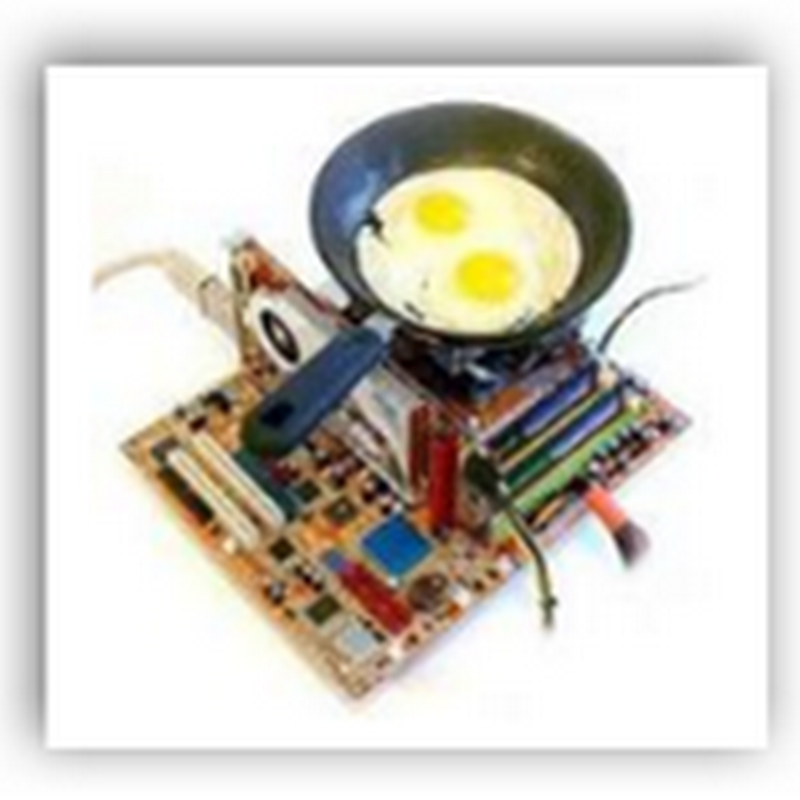
Gamers Are Not the Only Ones to Over Clock Processors-Turns Out It’s Done on Wall Street To Run Those Algorithms at Rocket Speed

Tech Talk:  With all this speed, the line and balance between investors and speculators is becoming increasingly volatile and unpredictable.This article suggests setting up a imagesimulated “Wall Street” trading market to understand more fully how it works and how the posting falls into place.  I can’t believe there are not even audit trails for the SEC to review and nobody knows for sure without an ability to track back. There's been many gamers who have fried their PCs with over clocking their processors in the name of the “need for speed”. 

It's very much algorithmic warfare, with no real thought given to collateral damage.

This kind of concerns me as we have some of the same types of technologies moving into the processing of medical claims.  In this article a version of software is listed called “Dow Jones Lexicon” that mines financial text in the news stories on the web and maps keywords to market conditions…ok mine medical claim information against what is being processed in a medical claim…the technology.

High Frequency Electronic Trading Methodologies And Algorithms Work Their Way Into Healthcare With Human Bodies Losing Liquidity With the “Data Game”

This type of software is evolving and and when you add it to the trade intelligence on the market and in medical claims, the whole picture can change.  If you think you don’t understand EOBs and claim imagedenials today, wait until they kick this in and find every drop of information about you on the web.  This could include public records, Facebook and anything out there.  Obviously a medical claim is not going to really need the speed of a stock transaction, but again it drips down to the data world in other industries and health insurance companies live off the algorithms.

“It is a technological arms race in financial markets and the regulators are a bit caught unaware of how quickly the technology has evolved”

When you have a newborn baby denied coverage due to pre-existing conditions, it’s the algorithm and then finding someone who can do the data entry to fix it is even becoming more challenging.  I don’t know how they set the parameters but there could be only so many additional dollar amounts allowed a day or a week or whatever time frame is designated.  To play an algorithmic game as such, it may be denied one day and then when the new cycle begins it goes through  This is just me speaking out loud and speculating.

 Sometimes, too much technology without the ability to manage it effectively can yield some unintended consequences.

Again I’m reading this information on the web like everyone else but if you kind of know how memory disambiguation on the processor works and about the cores and amount of data that can run through multi cores, it’s mind boggling.  Back when we had the flash crash, it just seemed to me that there was something stopping the data from posting and algorithms to run as sent through. 

Was a Server Fail Over Taking Place on Wall Street During a “Perfect Storm” of Heavy Transactions?

Occasionally servers corrupt an go down and last week it happened at a hospital and it took 4 hours to reset and get the systems back up. From what I read here there was something that didn’t post properly and the data base became a “read only” to where information could be viewed but no edits allowed.  I have had this happen on a small scale basis with data and until you pull a back up the data stays that way. 

Software Audit System Shuts Down Swedish Medical Center Medical Records for 4 Hours

Servers have fail overs that do this quickly and they mirror many copies in real time while running so to switch, is quick as long as the data on the other back up didn’t catch the glitch and corrupt too.  That happens too sometimes.  So back to the point here we have an SEC that better get some serious ALGO MEN on hand and get in to the 20th century here if their regulation methodologies are going to be effective.  Never mind the circuit breaker on the stock price look at the speed or someone will be spilling liquid nitrogen on these things to cool them down and good luck with recouping any data if it comes to that <grin>.  BD

The code too is designed for maximum speed, being constantly tweaked to squeeze the last ounce of performance from the underlying computer chips. Appro recently launched a server based on overclocked Intel "Westmere" CPUs, to give high frequency traders that extra speed boost. But all that digitally enhanced speed means it's that much harder for humans to control.

It should come as no surprise that occasionally such a system would run the financial markets into a ditch. That happened last May, with the so-called flash crash, when the Dow Jones Industrial Average plummeted 900 points in a matter of minutes -- before regaining most of its value. The cause was traced to a relatively obscure mutual fund company that decided to make a very large trade in a very short amount of time (about 20 minutes). The algorithms monitoring the market interpreted this as a panic and came to the same decision all at once: sell. The reason the mutual fund company decided to dump the shares in the first place was to hedge against the possibility of a future stock market drop. Talk about self-fulfilling prophesies.

In the wake of the flash crash, the Securities and Exchange Commission (SEC) announced some measures intended to prevent a reoccurrence. These include "circuit breakers" procedures, such as automatically halting trading when a stocks share price fluctuates by more than 10 percent in 5 minutes. The SEC is also considering other measures like limiting the size and speed of trades and requiring a complete audit trail of all transactions.

Meanwhile, other algorithms are simultaneously monitoring the activity to discern the larger patterns that the other codes are trying to hide. In some cases, even more devious codes will purposely initiate transactions with no intention of executing them in order to confuse their rival software. It's very much algorithmic warfare, with no real thought given to collateral damage.

HPCwire: Algorithms Engulf Wall Street

Bill and Melinda Gates At Davos- Polio Vaccines and Microsoft Kinect Entertains

This was an interview done from the World Economic Forum to where they are talking about their donations and grants and also how different governments are imagematching an contributing.  The UK is one of the countries working with the foundation.  There were a few questions asked here and tomorrow there will be a session with Bill Gates answering questions that have been sent in. Notice the “tweets” right across the screen here? 

Meanwhile while on the subject of Microsoft, Kinect was there and Mashable has a whole display of pictures.  You can hear both Bill and Melinda Gates talk about their game plans and their success with engaging governments worldwide.  BD

Although Bill Gates remains Microsoft chairman, his priorities may nowadays lie elsewhere. In 1994 he married Melinda (they have three children), and in the same year the couple established the Bill & Melinda Gates Foundation.image

The foundation is co-chaired by William H Gates Senior, Bill Gates's lawyer father, and former Microsoft Business Division president Jeff Raikes, originally recruited to the company by Steve Ballmer in 1981. It says its main focus is to tackle hunger and poverty among the world’s poorest people, to use science to save lives in developing countries, and to improve education, housing and access to information in the United States.

Bill Gates: capitalist to philanthropist • Stories • Who Knows Who

Hospital Administrator and Primary Care Doctor Negotiating an ACO (Humor-Video)

You have to love this one…Dr. Smith wants to get set up and doesn’t understand..like most of the rest of us.  My hospital and I try to save money for the insurance companies, if any is left I will give you some…

The lawyers are in charge…the doctor wants to make sure he can address the risks of those associated with “elevated utilization”…<grin>.  BD

ACO Negotiations

AHRQ Needs Ideas Asking for Input from Experts As to How to Improve and Increase PHR Use by Consumers - Duh! Start By Becoming Role Models No Experts Required

This is hilarious as I have said for the past 2 years we need role models and today I had some fun on twitter asking which PHR members of the ONC use?  Anybody up for discussion there?  If they are so good, then why doesn't anybody in positions of government in authority talk about theirs and the benefits they get?  

This is sales and marketing 101 here.  We have a very large society of what I call the “non participants” that sit around and try to figure out why everyone else won’t participate so if this is not an oxymoron, I don’t what is <grin>. 

I do an occasional post from time to time and readers just eat up when I talk about rules and regulations as well as software "for those guys over there" which I have coined.  Ms. Sebelius does no PR in this area as well as our Surgeon General who has PHR for individuals, so go figure:)  We come back to "its for those guys over there" again.

I wrote this after the election and there's links in there to my past articles about role models and either how they suck or mostly don't exist, so stop and think how does everything else get marketed, people talk about their good experiences and what they like...PHRs...not a word...not rocket science to figure this out.  The link below was from November of 2010 but there were plenty more before this one. 

HHS National Plan to Improve Health Literacy – Not Going To Happen Until We Focus on Using Technology (The Tool for Literacy) Which Includes Role Models at HHS And Other Places in Government

I did a blogger panel today and this came up in a round about way and again what I said made send to all, no role models.  I think everyone still has some kind of health last time I looked and this is not a choice situation like buying a car.  It helps to roll up those sleeves and get out and talk sometimes too.

JUST PARTICIPATE AND BECOME ROLE MODELS AND WE CAN ALL SAVE SOME TIME AND MONEY HERE WITH A FEW LESS REPORTS, HOW DO YOU THINK THE REST OF THE WORLD FUNCTIONS, LOOK AT IPADSF FOR A SIMPLE EXAMPLE.

I know we have the peer pressure too of doing this may not be “cool” and I know what that’s all about as I have used Tablet PCs ever since they came out and sure I was a “goober” for a while but now look where we are since the IPAD came out, it’s tablet fever, so again, our folks in lawmaking and administrative capacities will have to settle down for the PHR goober routine for a while until it catches on and be the PHR examples and cheerleaders

Once these folks figure out what they need as consumers by becoming participants, the rest will follow pretty easily.  Oh and by the way I have the largest PHR section on the web with all kinds of information here at the Medical Quack, just go to the imagePersonal Health Records at the top of the blog and I think I’m up over 360 post now, all on PHRS and I have a few links here to some free PHRs, so it doesn’t get any better than that!  BD 

The Agency for Healthcare Research and Quality has published a notice in the Federal Register asking for ideas from experts outside the healthcare industry to help improve and increase consumer use of personal health-record systems.

The notice asks the White House Office of Management and Budget to approve an information-collection project called "Understanding development methods from other industries to improve the design of consumer health IT." The comment period on AHRQ's request closes March 28.
"New practices for the development of consumer-facing digital tools are emerging in a variety of industries," according to the notice. "The success of information management tools in other industries offers much to be learned and applied to the healthcare field."

AHRQ wants other industries' ideas for health IT - Healthcare business news from Modern Healthcare

The UCLA Gonda Vascular Center Treats PAD (Peripheral Arterial Disease)-Interview with Dr. Peter Lawrence Chief of Vascular Surgery

This week I had the opportunity to talk with Dr. Peter F. Lawrence, Director of imagethe UCLA Gonda Vascular Center, and get an idea of what’s happening and what new technologies they are using for PAD (peripheral arterial disease). I have had a few posts on the blog in the past relative to how PAD therapy is evolving rapidly and some of the new treatments that are becoming available.

First of all here’s a little bit of information about the center and Dr. Lawrence from the website:

“The mission of the Gonda (Goldschmied) Vascular Center at UCLA is to provide comprehensive, state-of-the-art diagnosis and treatment of vascular disorders, ranging from serious disorders such as critical limb ischemia which can lead to gangrene, aneurysms all over the body, and carotid disease (which can lead to a stroke), as well as deep-vein thrombosis and common venous conditions such as varicose veins, venous ulcers, and spider veins. The staff is deeply committed to providing these services in an environment that not only offers the latest technology but also adheres to the highest standards of professionalism in a patient-friendly setting.

Our board-certified vascular specialists apply medical-and-surgical breakthrough technologies to develop innovative minimally invasive techniques to treat a full range of vascular disease. imageConsistently named to "Best Doctors in America," Dr. Peter F. Lawrence has pioneered the light-assisted stab-phlebectomy procedure, which provides a clearer picture of varicose veins and thus facilitates a more-effective treatment with little discomfort to the patient.”

I would also like to say thanks to Dr. Lawrence for taking time from a very busy schedule to chat with me and explain a bit on the latest technologies they are using at UCLA. Let’s make one statement here known about legs, they are connected to the heart and have an effect on the blood flow throughout your body and this is one big reason that the Gonda Vascular Center exists--when specialty treatment is needed, cardiologists and internists are the first on the list to send referrals. Dr. Lawrence also told me that through patient awareness, via internet research and other resources, patients are also finding their way to the clinic on their own.

Over 30 million people worldwide have some form of PAD, yet there are many out there who are not aware they have the condition and are not receiving treatment. Diabetics are also far more likely to develop PAD as this all goes back to circulation and blood flow. One of the first indications of PAD can be the feeling of “heavy legs” and fatigue when walking. With diabetes, there are also patients who have foot wounds that do not heal properly due to PAD and this eventually results in tissue loss (gangrene) due to an inadequate flow of blood.

For those patients who are suffering with diabetes, Dr. Lawrence told me they are doing their best at the UCLA center to provide a one stop solution with their Gonda diabetes center right next door. The patient wins here with not having to run all over town to keep several appointments for treatment and consultations.

The facility, he stated, takes advantage of the latest technologies with imaging equipment and software. One example that I thought was really neat was the ability to have a totally “non-invasive” test at their lab instead of the standard “more invasive” angiogram to look for clots. Anyone as a patient I think would much rather have a non-invasive diagnostic procedure over an “invasive” alternative any day -- and it certainly would work in my book. It is amazing, via the modern day technologies we have available, what a big difference can be made in patient experience.

In some instances, the facility is using a duplex ultrasound procedure for an example to find inclusions. Other diagnostics that may be used could be an MRI angiogram or a CT angiogram for a slightly more invasive diagnostic procedure, and again, Dr. Lawrence stated it all depends on the patient and individual level of care needed. In addition, he stated that risk factors with each patient are evaluated, such as if the person smokes, has diabetes, has high cholesterol, what their current lifestyle is and what medications are currently prescribed and taken by the patient. Dr. Lawrence stated there are many treatment options out there today and at the center they do their best to customize and treat the patient for not only today’s issues, but create a long-term education and lifestyle plan to go along with any treatments that may be performed.

Not everyone who arrives at the facility is going to need a procedure, he said. With the new technology in the center, such items as ankle pressure can be evaluated and this is a big time saver for the patient in not having to visit many different facilities. As a matter of fact, Dr. Lawrence stated that only about one out of every 10 patients they see actually do have a procedure, although most do get some treatment, such as medication, treatment with leg compression devices, exercise training, etc. In addition, the center has a staff of nurses, wound care specialists, and nurse practitioners who work closely with the doctors and patients. The facility has its own AAAHC accredited procedure room too, and this of course can save time and lots of money, since many patients have insurance that only pays for part of a procedure—they don’t have to utilize the facilities in the main hospital and scheduling can be much more flexible.

To circle back to when a patient has PAD and does need a procedure, I asked Dr. Lawrence what happens next. He stated that when a procedure requiring the placement of a stent or balloon is done, the patient pretty much makes the commitment that they are married for life to the doctors, nurses and the facility for follow up. Once a device is put in place, we all know that our legs (versus our heart) move around a lot, and thus there’s a chance of one of them kinking with lots of motion, although they rarely move. Dr. Lawrence told me about new closure devices for sealing the site where the artery is punctured, making it easier for the patient, and the closure device allows for many procedures to be done as an outpatient.

He stated that interventional procedures can be anywhere from 45 minutes up to three to four hours, again depending on the patient and the procedure. The morning we spoke, he had already completed a couple procedures by 10 am. Patients with non-healing wounds and even gangrene are going to be a longer and more complicated procedure versus a patient with relatively minor issues, by comparison. With an interventional procedure, the mission is to get the blood flow and circulation so patients can avoid amputations and see their former non-healing wounds either heal up or improve dramatically. There’s also the possibility of stem cell treatment with wound care, which is still considered investigational and not yet FDA approved yet, and the link below explains how it works.

Stem Cells Used to Treat Peripheral Arterial Disease–Clogged Arteries in the Legs

Wound care is also located in the same UCLA facility. When describing all the potentials here with treating PAD I mentioned to Dr. Lawrence that it sounds like there are a lot of options, and he agreed with me on that account. So how does the center determine which is going to be the best plan and treatment for the patient I inquired? Just by writing this blog I have enough knowledge to know that digging through and finding the right decision-making data can take some time, as that is done with software today in every business and thus the choice of many medical devices that are available today is somewhat plentiful, too. All of this information certainly can’t be floating around in a complete version inside one’s brain. One example of an investigational product that is in clinical trials, as an example, is a new type of stent that expands and is drug eluting. I posted about the clinical trial recently here at the Medical Quack, covering the randomized 24-month patency data.

Cook Medical Zilver PTX Drug Eluding Stent Clinical Trial Shows Consistent Outcomes Over 24 Months in Treating PAD

That question lead to the next part of our talk, discussing medical registries, and Dr. Lawrence is right in the circle of using research to find out which devices have the best outcomes, what’s working today and how to include clinical trial information, too. One registry in particular he mentioned was an endovascular site that was started back in 1993, when surgeons at UCLA put in the first FDA approved endograft, and they are still following those patients and recording their progress. In having such early roots in this area, there’s a multitude of valuable information here to help in the decision-making processes. This is not the only registry used, as there are several additional references. I asked the doctor how he uses all registries that are available to drill down and find the information he needs and how long does it take, being I have a curious mind in this area.

He stated the VA (Veterans Administration) has a wealth of information to offer on expected outcomes, too. He stated that the time to research can vary, but can be as short as a few minutes up to perhaps an hour to locate the desired information. I asked if there was a simple format to find all the information contained in all various registries out there, and is there an ability to nail down and find the information quickly. He said they have a dashboard that helps and he had just attended a meeting to refine this even further and make the process easier and more accessible for the physicians and those working in the center. In addition, Dr. Lawrence also made reference to the new electronic medical record system that will be coming on board soon at UCLA, and that will be costing several hundred million dollars. When completed, however, they will have everything under one roof.

At present, they have access to shared records all throughout the facility but have individual logins for each area, such as the PACS server for X-rays, one for patient records and perhaps another for wound information. In other words, each area of technology has its own security logins and he’s looking forward to the day that “single sign on” for all is a reality. From a patient’s stand point, it is good to know that information is shared and available throughout the facility as this helps avoid duplicate tests, visits.  As in many facilities, technologies have been added and the days of making it simple are in the works with aggregating patient data at all levels. UCLA will be converting to Epic Medical records, which is the same software used by Kaiser Permanente and many other large medical centers. A couple years ago I did an interview with Long Beach Memorial Hospital and their transition and how it all comes together with some pretty massive training and leadership events.

With having information up front, as well as skilled doctors at the facility, only about five to maybe 10% of all patients ever need to return for a second procedure, and as patients, we like that! The center is seeing approximately 125 patients a day for all types of vascular consults, treatments and procedures. To me that sounds like a very busy facility and thus I inquired as to how long would a patient need to wait to be seen? He stated two to three weeks is the standard for non-emergency type consultations, but if it were a more urgent situation, patients can also come directly to the center on the day of the problem, so they rarely need to get admitted through the emergency room.

I also asked about insurance coverage for these procedures and he said that imagevirtually all are covered in the outpatient setting, even if they are interventional procedures. He said that complex by-pass or open vascular surgeries are also covered, but they often have high deductibles or co-pays so it makes sense to practice preventive care and to catch PAD and other issues such as aneurysms early to avoid the big ticket surgery which is both harder on the pocketbook and the patient.

In addition to seeing patients with PAD, the center can also handle aneurysms, carotid artery problems, access for dialysis problems, thoracic outlet syndrome, venous ulcers and other ambulatory procedures. The website has additional information available.

In summary, Dr. Lawrence again reiterated on education and care and the fact that the Gonda Vascular Center puts a lot of effort toward working with patients to help them understand how to take care of their health with the potential of removing some risk elements in their lives, if possible.

The Gonda Vascular Center is certainly setting the pace with using the latest state of the art technology to bring about procedures and cures that were not available only a few years ago with the advent of interventional medicine. Again I appreciate the doctor’s time and hopefully the information he provided today will give everyone an update on some of what is happening in the world of today’s world of medicine, many possibilities for certain.