92648

Health Care Priced at market value?

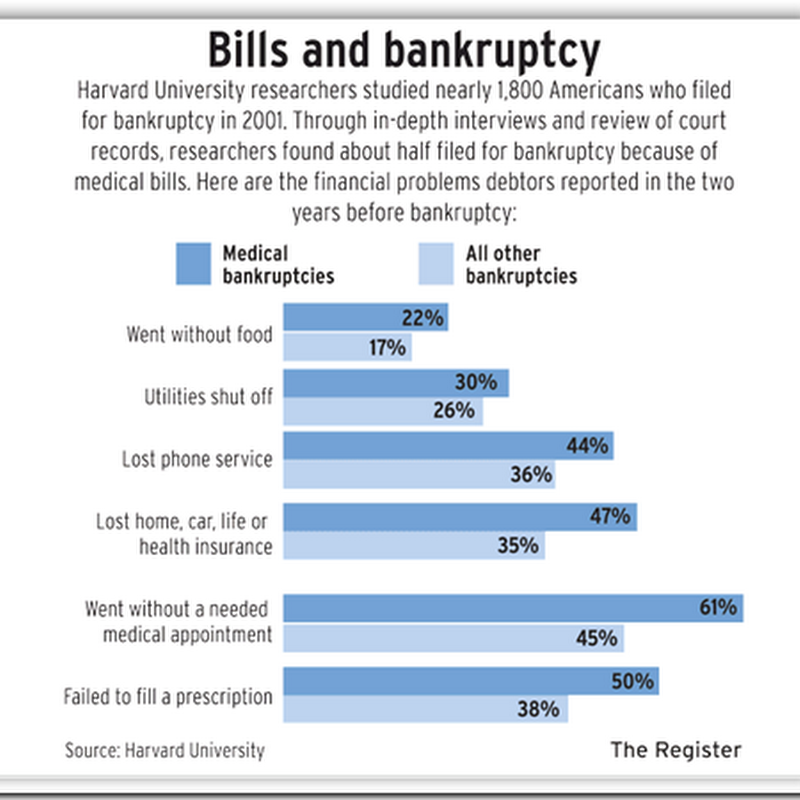
This almost reminds me of a menu in a restaurant that shows items like lobster, no price, just quoted at "market value".  The price of healthcare has no set pricing established and as mentioned earlier, some facilities can and do charge up to 4 or 10 imagetimes more than other facilities.  Confusing, yes!  

There was a bill that was downed in the legislature that would have included physicians to include their pricing too.  The only real defense a consumer has today, is to be sure and ask up front it appears, as prices vary a lot.  BD  

The consultation went like this: We chatted for a few minutes, then he held me at awkward angles several times and promptly diagnosed me with benign positional vertigo -- a tendency to get dizzy if my head is in a certain position.
This took 20 minutes. The doctor performed no fancy tests or procedures. He prescribed no medication.

So, was the treatment I received worth nearly $1,000, as the doctor apparently believed, or just a quarter of that amount, as Blue Cross had concluded? How can the provider and the insurer be so far apart in pricing a fairly routine medical service?

The upshot is that providers are overcharging insured patients because they have no other way of meeting total expenses, while insurers are paying significantly less than the billed amount because they know they're being hit up for unrelated costs.

Medical pricing makes the head spin - Los Angeles Times

The Changing Face of Research and Development with big Pharma

Many of the generic manufacturers started years back with knock off drugs to sell locally in India, but now the game is changing to where US Pharma is using some of the talent, which costs less than R and D individuals here in the states, to further develop existing work, in other words somewhat continue the work that has begun here as a lesser cost.

Filling the pipelines can be done with less cost, and perhaps more potential candidates being developed at one time might be an additional factor.  Also, as stated, four failures can come at the price of one here in the US, so the math is somewhat speaking for itself.  Some companies are asking their U.S. partners to toss that paperwork in the trash.

"We can't do it the Lilly way," Jasti says. "Innovation comes from freedom."

Many may have just though that all the technology would rest here in the US, but globalization of R and D is expanding as well as the manufacturing arm.  Many companies are doing similar or the same in China.  As Intellectual Property is exchanged and shared, this puts a whole new face on the future.  The US is still very strong with pharmacogenomics and building from the ground up, but once the basic rules are set, Pharma is finding alternative routes overseas to continue the process.  This is part of the reason we are starting to see layoffs and buyouts with R and D with many companies here in the US.  Without the restrictions and red tape in the US, development is slated to move at a much faster pace, but there's no mention of safety here, just a new group of clinical trials outside the US.  This all comes at a time when the FDA has embraced a more conservative mode of operation to ensure safety, so which is the correct business model?  I guess that might depend on whether cost is the only driving factor, or if the value of consumer safety is involved. 

This somewhat puts the FDA between a rock and a hard spot, amongst all other recent developments and restructuring, and one has to wonder a bit if the old methodologies of past practices are now working an additional hardship when it comes to having to play "catch up" at the FDA.  We have already heard many times that Congress has been working in a style that resembles the 50s and perhaps there's a bit of that past here too. 

On the other side of the coin, our global citizens may need to hold on to their hats as the R and D roller coaster begins, as mentioned above there will be room for 4 additional failures for the same cost, and with shorter times to collect and evaluate clinical information before releasing to clinical trials, there could be some real issues in time evolve, again reflective on what class of drug and what diseases are being treated.  BD 

Five Western companies have formed drug discovery partnerships with Jubilant, including Eli Lilly, Amgen and Forest Laboratories. Lilly is also partnering with Piramal, as is Merck. Every month, deals are signed with India's elite pharmaceutical companies. The goal is to take promising compounds discovered by the multinationals, run tests to weed out the weakest candidates, and develop some of the others into marketable drugs. Eventually the Indian partners also hope to rack up scientific breakthroughs that lead to entirely new medicines for diseases such as Alzheimer's, cancer, or diabetes.

Some Western companies are volunteering to share intellectual-property rights on new discoveries and even divvy up the profits. "It's a transformation of the R&D enterprise," says Robert W. Armstrong, Lilly's vice-president for global external research. "We have to think in a totally different mode."

The rush east, where five PhD chemists can be had for the cost of one in the West, entails risks. At a time when Pfizer , AstraZeneca, and others are slashing U.S. R&D jobs by the thousands, the buildup in Asia is bound to set off alarms that America is sacrificing another key industry through radical outsourcing. But if the strategy works, it could save the drug industry billions of dollars, bring down the prices of new drugs, and accelerate breakthroughs.  China has "extraordinary potential," says Eric J. Topol, former chief cardiologist at the Cleveland Clinic, who advises HUYA Bioscience, a drug licensing venture based in San Diego. China could yield "a flood of potentially important therapies. It's just a matter of time".

NTV - KHGI/KWNB/WSWS-CA - Where your news comes first. - Grand Island, Kearney, Hastings, Lincoln | U. S. Drugmakers Try Outsourcing Basic Research

Medicine is a Low Tech Business - Clinical Studies still done on paper too!

Hat's off to the Wall Street Journal for mentioning this.  Great topic and I'm going to rant and bring a few more details of this entire issue to light here.  As any readers of this blog know I am a tech person that work with medical professionals and others to bring this to light and my gosh it is not easy.  As this article indicates here, finally some results are going in on the computer.  If this article doesn't make a lot of sense, take a look at my profile and that will explain a bit as to why I took this on today.

Doctors that have faxes turn them off after 5:00 p.m., why so they don't have to pay for a "junk" fax, but we all know if you still need faxing, an Internet faxing service is the best.  One hospital I recently spoke to expressed this frustration on the time of day she had to fax as nothing could wait until when things slow down after 5:00 or so, as many turn off the faxes, amazing but true.  You would also be surprised to see some real typewriters still in use at some offices, but yes they are there.  This hospital has to fax as many of the physicians on staff don't have email addresses. 

Now, in my travels, I run into Pharma sales representatives, all equipped with some pretty darn nice tablet computers.  Why do the reps carry these, to capture a signature for samples for the most part. It is interesting though as I comment and enter into conversations with them perhaps trying to make them aware of what else they can do with a tablet, take notes, dictate with voice recognition, but they too are a hopeless cause.  They use a tablet for one thing and one thing only, to get that signature and think they just have a notebook.  Sad that that Pharma spends all this money to only have the representatives use the advanced features for one item only.  This conversation has happened many times over the last few years, they only do what is absolutely necessary and shut the door to making their life easier with other features the could use. 

Next bunch, the FDA, they too were writing studies up long hand up until not too long ago and I can reflect back on a somewhat sarcastic comment I made in February about helping the FDA with some inexpensive "Classmate" computers from Intel.  It is absolutely amazing what folks "don't" and "won't" work with.  So, now we have 2 entities still writing up studies and results in long hand, doctors wrote them up that way, FDA analyzes and wrote up a long hand report, so what's up with this!  Sounds like we have a 2 part issue here.

This year I attended the HIMMS convention, lots of folks pushing tablets, but was there anyone making use of a tablet to work the convention beside me, no, felt like the "Lone Ranger" out there, but you know what, I did homework ahead of time, had a file on the tablet of every vendor I wanted to speak with and was much more productive and covered a lot more ground.  Sometimes folks don't feel this is cool, but I was there to work and being cool was secondary on the list!!  One more note, the vendors I spoke with liked it!!  Lots of folks promoting tablets, but were they using the technology themselves to be more efficient, this sounds like one of those one sided affairs here.  In today's world you need to see products in action and working with real life situations. 

I have had hospital CEOs give me strange an discomforting looks when attending a meeting and I bring out my tablet to take notes, of course they all have yellow paper pads.  You can almost hear the words silently echoing in the room "Here's Lucifer with that tablet thing again".  Oh the looks of disgust are priceless from every avenue. 

Bottom line, anyone who takes notes can use a tablet, CEO, blogger, journalist, CIO, administrative assistant, research and development folks, and last but not least how about some folks compiling some clinical results!!  If you take a look at my profile on the site here you can see where I began as an avid Windows Mobile user over 10 years ago and I ran circles around my peers in sales, why, because I had my information with me and entered more while in meetings and discussions.

My big fear initially, will my clients and others like this, well after one or two funny looks and when they saw me in action with pulling a device out of my purse to recall and recap any information I needed at the time, they loved it.  I am talking about large accounts too, like Pfizer I used to call on.  We used to laugh as when I came in to the facility, what was I going to do for the day, sales or give them some new computer skills!  I had a great relationship with their facility in Irvine due to that fact and you know what, they kept giving me more business too, a nice success story there. 

I have sold tablet computers to doctors that have disappointed me too, as they lack the commitment on making it work for them.  I am indeed saddened to see a tablet, sitting on the desk collecting dust, but it happens.  If you have read this far and digested some of what I have covered above, just think what this does for healthcare and medical records, same principles, same dedication, just a subject that is much more important and critical, our health!!

Mobility and efficiency is an attitude, a good one at that. 

Next week I am a guest speaker for a Senior Microsoft users group as their request in southern California and they put together the subjects they want to know more about...don't hold your breath on this one, but the number one topic that they all want to learn more about is "how to use dictation".  Many have purchased new computers and have heard now that they can do this now, so with Vista on the new computers they purchased I'm going to try and make this happen for as many as possible. Ok, now if the seniors want part of this action, what's up with healthcare? 

I have written several posts on personal health records and have expressed the concerns to many, what are you going to do when a patient arrives with a record and wants to share some information...answer'..."dunno".  It's not a large item yet but when hospitals and doctors start seeing Kaiser Permanente patients who have all their records in the HealthVault and want to share, duh?  The folks who have no computers are really up a creek.  Those who have a computer, but no business email address, well just about as bad.  And what about Kaiser and the patient, they are going to just love getting a paper file back to enter the data or will it be on the patient to do this, either way, you have one big loser here. 

Granted this has not opened up yet for all patients in their system, but it's coming soon.  

For a little additional information, watch this video from Senator Coburn, one of 2 physicians in Congress today, he covers things very well, including the fact that Congress is still living in the 50s.  I'm always open for technology questions too so if I have confused or left ends not tied here, please get in touch and thanks for reading this ranting post today.  Hopefully someone will have listened along the way and I have covered some areas as to why much of healthcare is still low tech. 

In conclusion, technology and the right tools can sure make clinical trial reporting and analyzing a lot easier.  BD


We’ve gotten used to the idea that, despite all the fancy equipment, medicine is a low-tech business. Most doctors still use paper records, and it’s a rare patient who has created an electronic personal health record (though Google and Microsoft are working to change that).

Still, we were a bit surprised to learn today that even clinical trials for experimental drugs — cutting-edge science! — are still largely pen-and-paper affairs. Doctors and nurses fill out forms and send them off to drug companies or contract research organizations, which then enter the data into a computer.

Health Blog : Clinical Trials Technology Creeps Into the 21st Century

Microsoft deploying in-store customer-service reps - retail

When I was still doing retail training for Intel last year I somehow watched this beginning to evolve at a Fry's store and from the start it began to enjoy some real success, lots of software questions out there to be answered with consumers having more questions than ever, and the focus was software, a change from the hardware questions that used to prevail at the top.  A shift in paradigms evolving around us.  Of course my tablet was a big part of what I did as well, whether it involved signing employees in (paperless on the tablet) or showing a flash educational film while on the run and walking.  Many mobility questions and issues on the minds of consumers today.  BD

The world's largest software company plans to have 155 "Microsoft Gurus" in U.S. stores by the end of the year, and expand based on the project's success, Microsoft's general manager of corporate communications, Tom Pilla, said Friday. These gurus will be answering questions about PCs and Microsoft products, as well as giving demos of how the company's products work together - help designed to get them thinking Microsoft. "Think of that as borrowing a page from Nordstrom with that retail customer experience," Pilla said, referring to the upscale department store chain known for customer service.

As part of its new $300 million marketing campaign and image makeover, Microsoft Corp. plans to deploy its own customer-service representatives at retailers like Best Buy and Circuit City to help people with their PC purchases.

Microsoft deploying in-store customer-service reps

Concierge Physician vs. Blue Cross/Blue Shield

Open up a concierge practice, well this physician was canceled by one carrier.  Other carriers have done the same in other instances.  Read the full story for all the details.  Physicians all over are changing business models and when they select to charge and give the patient the time for the pursuit of better health care, well you can see what occurs.  If the contract imagerates were not so low, perhaps this would not be such a big issue, and the fact that it takes 20-40 visits a day with patients to keep the doors open as I see here all the time with physicians in southern California.  BD  

Dr. Steven Knope was recently interviewed by the Arizona Republic about his concierge medicine practice. When Blue Cross/Blue Shield Insurance (BC/BS) heard about it, they chose to terminate his contract.

BC/BS claimed that they were "looking out for their members", to make sure that physicians charge the agreed-upon rates to BC/BS patients. But Knope points out that when he sees his concierge patients, it's a matter of private contract between him and them. According to this article in the September 5, 2008 Arizona Republic:

http://medpolitics.com/content/Concierge-Physician-vs-Blue-CrossBlue-Shield

Cancer Research Blog Carnival - Stand Up To Cancer - A Combination of Bloggers Addressing Cancer and Cancer Research

 image For those of you who read the blog here and are not aware of what a "Carnival" is, it represents a collection of some of the top blogging posts in a period of time assembled in one place to review and read.  Today, Highlight Health is hosting the carnival and I am delighted that one of my earlier posts has been included, along with all of the other contributors!  So if you want to read some of the most current and updated cancer discussions and posts from the web, this is the place.  Take a minute and read through the entries as they are varied and each is an individual entry of it's own from various individuals from different walks of life and focus. 

Also, as a reminder once more, tonight is the night for the first "Stand Up to Cancer" unprecedented broadcast, 8 PM EST.

One other item I might mention from past posts on the blog is that you can also help contribute by lending your computer's idle time to science, called protein folding.  Here's a link where you can read more.  Basically what you are doing is donating the energy and resources of your computer to use to fold proteins, which is a big help in finding the right genomic combinations to help fight disease and more importantly, cancer.  Not to mention the fascination of watching the process as it runs as a screensaver and you get to see some really neat effects on your computer while helping science.  BD

"Welcome to the 13th edition of the Cancer Research Blog Carnival, the blog carnival devoted to cancer research. Everyone knows that cancer is a devastating disease. What many people don't know is that cancer kills more than 1,500 people a day; that's one person every minute. Tonight, Stand Up To Cancer, a one-hour fundraising event, will be simulcast on all three major U.S. networks. The goal of Stand Up To Cancer (SU2C) is to enable cutting-edge research aimed at finding a cure to all types of cancer and making cancer part of the national debate."

Cancer Research Blog Carnival #13 - Stand Up To Cancer | Highlight HEALTH

Industry Goes on Offense on FDA Medical Device Approvals

Will medical devices also have a longer and more focused process from the FDA in the future?  This group and the follow up report that the FDA step up some of the process that are involved with approving medical devices, similar to the the same footsteps being taken with new drug approvals. 

This is more related to implanted devices, which unlike a pill is more of a guest that comes for dinner, the device is moving in to become part of the family.  There could be even more positions for employment open up if it is determined that more field inspections, etc. are needed in the process.  BD 

A new report from the Advanced Medical Technology Association, or AdvaMed, aims to stress the safety and efficacy of the current Food and Drug Administration (FDA) process for approving medical devices to counter criticism of the process that could appear in an upcoming Government Accountability Office (GAO) report.

GAO reports released in January and May of this year have been highly critical of the FDA’s medical device approval processes. The reports found that the agency has not met requirements to inspect domestic plants manufacturing medical devices every two years, and that FDA also faces major challenges inspecting foreign establishments. The new GAO report is expected to be released in September.

The approval process — also known as a 510(k) — is used for products that the FDA determines to be a low or moderate risk to consumers and are similar to devices already approved. A 510(k) is significantly faster — usually around 90 days — than the pre-market approval process used for higher risk devices, which can take more than 180 days. Additionally, 510(k) approval is less expensive, as companies are not required to conduct clinical trials on the products.

CQ Politics | Industry Goes on Offense on Medical Device Approvals

Technorati Tags: ,,

Personal Health Records - Like having a Healthcare Escrow Account

When you stop and think about it, there are some real similarities here.  Anyone who has ever purchased property knows what an Escrow account is.  It is a third party used to to hold money and release it to fund a loan, until everything is verified and the loan process completes. 

Personal Health Records (PHR) can be viewed much in the same light when you stop and think about it.  There are more vendors coming on the market every day with services to help you.  My own personal opinion  is that I tend to lean towards companies like Google Health and the Microsoft HealthVault.  Why?  They are offering a place, a safe haven on a server to create a place to store records.  Sure they both have agreements with Healthcare vendors, who are making it easy for the consumer to have the information populated, which is huge, who has the time or the resources to do all of this yourself and have an accurate credible record?  image

It comes back around to who do you trust, thus some of the other offers out there could be a little less appealing when it comes down to trusting an insurance company for example that is directly involved in the payment of health claims.  Sure you can't denounce anyone for trying to come up with a solution, but what is best for you, as a consumer?  It is nice to have claim and healthcare information imported in to a health care records from the insurers, so one does have a more complete record, but where's the strength with the rest of the process? 

Google Health and Microsoft are actively adding more healthcare vendors to participate in the programs all the time.  Thus I tend to look at both programs as more of an "escrow" account, the 3rd party offering the service without a real conflict of interest or monetary gains at stake due to anything that would be included in my records.  One more item to think about as well is reputation, do people trust Google and Microsoft?  Take a look around the web and do some checking for yourself if you have questions and you will usually find some pretty good responses from both and neither one charges for the basic services of storing your health records. 

So that is how I see the personal health record, an escrow account where you have control over what is shared and with whom.  If you haven't taken a look around yet, there are links on this site to both services.  A PHR can be like having your own personal health escrow account.  BD 

Walgreen CEO: Bad Economy Hurts Prescriptions

This is not the first time this issue has been in the news in the last couple of years, but the dollars, or lack of dollars perhaps bring this to light once more, and once more it all comes back to money.

There are some interesting efforts going on to try and combat the problem, such as Aetna paying folks on a pilot program to imagetake their medications.  I don't know how something like this would work though if it were wide spread though, as soon as John finds out that Jerry gets paid for taking his medications, well John would want the opportunity too, the American way.  Curious, does Pharma think this is a good idea?  Just some rambling thoughts.

"1-in-10 chance of winning $10 every day they take their medication and a 1-in-100 chance of winning $100. Each day a text message will tell a subject whether he or she has won the lottery, or, if the dose wasn't taken, whether he or she would have won."

Employees are paying higher costs for both insurance and medications.  If you want to know what the retailers offer on generics for the $4.00 and other discounts, there are a few links on this page to help out.  If the money is not there, how do you encourage folks to take care of their health and take prescribed medications?  Catch 22?  BD

Of course, skipping pills for risk factors like blood pressure and cholesterol can increase the chances of really bad things like strokes and heart attacks. Rein said Walgreen pharmacists try to persuade patients to take their pills by asking them whether they want to be alive to see their children grow up. Pretty bleak.

http://blogs.wsj.com/health/2008/09/05/walgreen-ceo-bad-economy-hurts-prescriptions/

The Green, Green, Grass of home, a sort of different take on going green

Now we have lead in the artificial turf and a need to correct.  Well I might guess if the issue presses before sports season begins, a few nurseries might have a growing business here very soon.  Some fields are still made out of the "real thing".  BD

SACRAMENTO -- California's attorney general wants to put a new spin on the old admonition "Don't step on the grass!" The warning could read "Don't roll on the artificial turf" if Atty. Gen. Jerry Brown and local law enforcement officials prevail in a lawsuit filed late Tuesday against three top makers of the green plastic playing fields and grasslike indoor-outdoor carpeting.

Turf war: California sues artificial-grass makers over lead content - Los Angeles Times

Marketing of Medicare Prescription Drug Benefit Is a Mess, only one of many messes that exist today

I think we can take this one step further, and comment on the fact that marketing is a mess all over, not just limited to Medicare, which is a mess.  I base this on questions I get myself from seniors.  You can look at insurance in the same light.  The fact is we have built a marketing system that almost nobody understands, and I have issues there too, just like any other person on the web today. 

Insurance, one more hot spot.  The complexity of the many layers of how to qualify, which is the best drug, where have the clinical trials been successful, etc. and the list goes on and on.  The decision making process today for anyone is not as simple as we used to enjoy, just simply due to the amount of information made available.  Every day it seems I read about someone who has the "better" solution, but is it really better?  Most of the time, not really.  Perhaps it may have a couple points better than what I have relied on and have used, but then again with additional layers of information added, has the new grown to where it is beyond what I feel I need? 

We have an information overloaded system almost anywhere you turn today, yet everybody but nobody is in control.  I am not necessarily a fan of government control, especially with what we have today, government operating out of the 50s, if you will, that has not moved as fast as private enterprise in so many areas, but somewhere along the line somebody has to create some standards, and second yet, standards that everyone just might agree to work with.  If there were a better meshing of the minds between government and private industry, we might see some of this, and that would entail a true interest in this effort, and not the "lobbying" we see today, just folks that could sit down at the round table and for a short while, forget about the dollar for a bit and put the great minds of both sides together. 

Until we can maybe find the leadership individuals that might be able to accomplish this, we are stuck with what we have today, something nobody is happy with.  Sure there have been attempts here and there, but again, scattered and fragmented, as not only is private industry fragmented, so is the government, so we end up with the same, fragmented solutions that really are not going anywhere. 

Politics of late are a bit of a bore, again, working campaigns too, just like out of the 50s.  Don't get me wrong that the 50s are all bad as there are some real lessons learned from those times, but as a world and nation we have grown from where our past roots have been, but again, I see the same old thing, folks talking, thinking they have a plan, but really it is nowhere to be found as at this point words are just words. 

The folks with the data and knowledge how to use and manipulate data are the ones today with most influential opportunities to help and make sense of how to handle the layers and tremendous amounts of information that flows down the tubes today, but yet, where are they when it comes to finding leadership?  We still have folks who can do a wonderful job talking, but don't have any technical backgrounds to substantiate, back to the figureheads. 

So back to this year's elections here, there are some real nice folks out there running for office, but anyone with any real knowledge, hands on, no, just a bunch of nice folks that rely on what they are told from staff members, who many of which rely on the technical world too for their information.  Would have been nice to see some technical folks chosen perhaps as running mates, in other words, acknowledging what is going on today with information technology and the need to have someone top notch at or near the top. 

Smart leadership needs smart people, so until perhaps a time comes along to where this fact is embraced, we will continue to move in the same direction and perhaps a bit of a rut if you will.  Everybody, yet nobody in control and as technologies continue to evolve, we will still have the figureheads still out there just talking about it. 

In the meantime, politicians, government agencies will continue to be blind sided and investigations into what is going on will continue, as without some technical background, it takes a while to study and catch up, and in the meantime fragmentation and confusion rules, and as citizens we have to somehow figure out how to deal with it day to day and live our lives.  Medicare, insurance, and healthcare continue to fragment and we all suffer, but if you stop for a minute and take a look around, think about the groups and companies that are growing, great minds of great institutions, Mayo Clinic, Johns Hopkins, the Cleveland Clinic to name a few. 

This is not to say there are not great things going on with breakthroughs and today we are on the cutting edge of getting close and perhaps maybe even eliminating diseases, and to those folks there should be a high five by all means.  Too bad again, we don't have any of them in positions where they could really make a difference, as most people in the code and data end of things do really work with black and white, ones and zeros if you will. 

When you take apart the information systems and dig in, there's audit trails and usually an entire process documented as to how the entire data plan was not only created, but how it functions, and in this side of the world most have no problem working as teams, as it is well known today that there is no one hero with information technology, it is all teamwork, perhaps a culture where others on the outside could learn. 

Until such time to where information technology is advanced to center stage though, the system stands only to continue to grow in the current state and with each layer that is added, more techniques are required to "mine" and zero in on where one needs to be.  The paragraph below is a perfect example, the marketing material didn't meet the guidelines, who's guidelines one might say?  Where were they?  Were they accessible?  Were they realistic?  How old were the guidelines?  Who's running the shop?  Were there any pro-active actions that could have been taken up front instead of the failed results having to make the news? 

Maybe someday we might have some "smart" people at the top levels.  Part of the process comes back to us as citizens as well to educate our selves and create a demand and sense of urgency, until then, fragments and fragmented society will remain.  This is the opinion of the day and thanks to anyone who takes time to read; just a few words that came to mind today.  BD

Seniors who who have tried to wade through all the marketing brochures for Medicare prescription drug plans know how confusing they can be. As it turns out, those brochures do a pretty poor job of meeting the guidelines laid out by the feds. A report out yesterday from the inspector generals office in the Department of Health and Human Services found that 85% of marketing materials didn't meet guidelines set out by the Centers for Medicare and Medicaid Services. Whoops.

Health Blog : Marketing of Medicare Prescription Drug Benefit Is a Mess

Eli and Edythe Broad give $400M to biomedical research lab - Harvard and MIT

 In a related story about the Broad Institute, this was released today:  potential news and warnings of tumors that could become resistant to a common cancer drug when used upon a recurrence of a tumor.  There's a lot going on with genomic research at the center and this is just one example.  BD 

"Automated machines at three Genome Sequencing Centers, including the Broad Institute center led by Eric S. Lander, Broad Institute director, were set to work reading the DNA messages in the cancer cells' nuclei. Of the roughly 20,000 protein-coding genes in the tumor cells, 601 genes were selected by the GBM disease working group for detailed sequencing -- determining the order of chemical "letters" in the DNA -- and comparison. A second installment of genes is already being sequenced, and Chin and her group are working on additional gene lists for mutational analyses.

When such patients were treated with Temodar and subsequently had a recurrence of the tumor, it was very likely to become resistant to treatment because of "hypermutation" -- an increased rate of gene changes that led to the tumor's ability to evade the drugs.

"This could have immediate clinical applications," said Chin."

Eli and Edythe Broad are donating $400 million to the Broad Institute, a biomedical joint venture of Harvard University and the Massachusetts Institute of Technology. The Broads, who live in Los Angeles, originally put $200 million toward the creation of the institute in 2004. The institute was originally intended to serve as a 10-year experimental institute, but with the newest donation, will be converted into a permanent venture.

Eli and Edythe Broad give $400M to biomedical research lab - Los Angeles Business from bizjournals:

Technorati Tags: ,,

Kaiser Permanente will donate $5 million to Grady Memorial Hospital - more desperate hospitals

Good news as this hospital has been in financial trouble for a few years now and the two gifts listed below might be the savior, but to stay open, there are some major cost reductions.  They also received a 75 million dollar line of credit.  BD

The gift, to be announced at a press conference Monday, is the first of a planned $100 million, four-year, fundraising effort by Grady's new board. Kaiser did not return calls for comment Thursday evening. Earlier this year, Grady said it will receive a $200 million, multi-year bailout from the Robert W. Woodruff Foundation. Grady has received the first $50 million installment of that money which will pay for improvements to the hospitals aging information technology infrastructure, medical equipment and even hospital elevators, some of which date back to the 1950s.

Under the proposals OK’d at the meeting, Grady has eliminated retiree medical benefits to employees, except those younger than 50-years-old, as of Sept. 4, said Duane Ackerman, chair of the compensation committee.

“We felt (the 50-plus) group has less time to make adjustments relative to retiree benefits,” said Ackerman, former CEO of BellSouth Corp. “Therefore, we’re going to retain that plan for them.”

Kaiser Permanente will donate $5 million to Grady Memorial Hospital - Atlanta Business Chronicle:

Are Generic Drugs taking business away from big Pharma?

I was reading another blog, and realized Comedy Central now has their own site with videos and ran across this classic from the Today Show. 

With all the recent discussions on how big Pharma spends money and recent marketing techniques, here it is in all it's glory.  BD

http://www.thedailyshow.com/video/index.jhtml?videoId=117138&title=Dr.-Spin,-Medicine-Woman

Political Genes - Personalized voting?

Well will we be born a Republican or Democrat, and someday the genes can do the voting.  Seriously, another study looking at how complex the overall study can be.  Serotonin seems to play a role as well as dopamine, but there's more to it than just these 2 elements. image

This is a first in the world of research on genomics.  BD 

In the Journal of Politics this past July, he identified variations of two genes that might influence the decision to vote. Both are involved in regulating a brain chemical called serotonin, known to affect mood. Last week, at the annual meeting of the American Political Science Association in Boston, he presented research with colleagues at Harvard Medical School and Virginia Commonwealth University suggesting a link between variations of one gene affecting the neurochemical dopamine, which can help sensitize us to new experiences, and a tilt toward liberal political ideology.

"Voting is a complex social behavior," Dr. Fowler cautions. "We expect there to be many genetic variables that affect voting."

Now, Dr. Fowler and other researchers are looking for genes that may shape the personality traits of a liberal or conservative state of mind.  By eliminating four genes involved with oxytocin and estrogen, researchers at Rockefeller University in New York could make mice unable to tell friends from enemies.

Science Journal - WSJ.com

Garou, musician opening private hospital clinic in Canada

Perhaps this trend could continue here in the US, healthcare facilities could use some financial help.  BD 

Garou, the velvety piped crooner of sweet syrupy nothings, wants to open a private hospital clinic near the St Luc Hospital in downtown Montreal. He is a part owner of Medley, the cavernous venue across the street from the hospital, and has apparently figured out that he can make more money selling MRIs than he can selling tickets to Alcoholica, Quebec’s premier Metallica cover band. Who knew?

http://blog.macleans.ca/2008/09/04/theyll-give-a-hospital-to-anyone-these-days/

Microsoft....Jerry Seinfeld and Bill Gates - together at last

The first...called delicious...BD 

Will look forward to their first visit to the hospital together. 

Celebrity Prostate Exams Too Much Reality TV?

This does present a very good question, myself I have run tired of all the stuff on TV these days, but this is being done with a show that has a good cause, so I guess we shall all see if it is a fit.

The Internet is such a wealth of information as well, and through YouTube, you can find videos, educational videos, that will show and explain almost any medical procedure today, and yes the whole drawn out show is right there, but done professionally and dedicated to the education process, so if you have questions and want to see what is involved in some of these tests, do a search and you will find.  YouTube has become a very valuable resource for education and is not just limited to entertainment.  The FDA and pharmaceutical companies all have a vested interest here and have many videos listed.  BD 

I think a celebrity wanting to make known the fact that one has gone through such tests to help and warn others is a good thing, but how far do you go is the question here, but we shall all see how it plays out tomorrow night, and again, this is just my own personal opinion as I have dearly grown so very tired of some of what I see these days and I just prefer the focus to be what it supposed to be, to further healthcare knowledge and raise the money necessary for research and development.  Don't forget to watch tomorrow.  BD 

Forget strapping on a plastic wristband or plastering a ribbon sticker on his car. Actor Brad Garrett of "Everybody Loves Raymond" is going all the way to raise cancer awareness.

The inevitable humor, and "ick factor"of 6-foot-8-inch tall Garret getting a digital rectal exam turned off some doctors, and made others worry that it would turn men away from the exam.

Doctors who have to perform rectal exams know how emotionally disturbing the process can be for men and their partners, even if the exam is painless and short.

ABC News: Celebrity Prostate Exams Too Much Reality TV?

India Pharma Ranbaxy Fights FDA Charges

The battle continues on but once the FDA opens offices in India, perhaps that will help out being close to the source to ensure safety and compliance.  Meanwhile Ranbaxy is business as usual with continuing to submit new drugs and information to the FDA, and they are the 15th largest producer of drugs in the world, however the US and Europe account for over 60% of the business, so a tainted name is not good.

Now it appears Congress is a bit confused too over the investigation, why were the products still left on the market if there was a problem, good question anyone would want to know I think.  More growing pains for the FDA.  BD

For now, Ranbaxy continues to receive new approvals from the FDA for other drugs. For instance, it has negotiated 180-day exclusivity in the U.S. for generic versions of drugs that have a market size of more than $32 billion, including AstraZeneca's (AZN) Nexium. Singh says the company is making plans for what to do with its $800 million war chest and debt-free balance sheet, hinting at acquisitions both locally and internationally. "I clearly see the industry continuing to consolidate," he says. "We are just waiting for the transaction to close.&We expect to do something in the next year.

"Unfortunately," wrote the two members of the House Energy & Commerce Committee, "the FDA's alleged lack of action to remove these suspected products from the market requires this committee to review the pre-market approval inspections of all currently marketed Ranbaxy drugs, as well as any 'for cause' inspections, to determine if [the] FDA has expended the resources required to justify leaving these suspect drugs on the market."

India Pharma Ranbaxy Fights FDA Charges

Is there a doctor at the work place - on premise at work?

This is somewhat of a return from times in the past, but many companies are seeing it as a way to reduce costs and provide medical care to employees at work, not just emergency care, but regular physician care.

Yes there would be privacy concerns here too, as how much of this information could find it's way into the employer's hands too, since they are all wrapped up in contracts with the insurers from the other side of the coin.  One thing is has imageaccomplished is to make the physician accessible, next day appointments, regular check ups, pap smears, etc. to name a few.  The facilities fall under the same privacy laws as any other medical office, but again, there is still a concern here on what may be anonimized and used for reports and studies, as all it takes is one common identifier from each data base to make a connection and a match, thus the anonymous protection that is promoted so heavily may have real issues the minute a query is run, but no laws have been broken as long as a new data base was not created...still one of those gray areas in healthcare.  

The article states at at least 500 on premise employees is somewhat of a starting place to create a cost effective system for this to work.  Obviously it is lucrative enough for the retailer Walgreens to get in on the project with the creation of an entire entity that focuses on just this.  Also, one other participant mentioned is Johns Hopkins, which in recent past articles I discussed how some of the large medical centers are adding to their bottom line with branding and outside investments and subsidiaries and this appears to be one other methodology being used by large medical institutions. 

I guess this could be a real convenience for the busy analysts too on Wall Street to fit in time for their medical care.  BD 

Like so many other companies, Cardone Industries Inc. in Northeast Philadelphia was struggling with the cost of its workers' health care. Too many of its 4,000 employees, a melting pot of immigrants from dozens of countries, lacked primary-care doctors. Rather than deal with problems early, they'd wait until they were really sick, then head for emergency rooms, the priciest place to get health care. On top of that, a small but growing number of workers was turning down the company's health insurance plan because it was too expensive.

Johns Hopkins runs about 50 clinics, most of them staffed by nurse practitioners and physician assistants, at seven large national companies, including PepsiCo Inc. and Hughes Electronics Inc. "It's a great way to deliver medicine, particularly preventive medicine," said Edward Bernacki, a doctor who runs Hopkins' division of occupational medicine.  Pharmacy giant Walgreen Co. has a new division based in Conshohocken that is creating a web of health centers in its drugstores and at work sites. Clients include about 30 financial firms on Wall Street, Harrah's Entertainment Inc., Horizon Blue Cross Blue Shield of New Jersey, and Toyota Motor Corp. Beginning in October, the division will operate a 15,000-square-foot health center for Disney World employees.

The savings come, he said, from the specialty price cuts and from better primary care.

Companies offering on-site health care | Philadelphia Inquirer | 09/03/2008

International team reveals first prognosticator of survival in aggressive cancer

This is somewhat the first step in identifying the gene pRb2/p130, which has very good possibilities to help determine the most beneficial course of chemotherapy and/or radiation treatments following surgery, something every doctor and patient could value, more personalized medicine research and development at work and hopefully bring this type of diagnosis process to the office of the physician in time.  BD 

Clinicians have long sought a prognostic test for the disease, which can be highly aggressive and unpredictable, making it difficult to determine the most beneficial course of chemotherapy and/or radiation treatments following surgery. A prognostic indicator will help doctors determine which patients have a higher risk of recurrence of the disease and who might benefit from a more aggressive adjuvant therapy.

International team reveals first prognosticator of survival in aggressive cancer

Technorati Tags: ,

Prostate study seeks subjects to test Botox - London

Leave no stone unturned.  This study is being conducted in London and perhaps you can find more information from Allergan on their website for other locations.  This is not just another test or treatment for wrinkles.   More information available from the Allergan website here.  image BD

Are you a man, 50 or older, experiencing the symptoms of benign enlarged prostate? There's the bothersome feeling of having to urinate frequently, having a slow urine stream, never feeling like your bladder is completely empty and getting up frequently in the night to relieve yourself.If that's you -- and if you've never had treatment for those symptoms through surgery, laser or other interventions -- then St. Joseph's Health Care London wants you. London is one of five Canadian centers involved in a worldwide trial investigating the use of botox injections into the prostate gland to shrink it and relieve those symptoms.

London Free Press - Local News- Prostate study seeks subjects to test botox

How Long is my Knee or Hip Replacement Going to Last?

How long will that new knee or hip last and what failure or issues can be predicted?  There is a study looking at this issue right now.  We have all heard and seen the videos with squeaking hips, knees, etc. and some with by far worse issues.

Some fail overall, but not many, but the issue is still there.  Knee and hip surgeries have to be the most common types of surgery today, but like everything else, we need to know what is going in to our body and have some assurance that it will be there to work for us.  Nobody wants to revisit the surgery room for a replacement. "How many years do you have on that knee before it's time to replace it".  Recalls are not fun either when it comes to implanted medical devices, after all we are are cars.  image

Technology is at a state with such rapid improvements, that sometimes things are perhaps out there a little too fast before all the known adverse effects are known, just ask the FDA about that matter and I' sure they would have no end to a pool of information.  This is not unique to healthcare, it's every business, but healthcare is us and is still the human business so software, hardware, devices issues are what we all want to be aware of, so read up whenever you can!  BD 

It seems that newer medical techniques that are used in hip and knee replacements require revisions at a greater rate that older, established methods. British researchers report that one in about 75 people required repeat hip and knee replacements in the three years following the original procedure. The study was published in the journal PLoS Medicine.

Study: Newer Joint Replacements Require More Revisions

The Liv(R) Breast Self-Exam Aid Program - October is Breast Cancer Awareness Month

More information can be found here.  October is breast cancer awareness month.  As of today, the site states informationimage is coming soon so check back for any new announcements.  You will need to participate in the Curves coaching program for exercise if not already enrolled.  Current members will need to show proof of a recent mammogram for the kit.  BD 

Four-time Grammy winner Olivia Newton-John announces a partnership with Curves, the world's largest fitness franchise for women to launch an international campaign to distribute 1 million units of the Liv® Aid, a breast self-exam aid that assists women to exercise breast self-exams correctly. The initiative's goal is to empower and encourage women to take control of their bodies and breast health by launching a "first-of-its-kind" campaign beginning in October 2008, as part of "Breast Cancer Awareness Month," available exclusively through

Curves.

Olivia Newton-John Partners With Curves To Distribute The Liv(R) Breast Self-Exam Aid To 1 Million Women

Technorati Tags: ,,

How to Create a Blockbuster - Are there 50 ways?

Interesting correlation on how the move business and Pharma share similar business plans when it comes to producing a blockbuster drug.  R and D, yup, got high costs with both, unpredictable, yup, nobody knows until the release, budgets and flops, well it could be a toss up over which industry can claim more of those; however, the entertainment business has a bit more experience in the block buster business.  They do have an advantage in the fact that they only want the audience and do not have to go to step 2 to create the need for the use of a medication.image

That portion I remember back to my sales 101 days, there are different types of markets and sales techniques.  The movie business doesn't require the process of creating a need, thus it moves along a little faster and posts no threats or harm to our bodies.  All of this is going under change though as personalized medicine and the answers research is bringing to light will be giving us some new alternatives for the treatment plans of the future, so the entertainment business will continue with blockbusters, but healthcare will be facing a new blockbuster structure of it's own.  BD  

The importance of blockbusters has been challenged recently by Chris Anderson's long tail theory that you can make money in many creative industries by selling specialized products to niche markets identified via the Internet. For example, the new CEO of GlaxoSmithKline, the pharmaceuticals giant, likens the search for blockbusters to "finding a needle in a haystack when you need it." He also worries that a company is at risk if sales depend too much on one or two megabrands that could run into lawsuits from generic competitors or regulatory challenges.

How to Create a Blockbuster

Viagra - The Game?

Yes you heard it right, there's an online advertising spot that will grant access to the game, you can perhaps find it on Forbes imageand other online publications, and you also get to listen to "Viva Viagra" while you play.  So who's next in the Pharma game advertising loop?  Any guesses? 

Does this tend to somewhat emphasize that Viagra is more of a recreational drug?  Interesting when you go back to the roots of the drug when it was first being studied as a treatment for heart disease and high blood pressure, and how it evolved to take over the ED market.  You gotta be a real man here and ride the motorcycle too.  Perhaps if you don't score high enough, it's time to ask your doctor (grin).  BD

In the game, players are instructed, “You’re about to take your partner on a romantic getaway. Pick up a few things on the way.” Players must then guide a motorcycle rider down a desert road picking up gifts for a date and avoiding orange hazard cones. The gifts include roses, scented candles, gift boxes — and of course little, blue, diamond-shaped pills.

As the game progresses, players get points for running over gifts and are penalized for hitting the orange cones. As a stopwatch counts down the available gametime, Pfizer’s “Viva Viagra” theme song can be heard in the background. The desert and the song are a play on the “Viva Las Vegas” theme that Pfizer has borrowed for its campaign. Simultaneously, a man’s voice offers advice: “Don’t let erectile dysfunction slow you down … erectile dysfunction is a common issue so doctors talk to men about ED all the time,” and so on.

http://industry.bnet.com/pharma/1000196/pfizer-courting-more-controversy-with-viagra-advergaming/

MBI - Molecular Breast Imaging

The cost would be less than MRI imaging and so far is showing a better accuracy rate than mammograms, but it is not a replacement but rather a method for high risk women.  If the tests show better and more accurate results, the cost could be around $500.00 versus $1000.00 with an MRI, testing continuing at the Mayo Clinic.  Work is still in progress to reduce the amount of radiation exposure.  BD 

MILWAUKEE (AP) A radioactive tracer that lights up cancer hiding inside dense breasts showed promise in its first big test against mammograms, revealing more tumors and giving fewer false alarms, doctors reported Wednesday.

The experimental method, molecular breast imaging, or M.B.I., would not replace mammograms for women at average risk for cancer. But it might become an additional tool for higher-risk women with a lot of dense tissue that makes tumors hard to spot on mammograms, and at a lower cost than magnetic resonance imaging, or M.R.I. About one-fourth of women 40 and older have dense breasts.

The Susan G. Komen for the Cure foundation and Bristol-Myers Squibb, which makes the imaging agent used in the study, paid for the work.

Researchers See Promise in New Test for Tumors - NYTimes.com

Hat Tip:  InteractMD

Your New Home Is Happy's Hospital

This is a must read and very well done.  For anyone who has an aging parent, the quality of life that is left is something to think about and how much a person will or could go through, and be miserable and in additional pain until the day comes as well as the role the Hospitalist plays overseeing their care. 

These have to be some of toughest conversations around for all concerned.  BD 

I can't even imagine what it's like to be a lay person again, with regards to adult medicine. Doctors see things through doctor eyes. Patients and families see things through patient and family eyes. Quite often the two visions are not congruent. And often times, the situation is not helped by partially trained pseudo lay people telling families information that is simply not correct. Let me give you an example of a common patient of mine. This is not an exaggeration.

The Happy Hospitalist: Your New Home Is Happy's Hospital

Medical Quack at Reuters - Stand Up to Cancer - this Friday

Just a reminder that this Friday is the day, one hour, all television networks. BD

Stand Up To Cancer - Friday September 5, 2008 - 8:00 EST  POSTED: Sunday, August 31, 2008 FROM BLOG: The Medical Quack - Health Care blog, daily news and resources.

image

Entertainment Blog Posts | Reuters.com

Chronic Disease needs better tools

Better tools go beyond just medical records, as you can read here, they have one. One item of interest though was how the one patient was missing an attendance bonus for tending to his appointments during working hours, something wrong with this?   The cure for this was email. 

The problem is though for the MD, this is extra non compensated time, and hopefully some of the efforts being worked on today will allow for such compensation for the physicians soon, but this is just one tool.  Reading information from the web today is also a big part of the patient's role as this physician states, one 15 minute consult can't cover it all.  BD 

My office has invested heavily in an electronic medical record to track and monitor chronic conditions with little financial return.

Still, the system helped me notice that a patient's control of his diabetes had been slipping for a year. Repeating the mantra of diet and exercise wasn't getting us anywhere. He would promise to do better, yet the results never improved.

Adding more pills over the last year wasn't improving his blood sugar either. It was time for a radical lifestyle adjustment or the start of insulin. He wasn't happy about either option but reluctantly agreed to give insulin a go.

He has been coming into the office about four times a year. And his employer-based insurance was paying for his visits, but missing work to make appointments with me during normal business hours was costing him his attendance bonus and undermining my efforts to get tighter control of his diabetes.

The Doctor's Office - WSJ.com

Interview with Judy Estrin, author of a new book "Closing the Innovation Gap"

A great interview from Robert Scoble, sit down and watch when you have time to listen to all.  Does healthcare enter here, you bet.  Do we want the government to stay in the dark ages?  Maybe, as they might spy on us, but we don't mind Google and Microsoft doing it...does the government have the capacity today to drive changes?  What kind of conversations are we having today?  Intelligent, or as he states are we more focused on just discussion the sex life of a 17 year old, well unfortunately the latter seems to be what drives some of the media today, an in essence, who really cares, there are a few million 17 year old daughters out there each with their own sex life for goodness sakes. 

Timage he problems are deep enough and complex, so the simple solutions we would all like just may not exist, more teamwork between government and non profits.  The market is driving many short term solutions with investments, so as a whole, we may not be able to visualize the long term interests and effects.  "Closing the Innovation Gap" should look to be one big seller.  After listening to this interview, I was so impressed, first of all she spoke my language, or a lot of it, let me say.  I should clarify this, not my language really, but the same philosophies and someone not afraid to talk about it. 

We need mentors, be a good example for others, on Twitter, Friend Feed, etc.  She is realistic and addresses the fact that some of these solutions are over whelming, and yes it is, but search out and find your area of passion to create on small change.  Good words to live by and not really anything new in a sense, but something we just flat out lose focus on, due to the overwhelming deluge of information and work we do today. 

One good point, sometimes you can get fooled, and nobody knows this better than healthcare, whether on purpose or simply a series of events.  I think I need to read this book, very impressed with the "down to earth" comments and forecasting analytics I heard in this interview and all done with a cell phone.

Thanks to Robert for sharing, as we all should do.  BD 


"How about our nation’s policies toward innovation?....We’d rather talk about some 17-year-old’s sex life or download the latest shiny object from Google. Question: how did that shiny object get here?

So, yesterday I went and talked with one of the formost experts on innovation: Judy Estrin. She’s on the board of directors of Walt Disney and FedEx. She’s written a book on the topic, Closing the Innovation Gap.

Here’s the video shot with my cell phone of our 40-minute conversation about the topic. But, remember, you must not discuss this. It’s in the unwritten rules of politics this year. Instead, head over to Memeorandum and see what you are allowed to talk about. Today’s topic: whether the press is fair when dealing with Presidential Candidates

http://scobleizer.com/2008/09/03/the-political-topic-that-must-not-be-discussed-in-usa/

Loneliness undermines health as well as mental well-being - the disconnected bonding syndrome...

Time for the armchair psychological report:   I agree on one item here, that our society today has changed and it is NOT conducive to promoting emotion bonds between people as we have known in the past, and frankly this sucks!  Unfortunately it is what it is.

Well I can relate to this to a degree, having recognized some of this in myself a while back and work with bringing balance back to the fold.  It creeps up on you before you know it at times, and then you reach a point where you say, "wait a minute", been there, done that.  Then there is the other side of the coin where you have no connection to technology and those folks are also completely out of the loop too, so it comes back to balance. 

One item in particular though with all of this social change though is just frustration and anger.  I see that quite frequently sometimes as being a target.  You know this happens a lot today with being in the wrong emotional spot at the wrong time, with friends, co-workers lashing out at who just happens to be there at the time, makes for some really strained relationships and further deteriorates the emotional bonding we have all known.  I have a friend who has pretty much lost voice communication with his own daughter and last week we were talking about it. 

She always answers a text message, but refuses the face to face or voice communication and he's really pondering what to do and how to go about getting that back, could be a chore, but taking the first step and reaching out is the first step and there's no guarantee that will work either, but hey, keep at it as persistence some times pays off.  There might have been something that created this scenario too, and it could be a little of both, personal and the disconnected bonding society syndrome. 

imageIf we don't figure out how to "re-bond", then the feelings of loneliness could take over, and think about those you are bonding with if they exist, is it working for you or is it time to bring more in to the fold.  I have my time every day whereby I dedicate to the postings on the blog and my writing, which is quiet time, but after that is done, time to walk the dog, find some entertainment with those individuals I care for and even later, a glass of wine or a drink, to unwind. I think this book has some information and value we can all benefit from if we cans stand outside ourselves and look back inside.  BD

There are three core dimensions to feeling lonely intimate isolation, which comes from not having anyone in your life you feel affirms who you are; relational isolation, which comes from not having face-to-face contacts that are rewarding; and collective isolation, which comes from not feeling that you're part of a group or collective beyond individual existence," he said. It is not solitude or physical isolation itself, but rather the subjective sense of isolation that Cacioppo's work shows to be so profoundly disruptive. Yet, outward circumstances such as moving to a new community or losing an intimate partner can trigger loneliness.

The problem of social isolation will likely grow as conventional societal structures fade. The average household size is decreasing, and by 2010, 31 million Americans—roughly 10 percent of the population—will live alone. Sociologists also have found that people report significantly fewer close friends and confidants than those a generation ago.

"Lonely people feel a hunger," Cacioppo added. "The key is to realize that the solution lies not in being fed, but in cooking for and enjoying a meal with others."

The studies, reported in a new book, Loneliness: Human Nature and the Need for Social Connection, show that a sense of rejection or isolation disrupts not only abilities, will power and perseverance, but also key cellular processes deep within the human body.

Loneliness undermines health as well as mental well-being

Cow Patrol for the FDA? Is that burger or glass of milk a clone?

This goes back to everyone is in control, yet nobody is in control.  The one statement below says it all, technology is out of control, and this is just one example.  Do we really know if we are consuming products from cloned animals?  Can the FDA tell us this safe?  Nobody has the answers we seek.  With companies feeling the economic pinch, who knows what will come next, but be aware. image

The FDA has put out a request asking manufacturers not to utilize products from cloned animals, but it leaves out the cows, gives one more new meaning to "when the cows come in".  Some companies stated they would avoid using cloned animals, but how do we know for sure, we don't.  Is there any real danger? 

One more item for the busy FDA, Cow Patrol?  BD 

WASHINGTON (Reuters) - Food and milk from the offspring of cloned animals may have entered the U.S. food supply, the U.S. government said on Tuesday, but it would be impossible to know because there is no difference between cloned and conventional products.

"It worries me that this technology is out of control in so many ways," said Charles Margulis, a spokesman with the Center for Environmental Health. The possibility of offspring being in the food supply "is just another element of that," he said.

FDA and USDA have said it is impossible to differentiate between cloned animals, their offspring and conventionally bred animals, making it difficult to know if offspring are in the food supply.

ABC News: Clones' Offspring May Be in Food Supply: FDA

Technorati Tags: ,,,